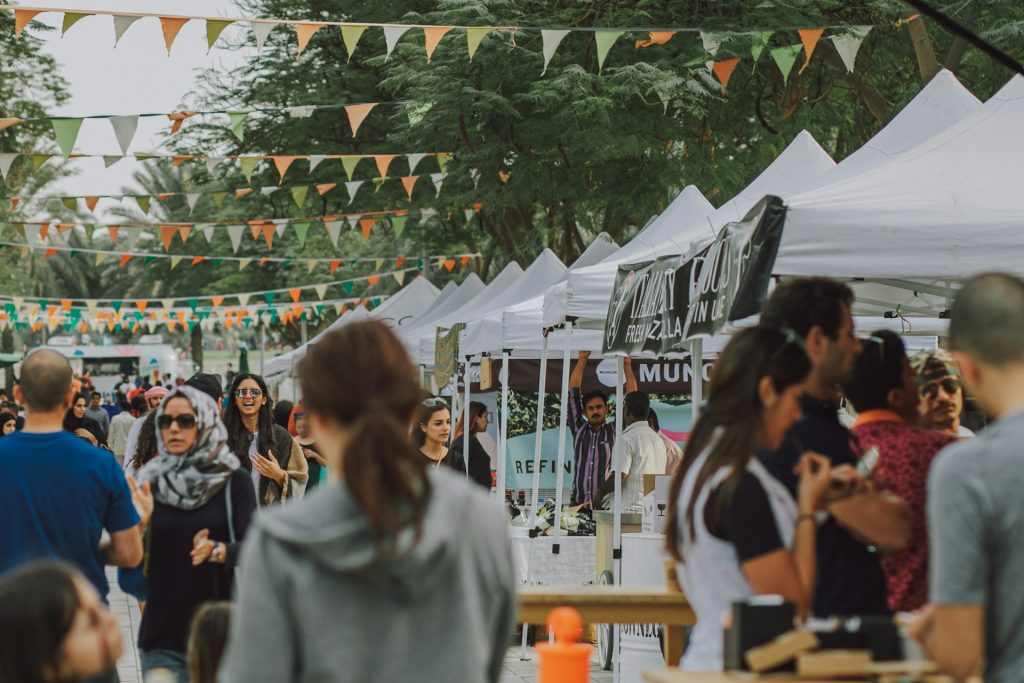
Event banners can do a lot more than announce a date and location. A strong banner can stop foot traffic, pull people into a booth, make a brand easier to remember, and create photo-worthy moments people want to share online. The challenge is that most events are visually crowded. Attendees are surrounded by signs, booths, screens, swag tables, food vendors, sponsor logos, and competing messages. That means your banner has to work quickly.
The best event banner ideas are simple, bold, and built around one clear goal. A banner should not try to explain everything about your business or event. It should create interest, guide action, and make people feel like stopping is worth their time. Whether you are planning a trade show, grand opening, fundraiser, community festival, conference, school event, or product launch, the right banner can help you stand out in a busy space.
Start With One Clear Message
Before choosing colors, materials, or layout, decide what the banner needs to accomplish. Is it meant to attract walk-up traffic? Promote a sale? Direct guests to registration? Highlight a sponsor? Encourage social media photos? Your goal should shape every design choice.
A common mistake is trying to fit too much information onto one banner. When people are walking by, they only have a few seconds to understand what they are seeing. A cluttered banner gets ignored because it takes too much effort to process.
A strong event banner usually includes:
- A short headline
- One main visual or design theme
- A clear call to action
- Essential details only
- Branding that supports the message without overwhelming it
Think of your banner as a visual handshake. It should introduce the experience quickly and make people want to learn more.
Use Bold Headlines That Create Curiosity
Your headline is the first thing most people will notice, so make it count. Instead of using a generic phrase like “Welcome to Our Booth,” try something that gives people a reason to look twice.
For example, a fitness brand might use “Ready to Beat Your Personal Best?” A bakery at a community event might use “Smell That? Fresh Cookies Are Here.” A software company at a trade show could use “Still Tracking Leads the Hard Way?”
Great headlines are specific, benefit-focused, and easy to read from a distance. They do not need to be clever for the sake of being clever. The goal is to make someone pause and think, “That sounds like it is for me.”
Strong headline approaches include:
- Asking a question
- Highlighting a common problem
- Promising a useful benefit
- Creating a sense of urgency
- Inviting people into an experience
Keep the wording short. A headline with five to eight words is often easier to absorb than a long sentence.
Make the Design Easy to Read From Far Away
An event banner has to be readable in real-world conditions. People may see it from across a room, while walking past, or while looking over a crowd. Tiny text, low contrast, and overly detailed graphics can make a banner ineffective even if the concept is good.
Use large fonts, strong contrast, and plenty of open space. Avoid placing important text over busy images unless the design includes a solid overlay that improves readability. Script fonts and decorative typefaces can look attractive up close, but they are often difficult to read from a distance.
A good rule is to prioritize hierarchy. The most important message should be the biggest. Supporting information should be smaller but still easy to scan. Contact details, QR codes, and fine print should not compete with the main message.
Also consider where the banner will be placed. A banner behind a table may have its lower half blocked by people, chairs, or products. A retractable banner in a hallway may need the most important information at eye level. A stage banner may need oversized text so it is visible to attendees in the back.
Add a Visual Hook People Remember
Visuals help people process information quickly. A banner with a memorable image, bold pattern, mascot, illustration, product shot, or unexpected color combination can stand out more than a text-heavy design.
The key is to choose a visual that supports the message. A real estate company might use a bright neighborhood map. A children’s event could use playful illustrated characters. A tech company might use a clean product interface or abstract design that feels modern. A restaurant could feature one irresistible menu item, photographed well.
Strong visual hooks can include:
- Oversized product images
- Before-and-after comparisons
- Custom illustrations
- Local landmarks
- Branded patterns
- Lifestyle photography
- Interactive graphics
- Step-and-repeat photo backdrops
Avoid generic stock photos that look like everyone else’s marketing. If the image could belong to any business, it probably will not help your banner get remembered.
Turn the Banner Into an Experience
Some of the best event banner ideas go beyond traditional signage. Instead of treating the banner as background decoration, make it part of the attendee experience.
A photo backdrop is a great example. People love taking pictures at events, especially when the backdrop looks polished, fun, or exclusive. Add a branded hashtag, event name, or visual theme that makes the photo worth sharing.
You can also design banners that invite participation. A nonprofit might create a pledge wall where attendees sign their names. A school event might use a banner with blank spaces for student messages. A product launch could include a “choose your favorite feature” voting area with stickers.
Interactive banner ideas include:
- Photo booth backdrops
- Hashtag walls
- Pledge or signature banners
- Spin-to-win game stations
- QR code scavenger hunts
- “Vote with a sticker” displays
- Milestone celebration walls
When a banner gives people something to do, it becomes more than signage. It becomes part of the event memory.
Use QR Codes With a Real Reason to Scan
QR codes can be useful, but only when the value is clear. A random QR code with no explanation rarely gets attention. Tell people exactly what they will get when they scan it.
Instead of writing “Scan Here,” try “Scan for 20% Off,” “Scan to Enter the Giveaway,” “Scan for the Event Schedule,” or “Scan to Book Your Free Demo.” The clearer the reward, the more likely people are to act.
Make sure the QR code is large enough, has enough contrast, and is placed where people can easily scan it. Test it before printing. Also, send visitors to a mobile-friendly page. If the landing page loads slowly or is difficult to use, the banner may get attention but fail to convert.
QR codes work especially well for:
- Giveaways
- Digital coupons
- Appointment booking
- Event schedules
- Product demos
- Email signups
- Menus
- Donation pages
- Social media follows
A QR code should never feel like an afterthought. It should connect directly to your event goal.
Match the Banner to the Event Setting
Different events call for different banner styles. A formal corporate conference may need sleek, minimal signage. A street fair may need bright colors and simple messaging. A charity run may need durable outdoor materials and high-energy visuals.
Think about the environment before finalizing your design. Indoor banners can use more detailed visuals because lighting and viewing distance are often controlled. Outdoor banners need stronger contrast, weather-resistant materials, and secure installation. Trade show banners should be designed to compete with neighboring booths while still looking professional.
Popular event banner types include:
- Retractable banners for booths and entrances
- Vinyl banners for outdoor visibility
- Step-and-repeat banners for photos and sponsors
- Mesh banners for fences and windy areas
- Table banners for registration or product displays
- Hanging banners for large venues
- Directional banners for wayfinding
The right format matters as much as the design. Even a beautiful banner can fail if it is too small, poorly placed, or made from the wrong material.
FAQ About Event Banner Ideas
What should an event banner include?
An event banner should include a clear headline, essential event details, strong branding, and a call to action. Keep the message simple so people can understand it quickly.
How do I make my event banner stand out?
Use bold contrast, large readable text, a memorable visual, and a message that speaks directly to your audience. Avoid clutter and make sure the main idea is obvious from a distance.
What size should an event banner be?
The best size depends on where the banner will be displayed. Retractable banners are common for booths, while larger vinyl banners work well outdoors or across wide spaces. Always consider viewing distance before choosing a size.
Are QR codes good for event banners?
Yes, QR codes can work well when they offer clear value. Use them for discounts, giveaways, schedules, booking forms, menus, or donation pages. Add a short instruction so attendees know why they should scan.
How many words should be on an event banner?
Fewer words are usually better. Aim for a short headline, minimal supporting text, and only the details people truly need. If the banner is meant to attract attention, keep it especially brief.
Place Banners Where They Can Do the Most Work
Even the best banner will not perform well if it is hidden behind a crowd or placed where people naturally look away. Placement should be part of the strategy from the beginning.
Put banners near decision points. These include entrances, registration tables, booth aisles, food lines, stage areas, checkout stations, and exits. These are places where attendees slow down, look around, or decide what to do next.
Directional banners should be placed before people get confused, not after. Promotional banners should be positioned where people have time to stop. Photo banners should be placed where there is enough room for groups to gather without blocking traffic.
Also consider sightlines. Walk the space before the event begins and view the banner from multiple angles. Check whether tables, people, plants, equipment, or lighting interfere with visibility. Small placement changes can make a big difference.
Keep Branding Consistent but Not Boring
Your banner should look like it belongs to your brand, but that does not mean it has to be predictable. Use your brand colors, fonts, logo, and voice in a way that fits the energy of the event.
For example, a professional services company can still use a bold question or striking graphic while staying polished. A playful brand can use humor, bright colors, and interactive elements without losing clarity. The goal is to be recognizable and interesting at the same time.
Brand consistency helps people connect the banner to your business after the event. If attendees take photos, pick up flyers, visit your website, or see follow-up ads later, the visual connection should feel familiar.
Final Tips for Event Banners That Get Noticed
Great event banners are built with intention. They are not just decorative pieces. They guide attention, support the attendee experience, and help people take action.
Before sending your banner to print, review it with these questions:
- Can someone understand the main message in three seconds?
- Is the text readable from the expected viewing distance?
- Does the design match the event environment?
- Is there one clear call to action?
- Are the colors, images, and fonts aligned with the brand?
- Is the banner placed where people will naturally see it?
- Does it give attendees a reason to stop, scan, ask, or take a photo?
The most effective event banner ideas combine smart messaging with strong visuals and practical placement. When your banner is easy to read, relevant to the audience, and designed around a specific action, it becomes more than a sign. It becomes a tool for attracting attention, starting conversations, and making your event more memorable.