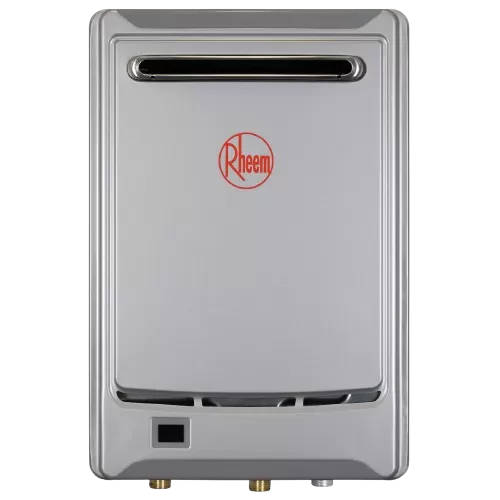
Hot water systems are one of the most heavily used appliances in any home, yet many homeowners do not think about replacing them until major problems begin affecting daily routines. Older systems may continue operating for years, but they often become less efficient, less reliable, and more expensive to run over time. Homeowners researching Rheem hot water system prices Sydney are often looking for solutions that provide better reliability, improved energy efficiency, and long-term value for their households.
Modern hot water systems have evolved significantly compared to older units installed decades ago. Advances in heating technology, energy efficiency, insulation, and system design now allow homeowners to enjoy more reliable hot water while potentially reducing household running costs. Upgrading to a newer system can improve comfort, reduce maintenance issues, and provide better performance suited to modern household demands.
Older Systems Often Become Less Efficient Over Time
Many older hot water systems continue functioning even as their efficiency gradually declines. Over time, heating components, storage tanks, and insulation materials naturally deteriorate through regular use and environmental exposure. As systems age, they often require more energy to maintain water temperatures while delivering less consistent performance. This can contribute to rising electricity or gas bills without homeowners immediately realising the hot water system may be the cause.
Older systems may also begin experiencing problems such as inconsistent water temperatures, slow reheating times, leaks, corrosion, or reduced hot water supply during peak usage periods. These issues often become more noticeable as household water demands increase.
Some common signs that an older hot water system may need upgrading include:
- Fluctuating water temperatures
- Rising energy costs
- Rust-coloured water
- Water leaks around the unit
- Reduced hot water availability
Recognising these warning signs early can help homeowners plan upgrades before sudden system failures occur.
Modern Systems Offer Improved Energy Efficiency
One of the biggest advantages of upgrading to a modern hot water system is improved energy efficiency. Newer systems are designed to heat water more effectively while reducing unnecessary energy consumption throughout daily operation. Modern systems often include better insulation, improved heating technology, and more advanced temperature control systems that help minimise energy waste. This can significantly reduce long-term operating costs, particularly for households with high daily hot water usage.
Atomic Hot Water Rheem Systems offers a range of Rheem hot water systems including electric storage systems, gas continuous flow models, and energy-efficient hot water solutions designed for different household requirements. Improved efficiency not only helps lower utility bills but can also reduce the environmental impact associated with household energy consumption over time.
Continuous Flow Systems Continue Growing in Popularity
Continuous flow hot water systems have become increasingly popular among Australian homeowners because they provide hot water only when needed rather than storing heated water continuously throughout the day. Unlike traditional storage tanks, continuous flow systems heat water instantly as it passes through the unit. This approach can reduce standby energy loss and improve overall efficiency because the system operates only during active water usage.
Many homeowners are upgrading to continuous flow systems because they offer several practical benefits, including:
- Endless hot water during operation
- Compact wall-mounted designs
- Lower ongoing energy usage
- Faster water heating performance
- Reduced storage space requirements
These systems are particularly attractive for households focused on energy efficiency, modern design, and improved hot water reliability.
Modern Systems Better Suit Larger Household Demands
Household water usage patterns have changed significantly over time. Larger families, multiple bathrooms, modern appliances, and higher daily water demands can place considerable pressure on older hot water systems that were not designed for current usage levels. Modern systems are available in a wider range of sizes and configurations, allowing homeowners to select options better suited to their specific household needs. Proper sizing helps ensure sufficient hot water availability while avoiding unnecessary energy consumption from oversized systems. Professional installers typically assess factors such as household occupancy, bathroom numbers, appliance usage, and simultaneous water demand before recommending an appropriate system size. Choosing the right capacity can significantly improve both efficiency and everyday comfort.
Upgraded Systems Often Require Less Maintenance
Older hot water systems often become more prone to breakdowns and maintenance issues as internal components wear down over time. Leaks, faulty thermostats, heating element failures, and corrosion are common issues affecting aging systems. Frequent repairs can quickly become costly and inconvenient, particularly when hot water failures occur unexpectedly. Upgrading to a newer system often reduces the likelihood of ongoing maintenance problems while improving long-term reliability.
Modern systems are generally designed using updated materials and manufacturing technologies that improve durability and operational performance. Many homeowners choose replacement before complete failure occurs in order to avoid emergency repairs and sudden loss of hot water.
Professional Installation Supports Long-Term Performance
The quality of installation plays a major role in how efficiently and safely a hot water system operates over time. Incorrect installation can affect system performance, energy usage, warranty coverage, and long-term reliability. Licensed professionals are trained to ensure systems are installed according to Australian standards and manufacturer specifications. This includes verifying proper gas or electrical connections, pressure settings, ventilation requirements, and system sizing. Professional installation also helps improve operational efficiency and ensures the system performs as intended from the beginning. Proper installation significantly increases the likelihood of achieving the full lifespan and reliability benefits of a modern hot water system.
Modern Systems Improve Everyday Comfort
Hot water plays an important role in daily comfort throughout the home. Showering, cooking, cleaning, laundry, and general household routines all depend on reliable and consistent hot water supply. Modern systems are often better equipped to maintain stable temperatures and handle simultaneous household demand without running out of hot water during peak usage periods. Improved heating performance and faster recovery times also contribute to a more comfortable daily experience. For many homeowners, upgrading an older system improves not only efficiency but also overall convenience and peace of mind. Reliable access to hot water becomes something people no longer need to think about or worry about unexpectedly failing.
Conclusion
Upgrading to a modern hot water system can provide significant benefits for homeowners looking to improve energy efficiency, reliability, and everyday comfort. Older systems often become less efficient and more expensive to maintain over time, while modern units are designed to better meet current household demands and performance expectations.
From continuous flow technology and improved energy efficiency to better reliability and reduced maintenance issues, modern hot water systems offer practical advantages that can positively affect both household comfort and long-term operating costs. For many homeowners, replacing an aging hot water system is not simply about upgrading an appliance. It is an investment in improved daily living, reduced energy consumption, and more dependable hot water performance for years to come.
