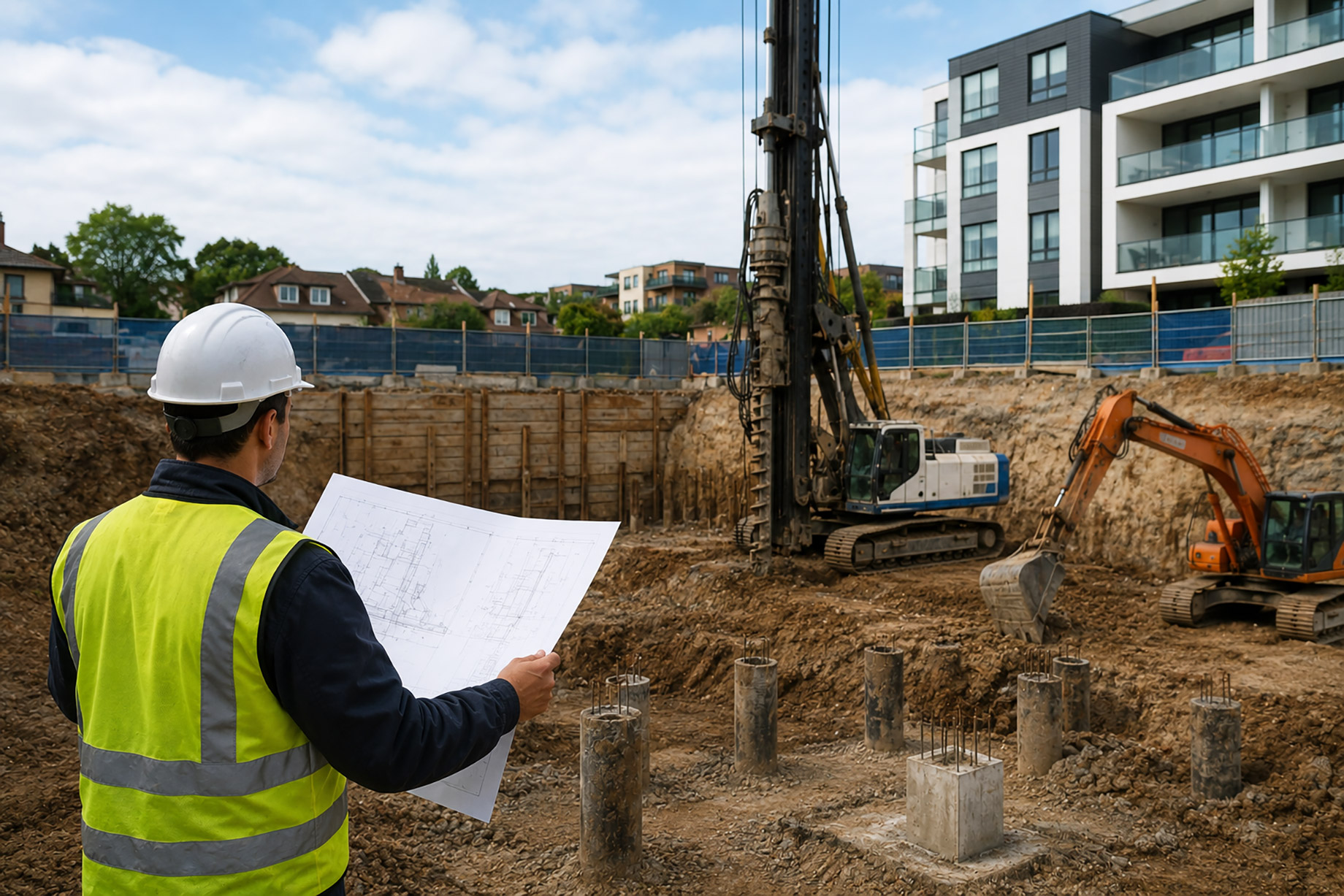
Every construction project begins with the ground beneath it. Regardless of the size, complexity, or purpose of a development, the stability and performance of the structure depend heavily on the conditions of the site itself. While two projects may appear similar on the surface, the underlying soil, geology, groundwater conditions, and surrounding environment can vary significantly. This is why experienced contractors such as Elite Piling understand the importance of site-specific ground engineering solutions that are tailored to the unique requirements of each project.
Ground engineering plays a critical role in ensuring structures are supported safely and efficiently. By assessing site conditions before construction begins, engineers and foundation specialists can identify potential challenges and develop solutions that minimise risk while supporting long-term structural performance.
No Two Construction Sites Are Exactly the Same
One of the primary reasons site-specific ground engineering is necessary is that every construction site presents different conditions. Soil composition, rock depth, groundwater levels, slope stability, and surrounding infrastructure can vary considerably even within the same suburb or development area. These variations influence how foundations are designed and constructed. A solution that works effectively on one site may be entirely unsuitable for another location with different ground conditions.
Before construction begins, engineers often assess factors such as:
- Soil type and bearing capacity
- Groundwater conditions
- Rock depth and composition
- Site access constraints
- Nearby structures and services
Understanding these conditions helps determine the most appropriate foundation and retention systems for the project.
Ground Conditions Directly Affect Foundation Design
The foundation system is responsible for transferring structural loads safely into the ground. If ground conditions are not properly assessed, foundations may experience movement, settlement, or other performance issues over time. Different soil types behave differently under load. Clay soils, sandy soils, fill material, and rock formations each present unique engineering considerations. Ground engineering investigations help determine how the site will respond to the proposed structure and what support systems may be required.
Selecting the correct foundation solution is particularly important for larger buildings, infrastructure projects, and developments located on challenging sites. Proper assessment helps ensure the foundation design aligns with actual site conditions rather than assumptions.
Site Investigations Help Identify Potential Risks
Comprehensive site investigations provide valuable information that supports safer and more efficient project planning. Identifying potential ground-related challenges early allows project teams to address issues before construction begins. Without adequate investigation, unexpected conditions may only become apparent during excavation or foundation works. These discoveries can lead to delays, design modifications, additional costs, and construction complications.
Ground investigations may reveal concerns such as:
- Unstable or weak soil layers
- High groundwater levels
- Existing underground structures
- Contaminated fill material
- Variable subsurface conditions
Early identification allows engineers to develop solutions that reduce project risks and improve construction outcomes.
Different Projects Require Different Engineering Solutions
Ground engineering solutions are rarely one-size-fits-all. The requirements for a residential home, commercial building, basement excavation, retaining structure, or infrastructure project can differ significantly. Project size, load requirements, site constraints, and development objectives all influence the engineering approach selected. Ground conditions may also dictate whether piling, retention systems, excavation support, or alternative foundation methods are required.
Elite Piling provides piling, micro piling, CFA piling, ground retention, and foundation solutions for residential, commercial, and infrastructure projects across Sydney. Tailoring solutions to the specific site and project requirements helps improve efficiency while supporting long-term structural stability.
Ground Retention Systems Support Safe Construction
Many construction projects involve excavation works that require temporary or permanent support systems. Ground retention solutions help stabilise surrounding soil and protect adjacent structures during construction activities. Projects involving basements, deep excavations, sloping sites, or confined urban environments often require specialised retention systems to maintain site safety and minimise movement in surrounding areas.
Common retention considerations may include:
- Excavation depth requirements
- Proximity to neighbouring properties
- Groundwater management
- Soil stability conditions
- Site access limitations
Appropriate retention design helps support safe working conditions while protecting nearby infrastructure throughout the construction process.
Urban Development Creates Additional Challenges
Construction projects in established urban areas often present more complex ground engineering challenges than greenfield developments. Existing buildings, underground services, roads, and property boundaries can all influence foundation and excavation design. In densely developed environments, engineers must carefully consider how construction activities may affect surrounding structures. Ground movement, vibration, and excavation stability become important considerations during planning and execution.
Site-specific engineering helps ensure that foundation and retention systems are designed to accommodate these constraints while minimising disruption to neighbouring properties and infrastructure. As cities continue growing and redevelopment becomes more common, the importance of tailored ground engineering solutions continues to increase.
Early Planning Improves Project Efficiency
Ground engineering is most effective when incorporated into project planning from the earliest stages of development. Early assessment allows project teams to make informed decisions regarding foundation design, construction methods, timelines, and budgeting.
When site conditions are properly understood before construction begins, there is often greater opportunity to optimise designs and reduce unexpected complications. This proactive approach helps improve coordination between engineers, builders, contractors, and project stakeholders. Investing in thorough planning and investigation early in the project lifecycle often contributes to smoother construction processes and more predictable outcomes throughout the build.
Conclusion
Site-specific ground engineering solutions are essential because every construction project presents unique conditions and challenges beneath the surface. Soil composition, groundwater levels, site constraints, and surrounding infrastructure all influence how foundations and support systems should be designed and constructed.
Through detailed investigation, careful planning, and tailored engineering approaches, project teams can identify potential risks and develop solutions that support long-term structural performance. Whether the project involves residential construction, commercial development, infrastructure works, or complex urban excavation, understanding the ground conditions remains a critical part of achieving successful outcomes. As construction projects continue becoming more sophisticated and site conditions increasingly complex, site-specific ground engineering will remain a fundamental component of safe, efficient, and reliable construction practices.
