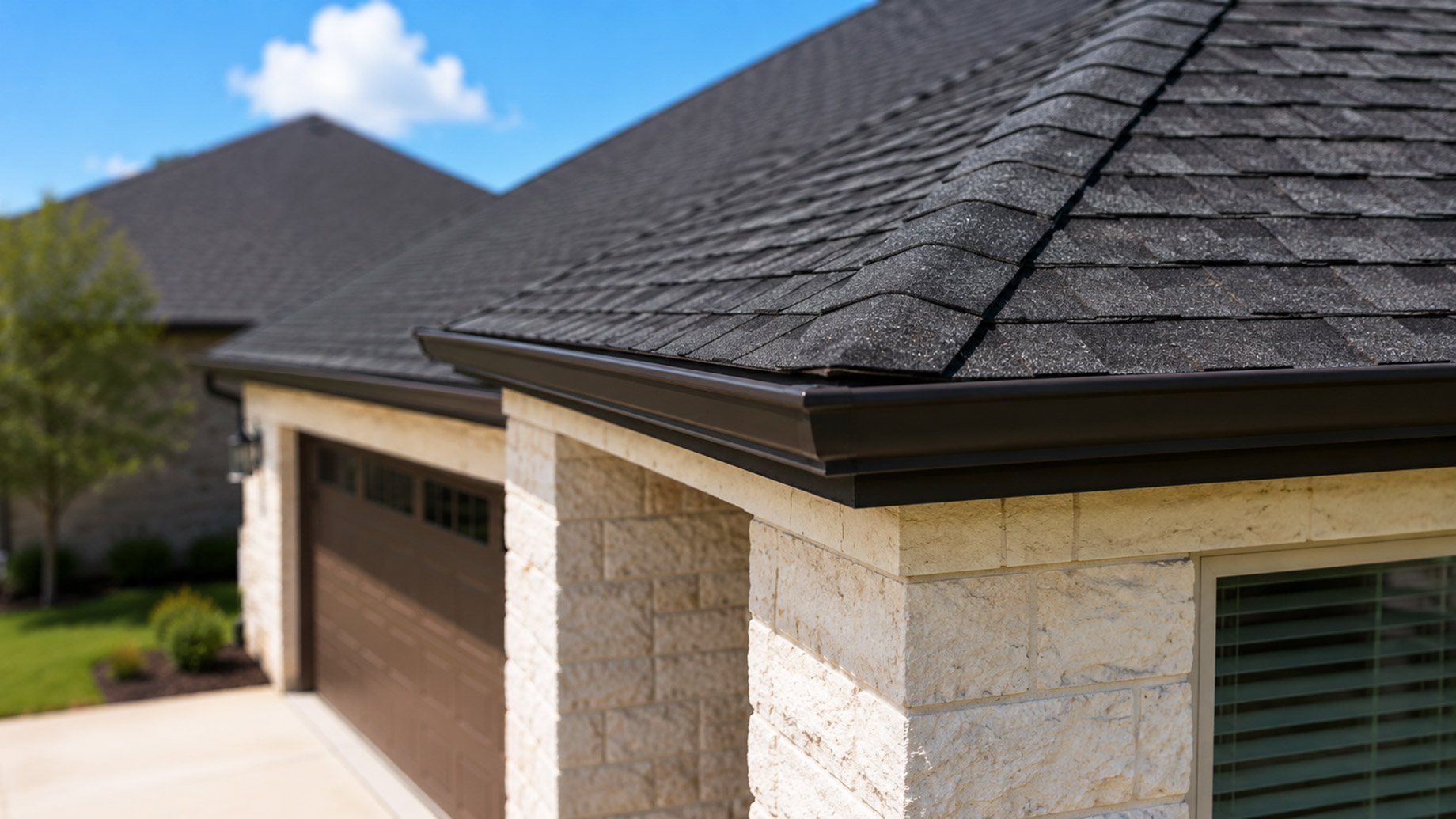
Texas homeowners need roofing systems that can handle heat, hail, high winds, heavy rain, and sudden storm conditions. From North Texas and Central Texas to the Gulf Coast, Hill Country, and West Texas, roofs face different regional risks, but the basic need is the same: reliable protection from severe weather and long-term wear.
A roof is one of the most important systems in any property. It helps prevent water intrusion, protects insulation and framing, supports energy efficiency, improves curb appeal, and helps preserve home value. When roof issues are ignored, small problems can become expensive repairs involving leaks, damaged decking, stained ceilings, and interior moisture damage.
Why Roofing Matters in Texas
Texas weather can be demanding. Long periods of sun and heat can age shingles, dry out materials, and weaken protective surfaces. Severe thunderstorms can bring hail, damaging wind, and heavy rain. In coastal areas, tropical systems and wind-driven rain can place additional pressure on roofs, flashing, gutters, and drainage systems.
The Texas Department of Insurance describes the roof as a home’s first line of defense against severe weather. This matters when buying insurance, filing a claim, or deciding whether to repair or replace a roof.
Roof damage is not always visible from the ground. Hail can bruise shingles, loosen granules, dent metal components, and reduce the roof’s useful life without causing an immediate leak. Wind can lift shingles or damage roof edges, creating weak points where moisture may later enter.
Common Roofing Services in Texas
Roofing needs vary depending on the home’s age, roofing material, storm exposure, maintenance history, and local climate. Some homeowners may only need a minor repair, while others may need full roof replacement after severe weather or years of wear.
Common roofing services include:
- Roof inspections after hail, wind, or heavy rain
- Shingle repair and replacement
- Leak detection and repair
- Flashing repair around vents, chimneys, skylights, and roof edges
- Gutter and drainage assessment
- Storm damage documentation
- Roof ventilation review
- Full roof replacement
A roof inspection is especially useful after major storms. A roof may appear intact while still having hidden damage that shortens its service life or increases the risk of future leaks.
Roof Repair vs. Roof Replacement
Not every roofing issue requires full replacement. Repair may be enough when damage is limited to one area, such as a few missing shingles, a small flashing problem, or an isolated leak.
Replacement may be more practical when the roof is older, has widespread granule loss, recurring leaks, storm damage across multiple slopes, or deteriorated materials. In those cases, repeated repairs can become less effective and more expensive over time.
Working with experienced roofing contractors in Texas can help homeowners evaluate roof condition, compare repair and replacement options, and choose a practical solution based on the property’s needs.
Permits, Insurance, and Contractor Due Diligence
Texas does not currently require a statewide roofing contractor license through the Texas Department of Licensing and Regulation. The Roofing Contractors Association of Texas notes that TDLR does not administer licensure for roofing contractors, which makes homeowner due diligence especially important.
Permit requirements can also vary by city. For example, Grand Prairie states that a residential reroof permit is required for roof replacement, recovering, or repair, while Richardson requires a permit for roof replacement, recovering, or repair exceeding 25% of the total roof area. Dallas notes that replacing large areas of a roof or an entire roof requires a reroof permit.
Before approving roofing work, homeowners should ask for written estimates, proof of insurance, warranty details, references, permit handling, material specifications, cleanup procedures, and a clear project timeline. For storm-related claims, homeowners should document visible damage, review their policy, and speak with their insurance company before making major decisions.
Protecting Long-Term Home Value
A roof has a direct effect on home value. A clean, properly installed, and well-maintained roof improves curb appeal and gives future buyers greater confidence in the property. For luxury homes and high-value residences, roof condition is especially important because exterior maintenance strongly affects the overall impression of care.
Homeowners can protect long-term value by scheduling inspections after major storms, cleaning gutters, trimming branches near the roofline, addressing leaks quickly, and keeping records of permits, warranties, inspections, insurance documents, and completed roofing work.
Final Thoughts
Roofing contractors in Texas play an important role in helping homeowners protect their properties from heat, hail, wind, rain, and storm-related damage. Because Texas does not have a statewide roofing contractor license, homeowners should be especially careful about contractor selection, documentation, insurance, and local permit requirements.
By scheduling inspections, addressing damage early, and choosing qualified professionals, homeowners can reduce repair risks and protect one of the most important parts of the property. A strong roof supports safety, comfort, curb appeal, and long-term home value from the top down.
