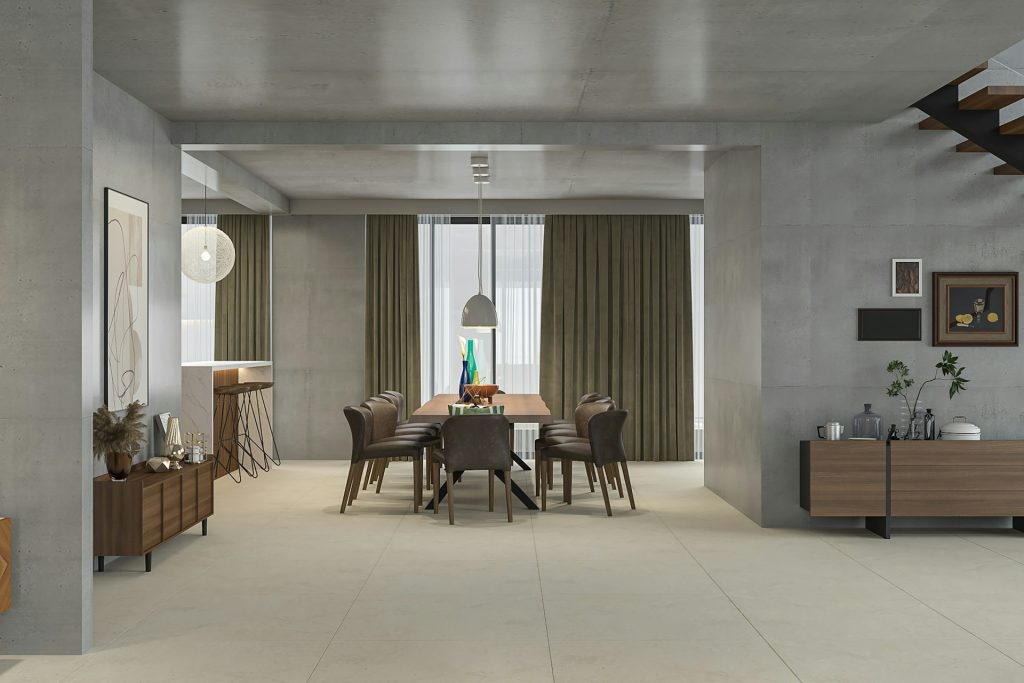
Quick Answer: Selecting the right flooring in San Diego depends on each room’s specific function, foot traffic, and moisture exposure. San Diego’s coastal humidity, intense sunlight, and indoor-outdoor lifestyle mean no single material works everywhere. A room-by-room approach ensures every space gets flooring that performs well, looks great, and holds its value long-term.
San Diego homeowners often make one critical error when renovating: they choose one flooring material for the entire home. While visual consistency matters, each room in a San Diego home presents unique demands—especially when it comes to flooring San Diego homes require for durability and performance. The kitchen faces moisture and dropped objects. The bedroom prioritizes comfort. The entryway battles sand, salt, and heavy foot traffic daily. This guide helps you match the right flooring to every room — confidently and practically.
Living Room: Where Aesthetics and Durability Must Balance
The living room is your home’s showcase — it needs to look premium while surviving daily family life.
Best Choices for San Diego Living Rooms
Engineered Hardwood delivers authentic wood warmth with better humidity resistance than solid hardwood — ideal for coastal San Diego neighborhoods like La Jolla, Coronado, and Del Mar where temperature fluctuations are moderate but consistent.
Luxury Vinyl Plank (LVP) suits active households with pets or children. Today’s premium LVP is virtually indistinguishable from real wood and handles San Diego’s indoor-outdoor foot traffic without showing wear.
What to Avoid
Light-colored carpet in open-plan living areas near beach access points. Sand and salt embed deeply and shorten carpet lifespan significantly in coastal homes.
Kitchen: Waterproof Performance Is Non-Negotiable
San Diego kitchens face daily spills, humidity from cooking, and constant foot traffic. This is not the room to compromise on moisture resistance.
Best Choices for San Diego Kitchens
Porcelain Tile remains the gold standard — virtually indestructible, fully waterproof, and easy to sanitize. Large-format tiles (24×24 inches or larger) are the dominant 2026 trend, creating seamless visual flow with fewer grout lines to maintain.
LVP with 20-mil+ wear layer offers a warmer underfoot feel than tile while still delivering complete waterproofing. Ideal for homeowners who want wood aesthetics throughout a connected kitchen-living space.
What to Avoid
Laminate in kitchens. Despite improvements, laminate’s core remains vulnerable to standing water — a realistic risk in any active San Diego kitchen.
Bathroom: Zero Moisture Tolerance Required
Bathrooms demand the most moisture-resistant flooring available. No exceptions.
Best Choices for San Diego Bathrooms
Porcelain or Ceramic Tile is the definitive answer for San Diego bathrooms. Smaller mosaic tiles (12×12 or below) work well in shower floors where slip resistance matters. Larger format tiles suit main bathroom floors for a clean, modern aesthetic.
LVP works in powder rooms and half-baths with lower direct water exposure. For full bathrooms with showers and tubs, tile remains the safer long-term investment.
What to Avoid
Engineered hardwood and laminate in full bathrooms. Even moisture-resistant varieties eventually fail under consistent bathroom humidity levels.
Bedroom: Comfort and Acoustic Quality Take Priority
Bedrooms serve a different purpose than high-traffic areas — comfort, warmth, and acoustic softness matter more than durability here.
Best Choices for San Diego Bedrooms
Carpet remains the top choice for San Diego bedrooms in 2026. Low-pile, stain-resistant options handle everyday use comfortably. Carpet also reduces noise transmission between floors — valuable in San Diego’s multi-story homes and condos.
Engineered Hardwood suits homeowners who prefer hard flooring throughout. Pair it with a quality area rug to restore the acoustic comfort and warmth that carpet provides naturally.
What to Avoid
Porcelain tile in bedrooms without radiant heating. San Diego mornings can be cool, and cold tile underfoot in a bedroom is a comfort compromise most homeowners regret.
Entryway and Hallway: Maximum Durability Comes First
San Diego entryways face a unique challenge — they’re the transition point between outdoor elements and indoor living. Sand, salt air residue, moisture, and heavy foot traffic converge in this small space daily.
Best Choices for San Diego Entryways
Porcelain Tile handles entryway abuse better than any other material. It cleans easily, resists scratching from grit and sand, and withstands the moisture that San Diego’s marine layer brings through open doors.
LVP with a commercial-grade wear layer (20-mil+) is a strong alternative that maintains visual flow from the entryway into adjacent living spaces without the coldness of tile.
According to the National Wood Flooring Association, high-traffic areas like entryways and kitchens are among the most common zones where flooring failures occur in residential properties — making material selection in these spaces especially important.
Outdoor-Adjacent Spaces: Patios, Sunrooms, and Laundry Rooms
San Diego’s indoor-outdoor lifestyle creates spaces that blur the line between interior and exterior — sunrooms, covered patios, laundry rooms, and mudrooms all need flooring that handles real exposure.
Floor Store & Design Center specializes in guiding San Diego homeowners through exactly these transitional spaces — recommending materials tested for UV resistance, thermal expansion, and moisture cycling that standard interior flooring cannot handle.
Best Choices
- Outdoor-rated porcelain tile for covered patios and sunrooms
- Commercial LVP for laundry rooms and mudrooms
- Sealed concrete or stone-look tile for true indoor-outdoor flow
FAQ: Flooring San Diego
Can I use the same flooring throughout my entire San Diego home? Visually yes, practically it depends. LVP is the one material that performs acceptably across nearly all rooms — living areas, kitchens, bathrooms, and hallways. However, bedrooms benefit from carpet’s comfort and acoustics, and high-moisture bathrooms are always safer with porcelain tile regardless of what runs through the rest of the home.
What flooring adds the most resale value in San Diego? Engineered hardwood and large-format porcelain tile consistently score highest with San Diego real estate agents for resale appeal. LVP adds value through practicality and modern aesthetics. Carpet rarely adds resale value and sometimes detracts from it in living areas, though it remains neutral in bedrooms.
How do I maintain flooring in a San Diego beach home? Place high-quality entry mats at all exterior doors to trap sand and salt before it reaches your floors. Clean LVP and tile with pH-neutral cleaners — avoid vinegar-based solutions which dull finishes over time. For engineered hardwood, control indoor humidity levels between 35–55% using ventilation or dehumidification as needed.
Is underfloor heating worth it in San Diego? For tile-floored bathrooms and bedrooms, yes. San Diego winters are mild but mornings can be cold enough to make tile uncomfortable without radiant heat. Electric mat systems are relatively affordable to install during a renovation and significantly improve daily comfort in tile-heavy spaces.
How soon can I walk on newly installed flooring in San Diego? LVP and engineered hardwood floating floors are walkable immediately after installation. Glued-down materials need 24 hours. Tile requires 24–48 hours for mortar to cure before light foot traffic, and 72 hours before furniture is moved back. Your installer should provide specific guidance based on the adhesive and material used.
TL; DR
- Match material to room function — no single flooring type performs optimally in every space.
- Kitchens, bathrooms, and entryways demand waterproof materials; tile and LVP dominate these zones in San Diego.
- Bedrooms prioritize comfort — carpet or engineered hardwood with area rugs outperforms hard tile here.
- Entryways take the most abuse in San Diego homes — invest in your highest-durability material at the front door first.