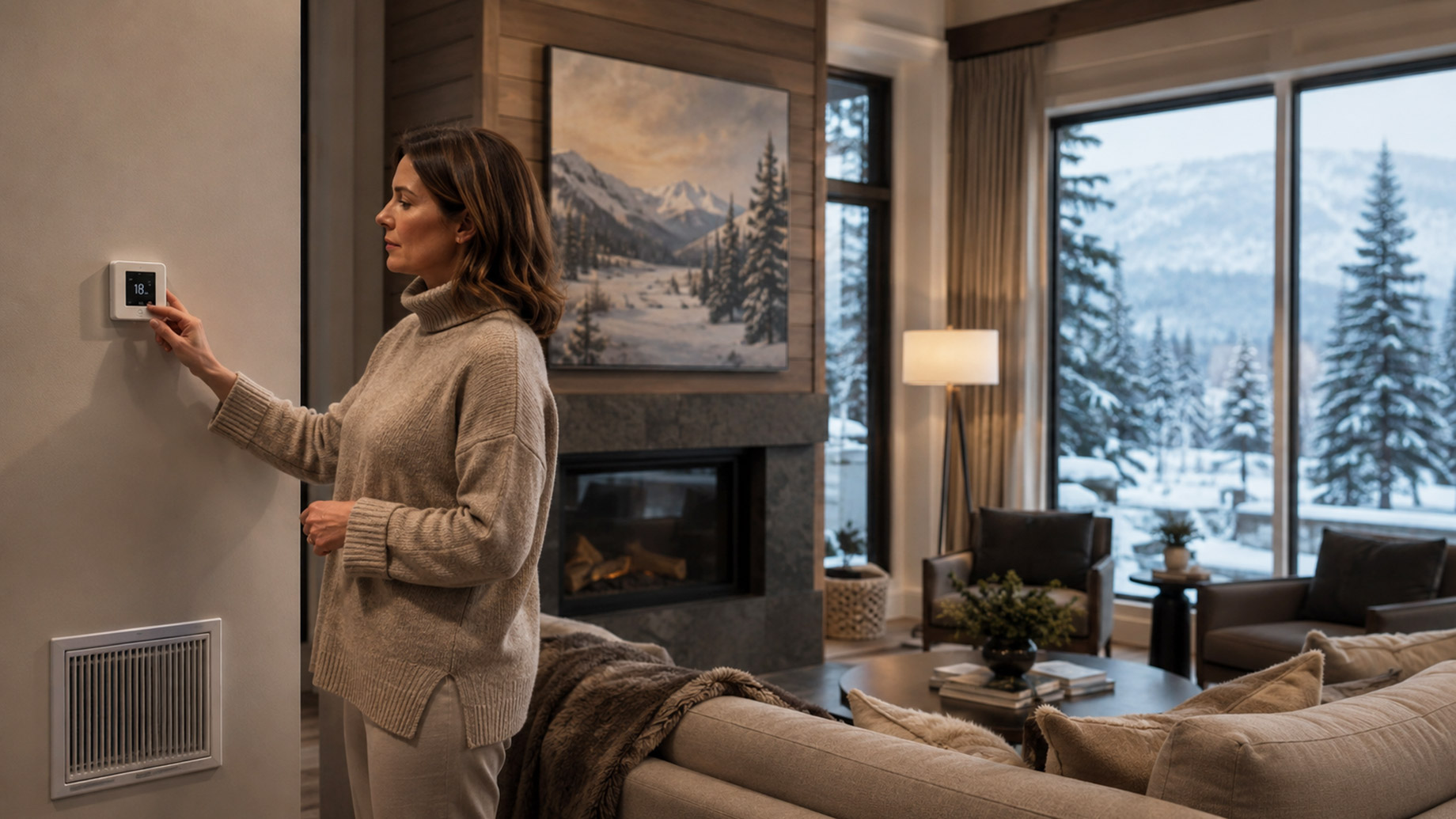
When the temperature plummets, your home should remain a warm, comfortable refuge. Unfortunately, extreme cold can quickly expose hidden weaknesses in your HVAC systems. Dealing with the common heating problems homeowners face during Alberta winters is a frustrating reality for many. From unexpected furnace breakdowns to skyrocketing energy bills, sub-zero temperatures put maximum stress on your equipment.
In this guide, you will learn why these seasonal challenges occur and how to keep your home consistently warm. We will cover the specific issues that threaten your indoor comfort, explain what causes them, and provide actionable tips for winter heating maintenance so you can avoid waking up in a freezing house.
Why Alberta Winters Place Extra Strain on Heating Systems
Alberta is famous for its harsh, unforgiving winters. When temperatures drop to -30°C or lower, your home heating systems have to work continuously just to maintain a baseline level of indoor comfort. This relentless operation places massive mechanical strain on every moving part inside your furnace.
Unlike milder climates where a furnace might cycle on and off periodically, an Alberta winter demands nearly non-stop heating. This constant cycling accelerates the wear and tear on blower motors, belts, and heat exchangers. As the equipment works overtime, the chances of unexpected friction, overheating, and eventual part failure increase significantly. Understanding this heavy workload is the first step in realizing why routine Alberta winter maintenance is absolutely essential for your home.
Furnace Breakdowns and Reduced Heating Efficiency
One of the most stressful experiences you can face is a total furnace breakdown on a freezing January night. These sudden failures rarely happen without warning; they are usually the result of prolonged strain and ignored maintenance. As parts wear down over the months, your furnace efficiency begins to drop. The system must burn more fuel and run longer cycles just to produce the same amount of heat.
Reduced heating efficiency often presents itself as a furnace that constantly runs but never quite satisfies the thermostat. You might hear strange rattling noises or notice that the air coming from the heating vents feels lukewarm rather than hot. If you notice these warning signs, it’s a good idea to consult heating professionals like McMullen’s Refrigeration & Heating in Red Deer to assess your system’s performance. Prompt furnace repair is critical the moment you notice a drop in performance, as minor mechanical issues can easily snowball into expensive replacements.
Uneven Heating and Thermostat Issues
Do you have one room that feels like a sauna while another feels like an icebox? Uneven heating throughout the home is a frequent complaint during the winter months. This problem often stems from poor home insulation, leaky ductwork, or blocked heating vents that prevent warm air from reaching specific areas of the house.
Often, the root of the problem lies right on your wall. Thermostat issues and incorrect temperature readings can easily throw off your entire heating cycle. If your thermostat is located in a particularly drafty hallway or receives direct sunlight, it will misread the actual temperature of your home. As a result, it might shut the furnace off too early or let it run far too long. Dust accumulation inside older mechanical thermostats can also disrupt their sensors. Upgrading to a smart thermostat or simply recalibrating your current unit can quickly resolve many of these temperature disparities.
Dirty Furnace Filters and Airflow Restrictions
It sounds incredibly simple, but dirty or clogged furnace filters are the leading cause of preventable heating issues. Your furnace requires a steady intake of air to operate correctly. When a filter becomes completely caked with dust, pet hair, and debris, it suffocates the system.
This restricted airflow forces the blower motor to work twice as hard to push air through the clogged barrier. Eventually, the furnace will overheat and trigger a safety mechanism known as the high-limit switch, forcing the system to shut down prematurely. Replacing your furnace filters every one to three months is the easiest and most cost-effective way to protect your heating and cooling systems. A clean filter ensures optimal airflow, improves your indoor air quality, and prevents unnecessary wear on your equipment.
Pilot Light Failures and Ignition Problems
If your furnace refuses to produce heat despite the thermostat calling for it, you might be dealing with pilot light or ignition problems. Older furnaces rely on a continuous standing pilot light to ignite the gas burners. A strong draft, a dirty pilot orifice, or a malfunctioning thermocouple can easily extinguish this small flame, leaving you without heat.
Modern high-efficiency furnaces use electronic ignition systems or hot surface igniters instead of a standing pilot flame. While these are safer and more efficient, they are not immune to failure. Flame sensors can become coated in soot and carbon over time. When the sensor gets dirty, it fails to detect the flame and automatically shuts off the gas supply as a safety precaution. In situations like this, consulting experienced technicians at McMullen’s Refrigeration & Heating in Red Deer can help ensure safe and effective repairs. Cleaning or replacing a faulty flame sensor is a straightforward furnace repair, but it is best handled by someone who understands the intricacies of gas heating systems.
Frozen Vents and Skyrocketing Energy Bills
High-efficiency furnaces vent their exhaust gases outdoors through white PVC pipes. During heavy snowstorms or periods of intense freezing rain, these intake and exhaust pipes can become blocked by drifting snow or a buildup of ice. When these external vents freeze over, the furnace’s safety switches will detect the blockage and shut the entire system down to prevent dangerous carbon monoxide from backing up into your home.
Beyond sudden shutdowns, blocked airflow and struggling motors inevitably lead to higher energy bills caused by inefficient heating systems. When your furnace is fighting against clogged filters, frozen vents, or failing parts, it consumes significantly more gas and electricity. If you notice a sudden spike in your monthly heating costs without a corresponding drop in outdoor temperatures, it is a clear indicator that your system is operating inefficiently and requires attention. In such cases, the expertise of local specialists like McMullen’s Refrigeration & Heating in Red Deer can be invaluable for identifying and addressing the underlying issues.
Preventive Maintenance and When to Call for Help
The best way to handle winter heating issues is to prevent them from happening in the first place. Preventive maintenance and seasonal inspections should be a non-negotiable part of your fall routine. A thorough tune-up involves cleaning the burners, testing safety switches, inspecting the heat exchanger for cracks, and ensuring all moving parts are properly lubricated.
While changing filters and keeping external vents clear of snow are easy DIY tasks, mechanical and gas-related issues require specialized knowledge. If your furnace is making loud grinding noises, frequently short-cycling, or failing to ignite, it is time to call in the experts. For example, trusting seasoned professionals at McMullen’s Refrigeration & Heating in Red Deer can provide peace of mind and ensure your system is properly calibrated for the severe weather ahead. Knowing when homeowners should consider professional heating assistance will save you from freezing nights and costly emergency repairs.
Keeping Your Home Warm All Winter
Surviving the freezing temperatures requires a proactive approach to your indoor comfort. The common heating problems homeowners face during Alberta winters—from clogged filters and frozen vents to total system breakdowns—can largely be mitigated with basic awareness and regular upkeep.
By paying attention to your furnace efficiency, monitoring your heating costs, and keeping up with seasonal maintenance, you can protect your equipment from the harsh seasonal strain. Take a few minutes today to check your thermostat, replace your furnace filter, and ensure your system is ready to keep your home warm, safe, and comfortable all winter long.
