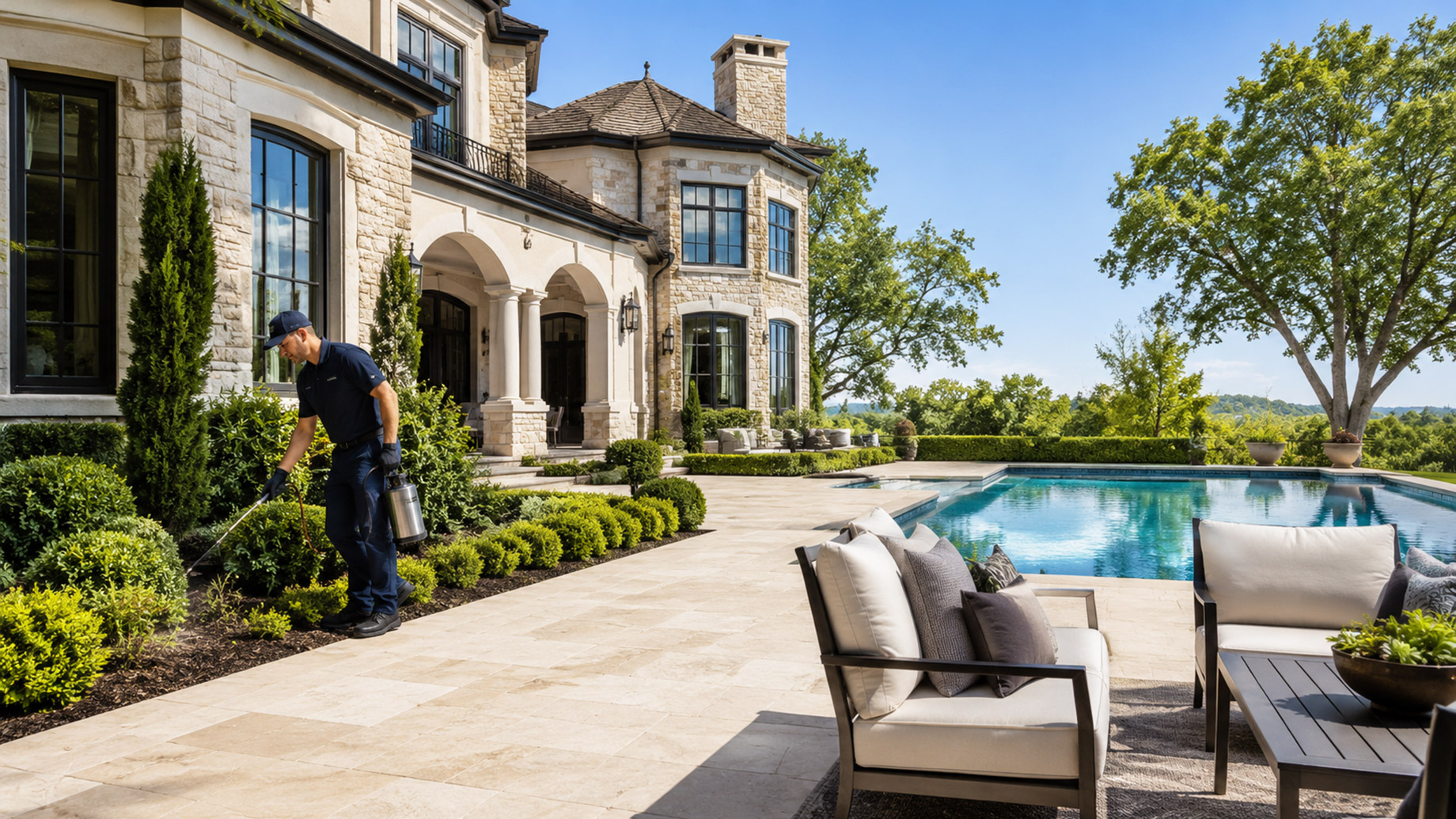
Luxury property management has changed. It’s no longer just about polished marble, soft lighting, wide lawns, smart locks, and a pool that looks perfect at golden hour. Those things still matter, of course. But the quieter parts of property care now carry just as much weight.
Pest prevention is one of them.
For high-value homes, private estates, luxury rentals, and hospitality spaces, pest control is no longer treated as a quick call after something goes wrong. It has become part of the property’s larger care plan. Like roof inspections, HVAC servicing, landscape management, and security checks, pest prevention protects comfort, reputation, and long-term value.
You know what? That makes sense. A premium property can look flawless in photos, but one pest issue can change the whole experience. A guest notices ants near an outdoor kitchen. A tenant sees droppings in a storage room. A buyer spots signs of termite activity during inspection. Suddenly, the mood shifts.
That’s why pest prevention has moved from “maintenance problem” to “property management priority.”
Luxury Is Also About What Guests Don’t Notice
The best-managed properties often feel effortless. Doors open smoothly. Gardens look fresh. Outdoor seating feels inviting. Kitchens are clean. Storage areas are dry. Nothing feels neglected.
That effortless feeling takes work.
Pest prevention fits into that hidden layer of care. It’s not the glamorous part of managing a luxury estate, but it supports everything glamorous. A designer patio loses its charm if mosquitoes take over at dusk. A private wine room feels less exclusive if moisture attracts insects. A high-end rental gets awkward fast if guests find pests during their stay.
For property managers, the goal is simple: prevent small issues before they become visible.
That’s also why pest control companies serving premium clients need to be easy to find online, especially when owners and managers are searching for prevention-focused help. Specialized digital visibility, such as pest control SEO from Dagmar Marketing, has become part of how service providers reach property owners who don’t want basic fixes. They want reliable, discreet support before the problem grows.
And honestly, that is the real shift. Premium clients aren’t only asking, “Can someone remove this pest?” They’re asking, “How do we make sure this doesn’t interrupt the property experience at all?”
Prevention Now Starts Before The Problem
There’s a big difference between reacting to pests and managing risk.
Reactive pest control waits for a problem. Prevention watches for the conditions that create one. That means checking moisture, gaps, foundation cracks, drainage, food storage, landscaping, waste areas, and seasonal patterns.
For a standard home, a pest issue is frustrating. For a luxury property, it can be expensive and embarrassing. High-end homes often have features that need extra care:
- Large gardens and landscaped grounds
- Pools, fountains, and water features
- Outdoor kitchens and dining areas
- Guest houses and pool houses
- Wine cellars, basements, and storage rooms
- Wood decks, pergolas, and shaded terraces
Each feature adds beauty. Each one also creates small risk points.
A water feature can attract mosquitoes. Dense landscaping can shelter pests. Outdoor kitchens can draw ants, flies, and rodents if cleaning routines slip even a little. Wood features can raise termite concerns in certain regions.
That doesn’t mean these spaces are a problem. It means they need smart care.
Luxury property management is a lot like caring for a tailored suit. You don’t wait until it’s stained, stretched, or torn. You brush it, store it well, and handle it before it loses its shape. Pest prevention works the same way. The less visible the work is, the better the result.
Seasonal Care Is Where The Smart Money Goes
Pests follow seasons. Property care should follow them too.
Spring often brings ants, termites, flies, and nesting activity. Summer adds mosquitoes, ticks, wasps, and outdoor dining problems. Autumn can push rodents indoors as temperatures drop. Winter still brings concerns around attics, crawl spaces, wall voids, and storage areas.
A premium property doesn’t get to pause for the season. Guests still arrive. Rentals still book. Owners still expect the home to feel cared for.
That’s why many property managers now build pest prevention into a seasonal calendar. It sits beside gutter cleaning, pool opening, irrigation checks, landscaping schedules, and HVAC maintenance.
Homeowners can discuss a residential service plan with a local provider such as Apex Pest Control in Sacramento.
Here’s the thing: seasonal pest prevention is not about fear. It’s about rhythm.
A manager knows when the gardens need trimming. They know when pool service needs to happen. They know when outdoor furniture needs covers or cleaning. Pest prevention now belongs in that same rhythm because it touches comfort, health, and property presentation.
A property can survive a small issue. But premium management is not built around survival. It’s built around consistency.
Discretion Has Become Part Of The Service
Luxury clients care about results, but they also care about how those results are delivered.
That means pest prevention services need to be discreet. No loud, messy, awkward visits if they can be avoided. No obvious disruption when guests are staying. No careless service notes left where renters or visitors can see them. No treatment schedules that clash with private events, photography, open houses, or owner visits.
This is one reason property managers often prefer recurring inspection plans. Regular service creates fewer surprises. It also allows pest control teams to understand the property’s layout, risk zones, and usage patterns.
A beach house has different concerns from a mountain estate. A city penthouse has different risks from a countryside manor. A short-term luxury rental has different pressures than a private family home.
And yes, even the social side matters. If a guest sees a pest control truck outside a high-end villa right before check-in, they may wonder what’s going on. That may not be fair, but perception is part of hospitality.
Premium service works quietly. It solves problems without turning them into a scene.
Reputation Is Fragile, Especially Online
A property’s reputation can take years to build and one bad review to damage.
That’s especially true for luxury rentals and hospitality spaces. Guests expect more because they pay more. They notice details. They mention details. A single pest complaint in a review can sit online for months or years, even if the issue was fixed the same day.
This is where pest prevention connects directly to revenue.
For a high-end rental, clean design and strong photos bring people in. Comfort keeps them happy. Reviews bring the next guest. A pest problem interrupts that chain.
The same applies to boutique hospitality spaces, private estates used for events, and luxury homes going to market. A property shown to buyers should feel calm and controlled. A venue should feel polished before guests arrive. An estate rental should feel private, not patched together at the last minute.
Property reputation is not just about beauty. It’s about trust.
When guests feel that every part of a property has been cared for, they relax. That relaxed feeling is worth a lot. It leads to better reviews, smoother stays, stronger referrals, and fewer uncomfortable calls to the manager.
Outdoor Living Raised The Stakes
Outdoor space has become one of the strongest selling points in luxury real estate. Patios, terraces, pools, outdoor kitchens, fire pits, gardens, and lounge areas now function like extra living rooms.
But outdoor luxury has a catch. Nature is part of the charm, and nature does not always behave.
Mosquitoes can make a sunset dinner feel rushed. Wasps can turn a poolside afternoon into a complaint. Ants can ruin an outdoor kitchen setup. Rodents near landscaped areas can make even a stunning estate feel poorly managed.
That’s why pest prevention now supports outdoor living. It helps make these spaces usable, not just attractive.
It’s easy to forget this part when looking at property photos. A camera captures the stonework, the pool, the lighting, the view. It doesn’t capture the guest swatting mosquitoes every few seconds. It doesn’t capture the host quietly moving dinner indoors because the patio became uncomfortable.
Premium outdoor living is not only about how a space looks. It’s about how long people want to stay there.
Event-Ready Properties Need Another Level Of Care
Some properties carry extra pressure because they host gatherings. That can mean private dinners, family celebrations, corporate retreats, photo shoots, or estate events. In those moments, pest prevention becomes part of the guest experience.
A property prepared for a wedding ceremony has to feel calm, clean, and comfortable from the first arrival to the final goodbye. Guests remember the setting. They remember the food, the flowers, the weather, and the mood. They also remember anything that feels off.
Pests are one of those things no host wants guests to talk about.
For event-ready properties, prevention has to happen early. Waiting until the week of an event is risky, especially during warm months when mosquitoes, flies, and ants are more active. The outdoor areas, catering zones, restrooms, gardens, barns, terraces, and parking areas all need attention.
That doesn’t mean turning the property into something sterile. It means letting the setting shine without distractions.
The best event spaces feel natural and polished at the same time. Pest prevention helps protect that balance.
It’s Not Just Pest Control, It’s Asset Protection
High-value properties are assets. They need care that protects their structure, appearance, and earning power.
Termites can damage wood. Rodents can affect wiring and insulation. Moisture-loving pests can point to deeper maintenance issues. Insects around food areas can affect hygiene. Mosquitoes and ticks can affect comfort and safety outside.
So yes, pest prevention is about pests. But it is also about early warning signs.
A good inspection can reveal drainage issues, small entry points, decaying wood, storage problems, or landscaping choices that invite trouble. For property managers, that information is useful. It helps them plan repairs, reduce risk, and avoid rushed emergency calls.
There’s a practical side too. Emergency fixes cost more. They cause stress. They interrupt bookings, showings, events, and owner visits. Preventive care is usually easier to schedule and easier to explain.
Luxury property management has always valued foresight. Pest prevention is simply another form of it.
The New Standard Is Quiet, Regular, And Smart
Pest prevention became part of premium property management because expectations changed.
Owners expect better care. Guests expect cleaner experiences. Buyers expect fewer surprises. Property managers need systems that protect both the asset and the people using it.
That doesn’t mean every property needs heavy treatment or constant service. It means each property needs a clear plan. The plan should match the location, the season, the layout, and how the property is used.
For a private estate, that plan may focus on structural protection and outdoor comfort. For a luxury rental, it may focus on guest-facing areas and fast reporting. For hospitality spaces, it may include careful scheduling around occupancy. For event properties, it may focus on outdoor zones before peak dates.
The point is not to make pest prevention feel dramatic. The point is to make it normal.
Because in premium property management, the smallest details often carry the biggest weight. A clean terrace. A quiet garden. A guest who stays outside longer because nothing is bothering them. A buyer who walks through without spotting a problem. A host who doesn’t have to apologize.
That is the real value of prevention. It keeps the property feeling like itself. Polished, comfortable, and ready.
