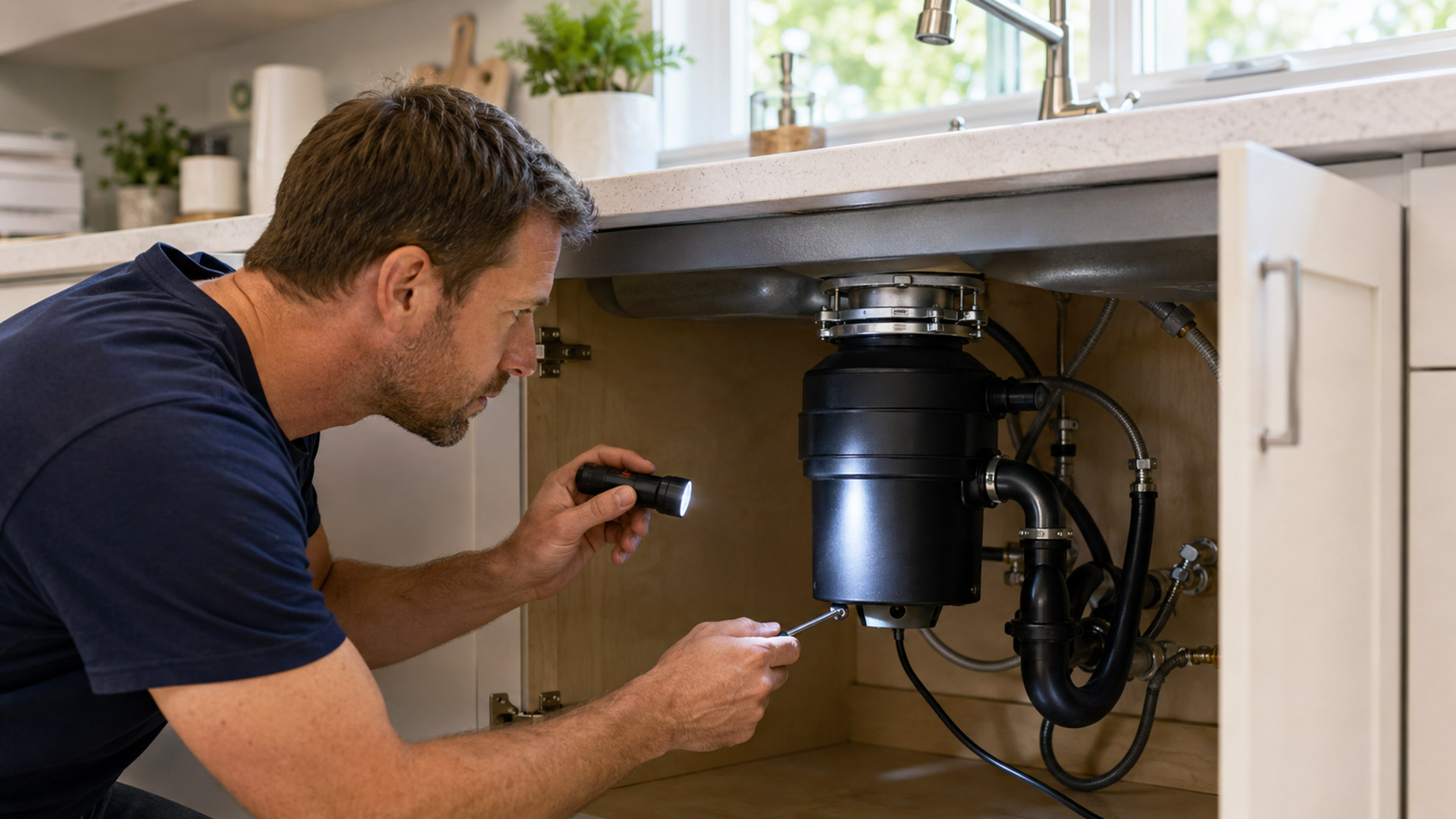
A waste disposal unit is one of the most convenient appliances in the kitchen. It helps break down food scraps, keeps the sink cleaner, and reduces the amount of waste that goes into the trash. But when the unit jams, hums, leaks, or stops working altogether, it can quickly disrupt your routine. The good news is that some problems are simple to troubleshoot, while others are better handled by a professional. If you are trying to fix waste disposal unit problems safely, it helps to understand the common causes and the right steps to take before the issue gets worse.
Common Reasons Waste Disposal Units Stop Working
Waste disposal units are designed to grind soft food scraps, but they can run into trouble when they are overloaded or used incorrectly. A jam or breakdown may happen suddenly, or it may develop over time as parts wear down.
Common causes include:
- Hard items such as bones, fruit pits, or shells
- Grease, oil, or fat buildup
- Fibrous foods like celery, corn husks, and onion skins
- Too much food placed in the unit at once
- Foreign objects such as utensils, bottle caps, or small plastic pieces
- Worn internal parts
- Electrical issues
- Drain line clogs
Understanding the cause can help you decide whether a quick reset is enough or whether you need professional service.
Safety First Before You Troubleshoot
Before attempting any repair, safety should come first. A waste disposal unit contains moving parts and electrical components, so you should never reach into the drain with your hand.
Follow these safety steps:
- Turn the wall switch off
- Unplug the unit if it has a power cord
- Turn off the circuit breaker if the unit is hardwired
- Use a flashlight to inspect the drain opening
- Use pliers or tongs to remove visible objects
- Never put your fingers inside the disposal chamber
If you are unsure whether the power is fully off, do not continue. Calling a professional is safer than risking injury.
What to Do If the Unit Is Humming
A humming sound usually means the motor is receiving power, but the grinding plate cannot move. This often happens when food scraps or a hard object jam the unit.
Here is what you can do:
- Turn off the disposal immediately.
- Disconnect power to the unit.
- Look inside the drain with a flashlight.
- Remove visible debris with pliers or tongs.
- Locate the small hex hole at the bottom of the unit.
- Insert the disposal wrench or an Allen wrench.
- Turn the wrench back and forth to loosen the jam.
- Restore power and test the unit with cold water running.
Do not allow the unit to hum for more than a few seconds. Continued humming can overheat the motor and cause permanent damage.
How to Reset a Waste Disposal Unit
Many waste disposal units have a reset button located on the bottom or side of the appliance. This button pops out when the motor overheats or the unit experiences an electrical overload.
To reset the unit:
- Turn off the disposal switch
- Wait several minutes for the motor to cool
- Press the reset button firmly
- Run cold water
- Turn the unit back on
If the disposal starts working again, the issue may have been a temporary overload. If it trips again, there may be a jam, wiring problem, or failing motor.
How to Clear a Drain Clog
Sometimes the disposal runs, but water will not drain properly. This may mean the unit is clear, but the drainpipe is clogged. Food waste, grease, coffee grounds, pasta, rice, and other materials can create stubborn blockages.
Try these steps:
- Turn off the disposal
- Run cold water to see whether the drain clears
- Use a sink plunger to loosen the clog
- Remove and clean the P-trap if you are comfortable doing so
- Avoid chemical drain cleaners, which can damage pipes and disposal parts
If the clog keeps coming back, you may need professional drain cleaning. A clogged disposal line can cause backups, odors, and water damage if left untreated.
What to Do If the Disposal Will Not Turn On
If the waste disposal unit does not respond at all, the problem may be electrical. It could also be a sign that the motor has failed.
Check the following:
- Is the unit plugged in?
- Has the circuit breaker tripped?
- Has the reset button popped out?
- Is the wall switch working?
- Is there a jam preventing the motor from starting?
If the breaker trips repeatedly, stop using the unit. Repeated electrical problems should be inspected by a professional. Electrical issues are not worth guessing on, especially when water and wiring are close together.
How to Handle Leaks
A leaking waste disposal unit should be addressed quickly. Even a small leak can damage cabinets, flooring, and nearby plumbing.
Leaks may come from:
- The sink flange
- The dishwasher hose connection
- The drainpipe connection
- The mounting ring
- A cracked disposal housing
If the leak is coming from a loose connection, tightening the fitting or replacing a gasket may solve the problem. If water is leaking from the body of the unit, the housing may be cracked. In that case, replacement is usually the best option.
When Bad Odors Will Not Go Away
Unpleasant smells are often caused by food particles trapped inside the unit. Basic cleaning can help, especially if the odor is mild.
You can freshen the disposal by:
- Running cold water while the unit operates
- Grinding small citrus peels
- Cleaning the rubber splash guard
- Using baking soda and vinegar
- Flushing the drain with water after each use
If odors remain after cleaning, there may be a buildup deeper in the drain line. A professional can inspect the system and remove trapped debris.
When the Unit Grinds Poorly
If food scraps are not breaking down properly, the internal grinding parts may be worn or damaged. You may notice that food sits in the drain, water drains slowly, or the unit sounds weaker than usual.
Poor grinding can happen because of:
- Dull or worn grinding components
- Food buildup
- A partially jammed plate
- Motor wear
- An aging unit
If the disposal is older and has several performance problems, repair may not be the most cost-effective solution. A technician can help determine whether repair or replacement makes more sense.
Mistakes to Avoid
Trying to repair a disposal the wrong way can make the problem worse. It can also create safety risks.
Avoid these common mistakes:
- Reaching into the unit with your hand
- Using chemical drain cleaners
- Continuing to run a humming disposal
- Pouring grease into the sink
- Grinding hard objects
- Overloading the disposal
- Ignoring leaks
- Resetting the unit repeatedly without finding the cause
A careful approach can help protect both the appliance and your plumbing system.
When to Call a Professional
Some disposal issues are simple, but others require trained help. If you have tried safe troubleshooting and the unit still does not work, it may be time to schedule service.
Call a professional if:
- The unit hums but will not spin
- The reset button keeps tripping
- Water leaks from the unit
- The breaker trips repeatedly
- The sink backs up
- The disposal smells even after cleaning
- The motor sounds weak
- The unit is more than 10 years old
- You are unsure how to safely inspect it
If you need to repair a waste disposal unit in Houston, hiring a local plumbing professional can help you get fast service and reliable guidance. A technician can identify whether the problem is a jam, clog, leak, wiring issue, or failed motor.
Repair or Replace?
A repair may be worthwhile if the unit is fairly new and the issue is minor. For example, a jam, loose connection, or worn gasket may be fixable. However, replacement may be better if the disposal is old, cracked, leaking from the body, or breaking down repeatedly.
Consider replacement if:
- The unit is near the end of its expected lifespan
- Repairs are becoming frequent
- The motor is failing
- The housing is cracked
- The unit no longer grinds well
- You want a quieter or more powerful model
A professional can compare the cost of repair with the cost of replacement, so you can make a practical decision.
How to Prevent Future Disposal Problems
Good habits can help your waste disposal unit last longer and work better.
Follow these tips:
- Run cold water before, during, and after use
- Add food scraps slowly
- Cut larger scraps into smaller pieces
- Avoid grease, oils, and fats
- Keep hard items out of the drain
- Avoid fibrous foods
- Clean the splash guard regularly
- Use the unit often to prevent buildup
- Flush the drain after grinding food
Preventive care is one of the easiest ways to avoid emergency repairs.
FAQ
Why is my waste disposal unit humming but not working?
A humming unit usually means the motor has power, but the grinding plate is jammed. Turn it off immediately and try loosening the jam with the proper wrench after disconnecting power.
Can I fix a jammed disposal myself?
You may be able to fix a simple jam by using the reset button and disposal wrench. Never put your hand inside the unit. Call a professional if the jam does not clear.
Why does my disposal keep needing to be reset?
Repeated resets may indicate overheating, electrical problems, frequent jams, or a failing motor. If it happens often, the unit should be inspected.
Is it safe to use chemical drain cleaner in a disposal?
No. Chemical cleaners can damage disposal parts and plumbing. Use safe cleaning methods or call a plumber for stubborn clogs.
What should I do if my disposal is leaking?
Turn off the unit and inspect where the leak is coming from. Loose connections may be repairable, but a cracked housing usually means the unit needs replacement.
How long does a waste disposal unit usually last?
Many units last 8 to 15 years, depending on usage, quality, and maintenance. Frequent problems may mean the unit is nearing the end of its life.
When should I call for professional repair?
Call for help if the unit leaks, hums without spinning, trips the breaker, drains slowly, smells bad after cleaning, or stops working after basic troubleshooting.
Can a plumber repair a waste disposal unit in Houston?
Yes. A local plumber can inspect, repair, or replace your unit and make sure the connected drain lines are working properly.
