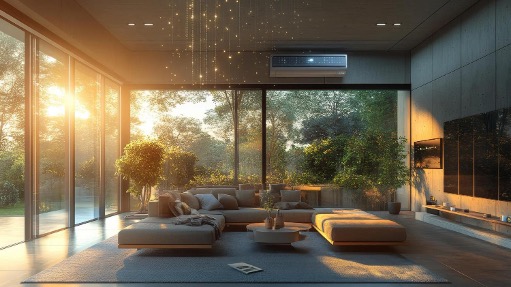
Luxury living was once defined primarily by visible features. Expansive kitchens, imported materials, custom finishes, high ceilings, and dramatic architecture traditionally shaped how people evaluated upscale homes. While these elements still matter, modern luxury has evolved beyond aesthetics alone.
Today, comfort itself has become a major part of high-end residential design. Homeowners increasingly expect living environments that feel consistently comfortable, energy efficient, healthy, and adaptable to everyday life. Temperature stability, indoor air quality, humidity balance, airflow, and quiet system performance now influence how luxurious a property actually feels on a daily basis.
As a result, climate control has become far more than a technical necessity hidden behind walls. Increasingly, it is viewed as part of the overall luxury living experience itself.
Luxury Is Becoming More Experience-Driven
Modern luxury homeowners often prioritize how spaces function just as much as how they look. Beautiful architecture alone no longer defines premium living if indoor environments feel inconsistent, noisy, poorly ventilated, or uncomfortable throughout different seasons. Homeowners increasingly want homes that support wellness, convenience, and long-term livability in ways that feel effortless. This shift reflects broader lifestyle changes.
People now spend more time at home than previous generations often did. Homes frequently function as workplaces, entertainment spaces, wellness environments, and private retreats simultaneously. Because of this, indoor comfort has become much more noticeable in everyday life. Subtle environmental details that were once overlooked now play a larger role in how residents experience luxury properties overall.
Read more: Live Exceptionally with Modern Luxury Living
Temperature Consistency Became More Important
One of the clearest examples of this shift is the growing emphasis on temperature consistency throughout the home. In older properties, uneven heating and cooling between rooms was often considered normal. Today, luxury homeowners increasingly expect balanced indoor temperatures regardless of season, floor level, or room orientation.
Modern HVAC systems help support this expectation through zoning technology, smart climate management, improved airflow design, and more advanced energy-efficient systems. Quiet operation also matters more than before. High-end homes now prioritize comfort systems that maintain ideal indoor conditions without disrupting the atmosphere of the living environment itself. In luxury design, true comfort often depends on systems homeowners barely notice at all.
Indoor Air Quality Became Part of Wellness
Wellness-focused living has also changed how people think about climate control. Indoor air quality is now viewed as an important part of healthy living, especially in homes where residents spend significant amounts of time working, relaxing, and sleeping indoors. Ventilation systems, air filtration, humidity control, and airflow efficiency all contribute to how fresh and healthy indoor environments feel.
This has become particularly important in modern luxury homes that emphasize open layouts, larger interior volumes, and energy-efficient construction. Tightly sealed homes may improve efficiency, but they also require stronger ventilation strategies to maintain healthy indoor air circulation. As interest in wellness-centered design continues growing, climate systems increasingly support broader goals surrounding comfort, sleep quality, respiratory health, and long-term indoor livability.
Energy Efficiency Became a Luxury Feature
Luxury homeowners are also paying closer attention to energy efficiency than in previous decades. Efficiency is no longer viewed only as a financial concern. Increasingly, it is associated with smarter living, environmental responsibility, and long-term property performance. Modern homeowners often expect climate systems capable of maintaining comfort while minimizing unnecessary energy waste.
Advanced insulation, smart thermostats, zoning systems, duct optimization, and high-efficiency HVAC equipment all contribute to this more sophisticated approach to residential comfort. In regions where cooling demands remain high for much of the year, demand for advanced HVAC in Ventura county has grown alongside broader interest in energy-efficient homes designed to support both comfort and long-term sustainability. This reflects a wider shift happening throughout luxury real estate markets where hidden infrastructure increasingly contributes to property appeal.
Climate Systems Influence Architectural Design
Climate control now influences architecture itself in many modern luxury properties. Large glass walls, open-concept layouts, vaulted ceilings, and indoor-outdoor living spaces all create unique heating and cooling challenges that require more advanced environmental planning. Architects and designers increasingly collaborate with HVAC professionals early in the design process to ensure homes remain comfortable without compromising aesthetics.
This integration has become especially important in luxury properties where homeowners expect seamless design continuity. Visible vents, noisy systems, inconsistent airflow, or poor humidity control can negatively affect how refined a space feels regardless of the materials or furnishings surrounding it. Because of this, climate systems are increasingly treated as part of the architectural experience rather than secondary infrastructure added later.
Quiet Comfort Became Part of Modern Luxury
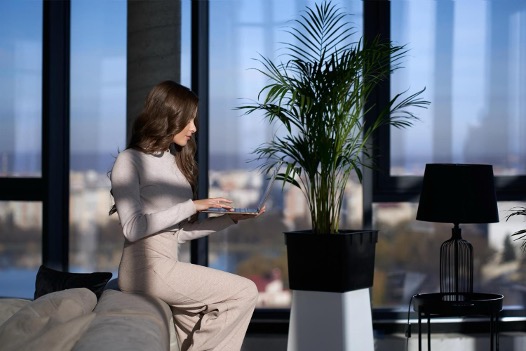
Noise reduction has also become an important part of luxury climate design. Modern homeowners increasingly value calm, quiet environments where mechanical systems operate efficiently without creating distractions. Loud airflow, rattling ducts, or constantly cycling equipment may significantly reduce the sense of comfort within otherwise beautiful homes.
Advanced HVAC technology now allows climate systems to operate far more quietly while maintaining stable indoor conditions more efficiently than older systems. This subtlety matters because luxury increasingly focuses on environments that feel smooth, effortless, and restorative rather than visually impressive alone.
Smart Homes Increased Climate Expectations
Smart home technology has further elevated expectations surrounding climate control. Homeowners can now manage indoor temperatures, humidity levels, and airflow remotely through integrated systems designed to adapt automatically to occupancy patterns and seasonal conditions. Personalized climate control has become part of the broader convenience luxury homeowners expect from modern residences.
Rather than adjusting homes around mechanical limitations, many people now expect homes to respond intuitively to their preferences and routines. Climate control therefore plays a growing role within larger conversations surrounding automation, wellness, and intelligent residential design.
Home Comfort Became More Emotional
Another reason climate control became more important is because comfort itself is deeply emotional. Indoor environments influence sleep quality, productivity, stress levels, and overall mood more than many people consciously realize. A home that consistently feels balanced, fresh, and comfortable naturally supports a stronger sense of relaxation and stability.
Luxury living increasingly reflects this emotional side of residential design. Instead of focusing purely on visual status, many homeowners now prioritize environments that improve daily life in quieter, more practical ways. Comfort is no longer viewed simply as a convenience. It is increasingly considered part of long-term well-being.
Luxury Living Is Increasingly Defined by Invisible Systems
The evolution of luxury housing reflects a larger shift happening throughout residential design overall. Organizations such as American Society of Heating, Refrigerating and Air-Conditioning Engineers continue emphasizing the growing importance of ventilation, energy efficiency, indoor environmental quality, and advanced climate management within modern residential construction.
As luxury living becomes more experience-driven, hidden systems now shape how homes function just as much as visible design features do. Climate control may once have been viewed as background infrastructure, but today it plays a central role in how homeowners experience comfort, wellness, efficiency, and everyday life inside modern luxury properties.