
Luxury events are usually judged by what guests remember emotionally rather than by the amount of money spent organizing them. Beautiful venues, premium catering, designer décor, and exclusive entertainment may create strong first impressions, but those details alone do not guarantee a successful experience. In many cases, the moments guests talk about afterward involve convenience, comfort, timing, and organization far more than visual extravagance.
This is where many luxury hosts run into problems. Planning often focuses heavily on aesthetics and headline features while smaller operational details receive less attention until the final days before the event. Yet those overlooked details frequently determine whether guests feel relaxed and cared for or frustrated and exhausted. From transportation coordination to arrival flow and schedule management, the overall experience depends on far more than appearances alone.
Arrival Problems Shape Guest Impressions Immediately
Guests begin forming opinions about an event long before they enter the venue itself. Traffic confusion, unclear parking instructions, difficult drop-off points, and delayed arrivals can immediately create stress that affects the rest of the evening.
Luxury hosts sometimes assume that guests will independently manage transportation without issues, especially for weddings, galas, corporate gatherings, or destination celebrations. In reality, large-scale events often create congestion, navigation confusion, and inconsistent arrival timing that disrupt the overall atmosphere before the event even fully begins.
This is why transportation planning has become increasingly important for high-end gatherings. Coordinated services such as Skyway Charter Bus rental are often considered when hosts want to simplify guest movement between hotels, airports, event venues, and after-parties. Organized transportation helps events feel significantly smoother because guests spend less time managing logistics individually.
Guests Notice Waiting More Than Hosts Expect
One of the fastest ways to weaken a luxury experience is forcing guests to wait repeatedly throughout the event. Long check-in lines, delayed seating, slow transportation transitions, or poorly coordinated schedules can quickly drain energy from even the most visually impressive gathering.
The issue is not simply inconvenience. Waiting creates uncertainty, and uncertainty interrupts the feeling of ease guests associate with premium experiences. Once attendees begin wondering what is happening next or why delays are occurring, the event starts feeling disorganized regardless of how elegant the setting may be.
Experienced planners often focus heavily on reducing downtime between activities. Smooth transitions between cocktail hours, dinners, speeches, entertainment, and departures usually matter more to guests than adding additional features that complicate the schedule unnecessarily.
Poor Communication Creates Silent Frustration
Luxury hosts sometimes underestimate how important clear communication becomes during large events. Guests need to understand where to go, when activities begin, how transportation works, and what to expect throughout the experience.
When information is unclear, attendees often hesitate to ask questions directly. Instead, they quietly become frustrated while trying to navigate unfamiliar schedules or locations. This confusion may not create visible complaints, but it often affects how guests emotionally remember the event later.
Simple communication tools can dramatically improve the guest experience. Clear signage, organized itineraries, transportation updates, and visible event staff all help reduce uncertainty. The goal is not overwhelming guests with instructions but making navigation feel intuitive and effortless from beginning to end.
Transportation Mistakes Affect the Entire Event Timeline
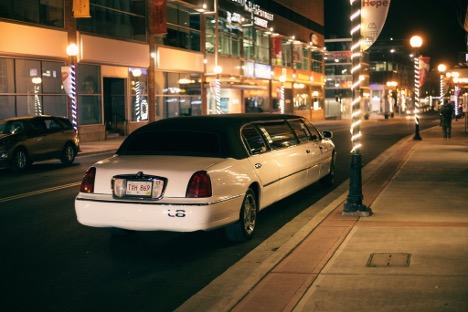
Transportation delays rarely remain isolated problems during luxury events. A late shuttle arrival, traffic issue, or poorly coordinated departure schedule can disrupt dinner service, entertainment timing, speeches, or venue access for hundreds of attendees simultaneously.
This becomes especially difficult during destination events or multi-location celebrations where guests move between hotels, ceremony sites, receptions, and after-parties throughout the day. Without centralized coordination, schedules can quickly become fragmented.
Hosts who fail to account for transportation realities often discover that even well-designed events struggle operationally once guest movement becomes inconsistent.
Comfort Is Often More Important Than Spectacle
Many luxury hosts focus heavily on creating memorable visual moments while underestimating the importance of physical comfort. Yet guests are far more likely to remember being overheated, exhausted, crowded, or uncomfortable than they are to remember individual decorative details.
Comfort includes factors such as seating availability, climate control, restroom accessibility, travel fatigue, noise levels, and transition pacing. Events that look impressive but feel physically draining often leave weaker long-term impressions than simpler gatherings that prioritize convenience and relaxation.
This is especially true for multi-hour events where energy levels naturally shift throughout the evening. Guests who remain comfortable are more likely to stay engaged socially and emotionally for longer periods, improving the atmosphere for everyone attending.
Overpacked Schedules Reduce Enjoyment
Luxury events sometimes become overly structured because hosts try to maximize every moment of the experience. Multiple performances, tightly timed transitions, elaborate programming, and constant activity may appear exciting during planning but can eventually overwhelm guests.
Attendees usually need moments to socialize naturally, relax between activities, and enjoy the environment without feeling rushed continuously from one segment to another. Events often feel more sophisticated when pacing allows conversations and interactions to develop organically.
This balance is difficult because hosts understandably want guests to feel entertained throughout the event. However, carefully managed simplicity often creates a more refined atmosphere than schedules packed with nonstop programming.
The Best Luxury Events Feel Effortless
Guests rarely leave an event praising the logistical planning directly. Instead, they describe the experience as smooth, elegant, relaxing, or exceptionally organized. That reaction usually comes from dozens of small operational decisions working together successfully behind the scenes.
Luxury hosting is increasingly defined by reducing friction rather than increasing extravagance. Guests remember how easily the evening flowed, how comfortable they felt, and how little stress they experienced throughout the event itself.
The most successful hosts understand that true luxury often means removing inconvenience before guests ever notice it. Transportation coordination, communication clarity, timing management, and guest comfort may not generate dramatic photographs, but they frequently determine whether an event feels genuinely high-end or simply expensive.