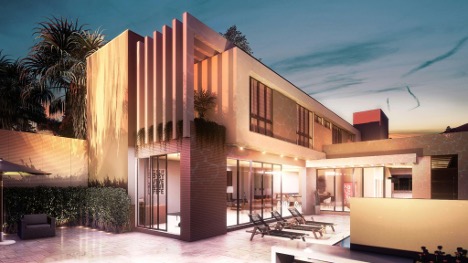
A house can contain premium materials, oversized rooms, and impressive square footage while still feeling generic once people begin living inside it. By contrast, truly custom luxury homes often feel different immediately, even when the visual design appears more restrained. The distinction usually comes down to intentionality. A custom luxury build is designed around how people actually want to live, while an expensive house often focuses primarily on visible scale or surface-level impact.
Modern luxury homeowners increasingly prioritize functionality, craftsmanship, and long-term livability over obvious displays of excess. The homes that continue feeling refined years later are usually the ones where design decisions support comfort, movement, durability, and daily routines consistently rather than simply creating a strong first impression during a walkthrough.
Custom Homes Are Designed Around Real Life
One of the biggest differences between a custom luxury build and a standard expensive property is how the home supports everyday living. Custom homes are typically planned around the homeowner’s routines, preferences, and long-term lifestyle rather than relying on generic layouts designed to appeal broadly to buyers.
This affects everything from kitchen workflow and storage placement to lighting, room transitions, and outdoor integration. Homes feel significantly more comfortable when movement throughout the space feels intuitive instead of forced around oversized but impractical layouts.
Projects involving Taylor Made Construction services often focus heavily on this level of personalization because long-term satisfaction depends less on square footage and more on how naturally the environment functions day after day. A home becomes more luxurious when it quietly supports routines instead of constantly requiring adjustment.
Read more: 3 Inexpensive Home Décor Fixes to Make Your House Look Luxurious
Material Quality Matters More Over Time
Another major distinction involves material selection. Expensive houses often prioritize visual impact initially, but custom luxury builds usually focus more carefully on how materials perform years later under daily use and environmental exposure.
Flooring, wall treatments, cabinetry, and structural finishes all influence whether a home continues feeling refined long term. Materials that resist warping, aging inconsistently, or requiring constant maintenance generally create stronger long-term value because the home retains stability and visual consistency over time.
Products such as woodplank.com reflect the growing emphasis on materials balancing aesthetics with durability. Luxury homes increasingly prioritize finishes that continue performing well rather than materials chosen mainly for immediate visual trends or dramatic presentation.
True Luxury Feels Cohesive, Not Overdesigned
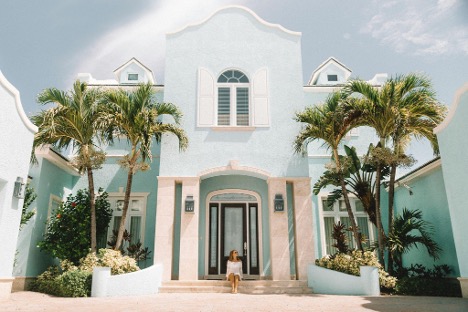
Custom luxury homes also tend to feel more cohesive because every detail is selected within a broader architectural vision. Lighting, materials, exterior features, storage systems, and room proportions all work together intentionally rather than appearing as separate high-end additions competing for attention.
Expensive homes without that consistency often feel visually overwhelming despite containing premium features. Oversized spaces, disconnected design choices, or trend-driven finishes may create initial impact but rarely provide the same emotional comfort once daily living begins.
Custom homes generally create a stronger sense of calm because the design feels balanced instead of excessive. The environment supports the homeowner quietly rather than constantly trying to impress visually.
Comfort Is Engineered Into the Home Itself
One thing truly separating custom luxury builds is environmental quality. Airflow, insulation, sound control, lighting balance, and climate consistency are often engineered much more carefully because comfort is treated as part of the architecture itself rather than an afterthought.
Homes with poor airflow, uneven temperatures, or weak sound insulation may still look luxurious visually, but they rarely feel relaxing long term. By contrast, homes designed carefully around environmental stability often feel more elevated because residents experience comfort continuously without needing to think about it.
The most luxurious homes are usually the ones where systems operate so smoothly in the background that homeowners barely notice them at all.
Craftsmanship Quietly Defines the Entire Experience
Another difference between custom luxury homes and ordinary expensive houses is craftsmanship quality. Precision in finishes, alignment, installation, detailing, and structural execution creates subtle visual consistency that homeowners notice over time even if they cannot immediately explain why the home feels more refined.
Poor craftsmanship becomes increasingly noticeable once people begin interacting with the space daily. Doors, cabinetry, flooring transitions, trim work, and lighting alignment all influence whether the environment feels polished or unfinished beneath the surface.
Custom luxury homes generally prioritize these details because long-term quality depends heavily on execution, not simply design concepts alone.
Luxury Today Is About Living Better, Not Bigger
Perhaps the biggest shift in modern luxury is that homeowners increasingly associate quality with ease and livability rather than size alone. Larger homes no longer automatically feel more luxurious if they are difficult to maintain, inefficient, or disconnected from how people actually live.
Custom builds stand out because they are designed intentionally around experience. Lighting supports mood. Layouts improve routines. Materials age gracefully. Storage reduces stress. Environmental systems maintain comfort quietly in the background.
The result is a home that feels easier, calmer, and more functional every day instead of simply appearing expensive visually. True luxury usually reveals itself not through dramatic excess, but through how naturally the home continues supporting life long after the construction itself is complete.