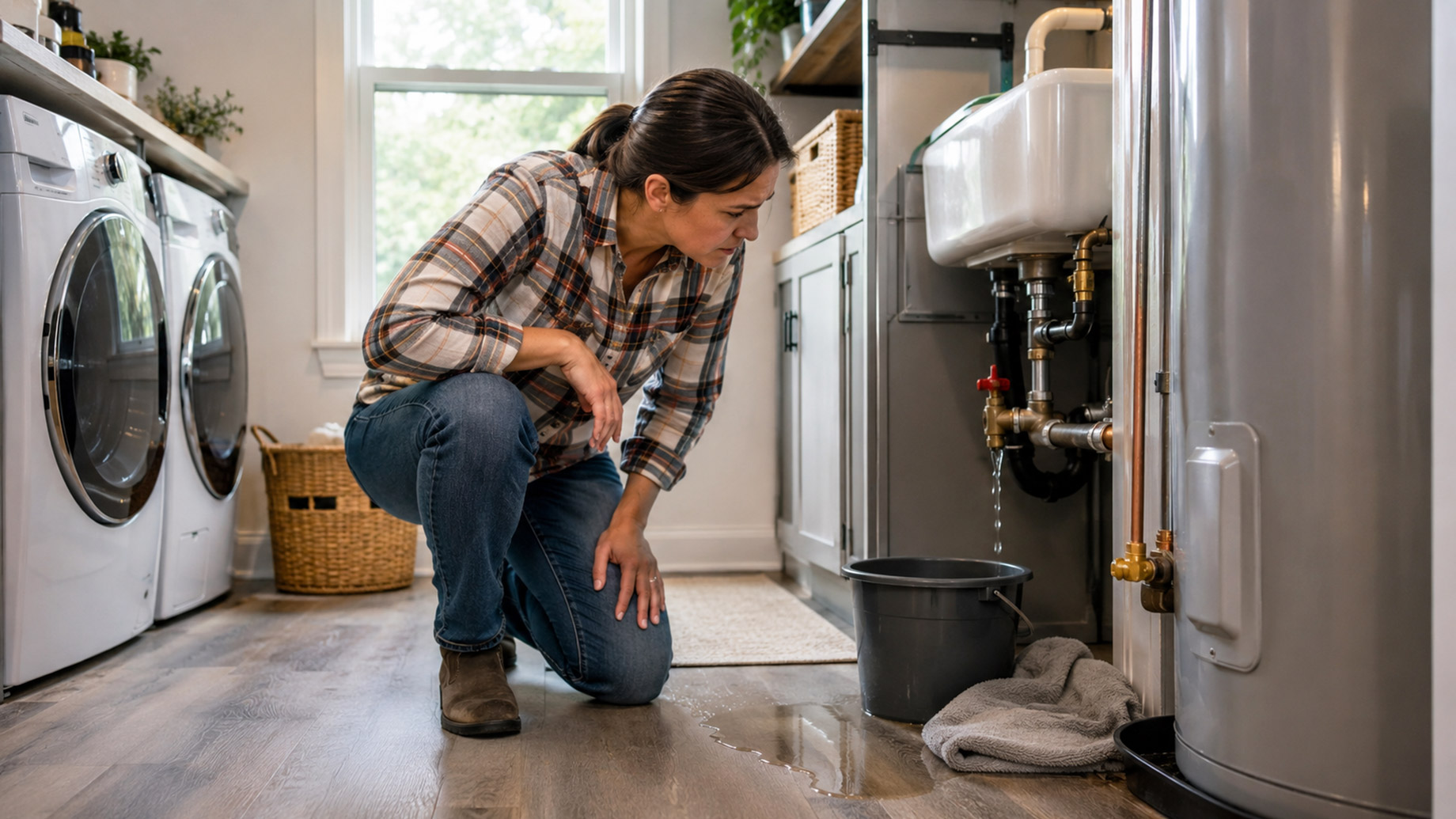
Water damage is one of the most frequent and costly problems a homeowner must contend with. It is often unexpected and results in structural damage, financial strain, and emotional trauma. From burst pipes to flooding basements, prevention is the secret ingredient to safeguarding your investment against such disaster. In this blog, we will look into what causes water damage in homes, where it often happens, and ways to avoid such incidents, as well as what to do if an outbreak happens.
How Does Water Damage Happen?
Water damage can stem from many sources. Natural elements or human error being just two examples. Understanding these sources will allow you to identify risks in your home more accurately.
Weather-Related Water Damage
Heavy rainfall, hurricanes, snowmelt, and floods can all lead to a lot of water damage in homes. High winds can strip roofs, exposing your home to raindrops, while clogged gutters allow pooled water to overflow into walls and foundations, with homes located in flood-prone areas being particularly at risk during prolonged rainfall events or storms.
Plumbing Failures
A major source of water damage comes from leaky faucets, burst pipes, and malfunctioning water heaters. Over time, pipes can corrode under pressure and break apart into leaky streams of liquid that spills onto ceilings, walls, and floors, causing damage over time. Malfunctioning plumbing systems not only waste water resources but can also potentially create harm that worsens over time.
Appliance Malfunctions
Dishwashers, washing machines, refrigerators with ice makers, and other water-using appliances can cause a lot of damage if they leak or break, creating an emergency water situation quickly if the issue goes undetected for too long. A ruptured hose or blocked drain could quickly turn into a catastrophe without anyone realizing what has occurred until too late.
Human Negligence
Sometimes water damage results from simple neglect on your part. Forgetting to turn off the faucet, improper installation of appliances, and failure to complete maintenance tasks such as gutter cleaning can all lead to preventable water problems in a home.
Where Can Water Damage Occur?
Water damage doesn’t discriminate. It can happen to any area of your home at any time. Certain locations are more vulnerable than others.
Basement
Basements are particularly vulnerable to water damage because of their subterranean status. Cracked foundations or improper drainage can allow groundwater seepage, particularly during heavy rainfall events. Flooding and excess moisture can result in mold growth as well as weakened structural integrity, resulting in flooding conditions.
Roof
Water leaks often begin on the roof itself, where missing or damaged shingles, flashing, or gutters allow rainwater to seep in through gaps or crevices and accumulate. Unfortunately, problems on your roof often remain undetected until serious damage has already been done.
Bathroom and Kitchen
With multiple water sources rushing through these spaces, kitchens and bathrooms are prime targets for water damage. Leaky pipes under sinks, overflowing toilets, or unattended spills can all lead to serious flooding that wreaks havoc over time if tile grout or caulking has cracked over time.
Interior Walls and Ceilings
Interior water damage can be especially subtle and hard to detect before it becomes acute. Stains, bubbling paint, or sagging drywall could all indicate water accumulating behind the scenes due to plumbing leaks or roof issues causing internal flooding.
How to Prevent Water Damage
Preventing water damage takes some work, but the effort will pay off in terms of ease and cost savings when repairs become necessary later. You can take these proactive measures to keep your home dry and safe.
Maintain Your Gutters and Downspouts
Clogged gutters can lead to rainwater pooling on your exterior walls and overflowing, increasing the risk of water penetration and damage. To combat this issue, regularly clean and inspect your gutters and downspouts so they are functioning as intended. Direct it several feet from your foundation so as to avoid flooding or structural issues. Install gutter guards, which reduce debris buildup for extra protection. But for the best results, you should consult a trusted professional offering the best gutter service to keep your system in the best possible condition.
Inspect and Maintain Plumbing
Routinely inspect for leaks under sinks, exposed pipes, and appliances like washing machines to detect potential issues that could result in future failures, such as replacing old or corroded pipes and loose connections or installing water leak detectors, which can provide early warning of imminent potential failures.
Monitor Humidity Levels
Excess moisture can contribute to condensation, mold growth, and mildew growth in attics and basements, especially where ventilation may not be as sufficient. Invest in a dehumidifier in order to keep humidity levels below 50% in these spaces for proper ventilation.
What to Do When Water Damage Happens
Even with your best efforts in place, water damage may still happen. As soon as it does happen, taking quick action to reduce its extent and repair costs as soon as possible is the thing for mitigating it.
Shut Off the Water Source
To prevent further water damage caused by plumbing or appliance failures, locate and turn off your main water shut-off valve immediately. In cases of major leakage incidents, stop using electricity in the area in question to reduce electrocution risks.
Protect Your Belongings
Move furniture, electronics, and valuables away from the affected area in order to prevent further damage. Alternatively, cover them with plastic covers, tarps, or towels in case they can’t be moved.
Remove Standing Water
Any standing water should be cleared away as quickly as possible using buckets, mops, or a wet and dry vacuum depending on its severity. The sooner it dries up, the less chance there will be of long-term damage such as rot or mold growth in your spaces.
Check for Mold
Mold growth typically develops 24 to 48 hours following water damage, so keep an eye out for musty odors or visible mold growth on walls, fabrics, or surfaces. If you suspect that there is mold, get professional help to immediately remove it safely.
Conclusion
Water damage is a preventable problem that requires constant attention and preparedness to manage. Understanding where and how water damage can happen, engaging in regular maintenance, and taking prompt action against potential issues as they come up, homeowners can significantly lower risks and costs associated with this issue. When prevention efforts fall short and damage does occur, quick action should be taken to reduce harm while restoring your home to its former state. Don’t allow water damage to sneak up on you unannounced. Be proactive about safeguarding your property and peace of mind.
