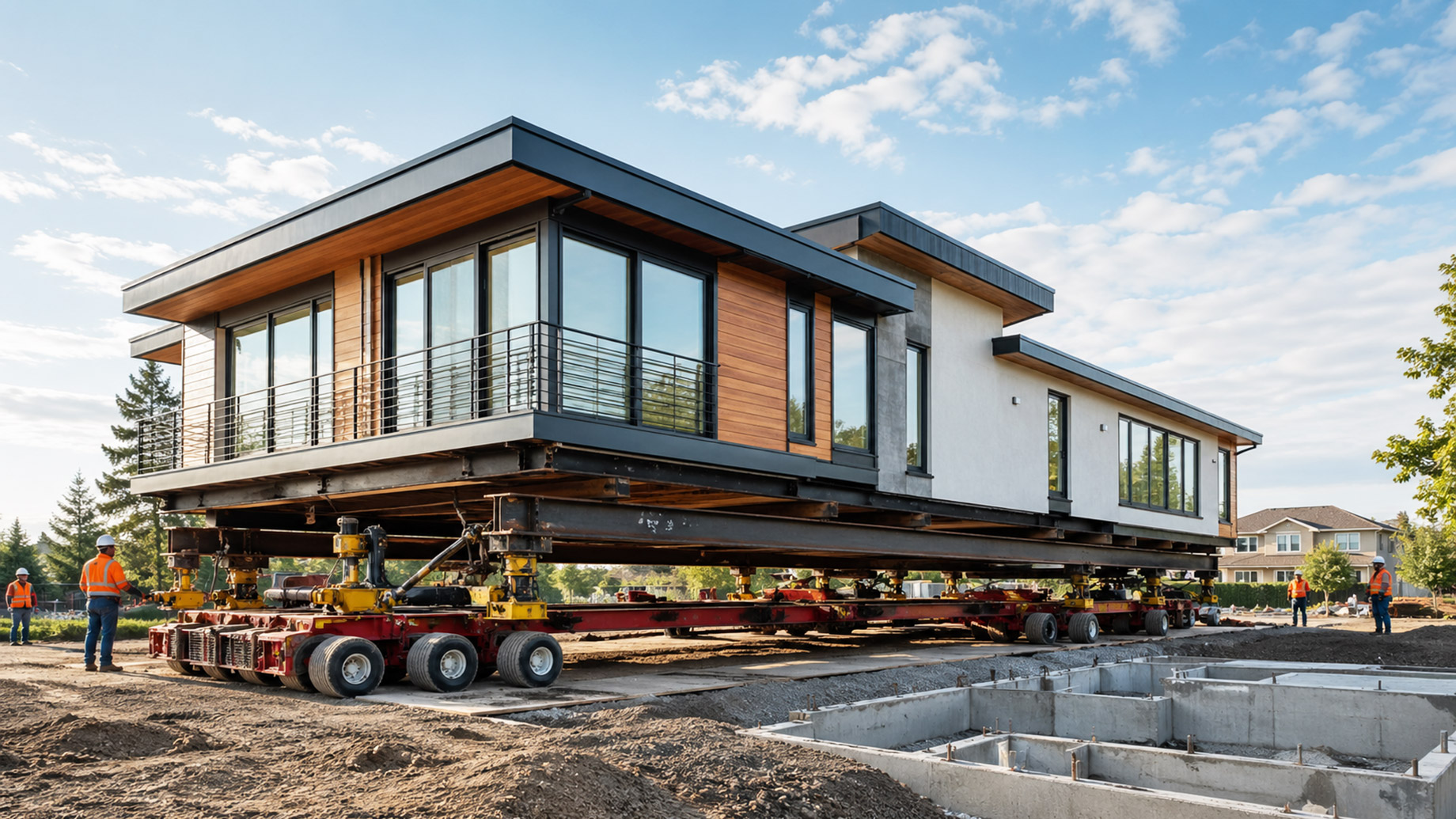
Moving an entire house is one of the most complex and fascinating projects a homeowner can take on. Whether you’re preserving a historic home, relocating a structure to a better lot, or avoiding demolition, the process comes with a long list of moving parts. One of the biggest questions people have right from the start is simple: where does all the money go?
A true house moving cost breakdown reveals that the price is not just about transportation. It’s a combination of planning, labor, equipment, permits, and preparation on both ends of the move. Without understanding these components, it’s easy to underestimate the total investment or overlook key factors that can influence pricing. By breaking it all down, you’ll gain a clearer picture of what you’re paying for and why each piece matters.
What Impacts the Overall Cost of Moving a House?
Before diving into the line-by-line breakdown, it’s important to understand that no two house moves are exactly the same. Several variables can significantly affect the total cost.
Major cost factors
- Size and weight of the structure
- Distance of the move
- Type of foundation at both locations
- Accessibility of the current and new site
- Complexity of the route
Additional influences
- Local regulations and permit requirements
- Utility disconnection and reconnection
- Structural condition of the home
- Weather and seasonal timing
These factors shape the final price and determine how complex the project will be.
Pre-Move Planning and Engineering Costs
One of the first expenses in any house moving project happens long before the structure is lifted.
What this phase includes
- Structural engineering assessments
- Site evaluations at both locations
- Route planning and feasibility studies
- Risk assessments and safety planning
Why this matters
- Ensures the home can be safely moved
- Identifies potential obstacles early
- Prevents costly surprises during the move
Typical cost considerations
- Engineering fees
- Consultation costs
- Surveying and inspection services
This stage lays the groundwork for everything that follows.
Permits and Legal Requirements
Moving a house is not just a construction project. It’s also a legal process that requires coordination with local authorities.
Common permits required
- Building relocation permits
- Transportation permits for oversized loads
- Road closure or traffic control permits
- Utility coordination approvals
Costs associated with permits
- Application fees
- Inspection costs
- Administrative processing fees
Why permits are essential
- Ensure compliance with local regulations
- Prevent legal issues or fines
- Allow coordination with city services
Permit costs can vary widely depending on location, but they are a necessary part of the house moving cost breakdown.
Utility Disconnection and Reconnection
Before a house can be moved, all utilities must be safely disconnected. After relocation, they need to be reconnected.
Utilities typically involved
- Electricity
- Gas lines
- Water and sewer connections
- Internet and communication lines
Cost factors
- Disconnection service fees
- Reconnection and installation costs
- Upgrades to meet current codes
Why this step matters
- Ensures safety during the move
- Prevents damage to infrastructure
- Prepares the home for occupancy at the new site
This is often an overlooked expense that can add up quickly.
Lifting and Preparation of the Structure
This is where the physical work begins. Preparing the house for movement requires specialized skills and equipment.
What happens during this phase
- Excavation around the foundation
- Installation of steel beams for support
- Lifting the structure using hydraulic jacks
- Stabilizing the house for transport
Cost drivers
- Labor-intensive work
- Specialized equipment
- Time required for safe preparation
Why it’s critical
- Ensures the structural integrity of the home
- Prevents damage during lifting
- Sets the stage for a smooth move
This is one of the most technically demanding parts of the process.
Transportation Costs
Transporting the house from one location to another is often what people think of first, but it’s just one part of the overall cost.
What transportation includes
- Specialized moving vehicles and trailers
- Escort vehicles for safety
- Route adjustments and temporary modifications
Factors that affect transportation costs
- Distance of the move
- Road conditions and accessibility
- Size and weight of the structure
- Obstacles along the route
Additional considerations
- Temporary removal of obstacles like signs or power lines
- Coordination with local authorities
Transportation is a major component, but it’s heavily influenced by planning and logistics.
Route Preparation and Obstacle Management
Before the move can happen, the route often needs to be prepared to accommodate the structure.
Common route adjustments
- Trimming or removing trees
- Lifting or temporarily relocating power lines
- Reinforcing roads or bridges if necessary
Costs involved
- Labor for clearing obstacles
- Fees for utility company coordination
- Equipment for temporary adjustments
Why this step is necessary
- Ensures a clear and safe path
- Prevents delays during the move
- Protects both the structure and surrounding infrastructure
Route preparation is a key part of keeping the move on schedule.
New Foundation and Site Preparation
Once the house reaches its new location, it needs a stable foundation to sit on.
What this phase includes
- Excavation at the new site
- Pouring or preparing the foundation
- Aligning and lowering the house into place
Cost factors
- Type of foundation required
- Soil conditions
- Labor and materials
Why this matters
- Ensures long-term stability of the home
- Meets building codes and safety standards
- Prepares the home for reconnection of utilities
This is one of the largest expenses in the entire process.
Post-Move Work and Repairs
After the house is placed on its new foundation, additional work is often needed to make it fully functional.
Common post-move tasks
- Reconnecting utilities
- Repairing minor structural damage
- Restoring landscaping or driveways
- Interior touch-ups
Cost considerations
- Labor for finishing work
- Materials for repairs
- Inspections and approvals
Why this step is important
- Ensures the home is livable and safe
- Completes the relocation process
- Addresses any issues caused during the move
These finishing touches are essential for a successful project.
Hidden Costs to Keep in Mind
Even with a detailed house moving cost breakdown, there are often additional expenses that catch people off guard.
Potential hidden costs
- Temporary housing during the move
- Storage for belongings
- Insurance coverage for the structure
- Unexpected repairs or delays
How to prepare
- Set aside a contingency budget
- Work with experienced professionals
- Plan for possible delays
Being prepared for these extras helps you stay within budget.
Frequently Asked Questions
How much does it cost to move a house?
Costs can vary widely depending on size, distance, and complexity, but projects often range from tens of thousands to well over six figures.
What is the most expensive part of moving a house?
The foundation work and structural preparation are often the most costly components.
Can any house be moved?
Not all houses are suitable for relocation. A structural assessment is needed to determine feasibility.
How long does the process take?
The timeline can range from a few weeks to several months, depending on the project.
Is moving a house worth it?
It can be, especially for preserving historic structures or when relocation is more cost-effective than rebuilding.
Understanding the Value Behind the Investment
At first glance, the cost of moving a house can seem overwhelming. But when you break it down, it becomes clear that each expense serves a specific purpose. From engineering and permits to transportation and foundation work, every step is designed to ensure the move is safe, efficient, and successful.
A detailed house moving cost breakdown not only helps you understand where your money is going, but also gives you the confidence to plan effectively. Instead of seeing it as a single large expense, you can view it as a series of carefully coordinated steps that protect your investment. When done right, moving a house is not just about relocation. It’s about preserving value, creating new opportunities, and ensuring your home continues to serve you for years to come.
