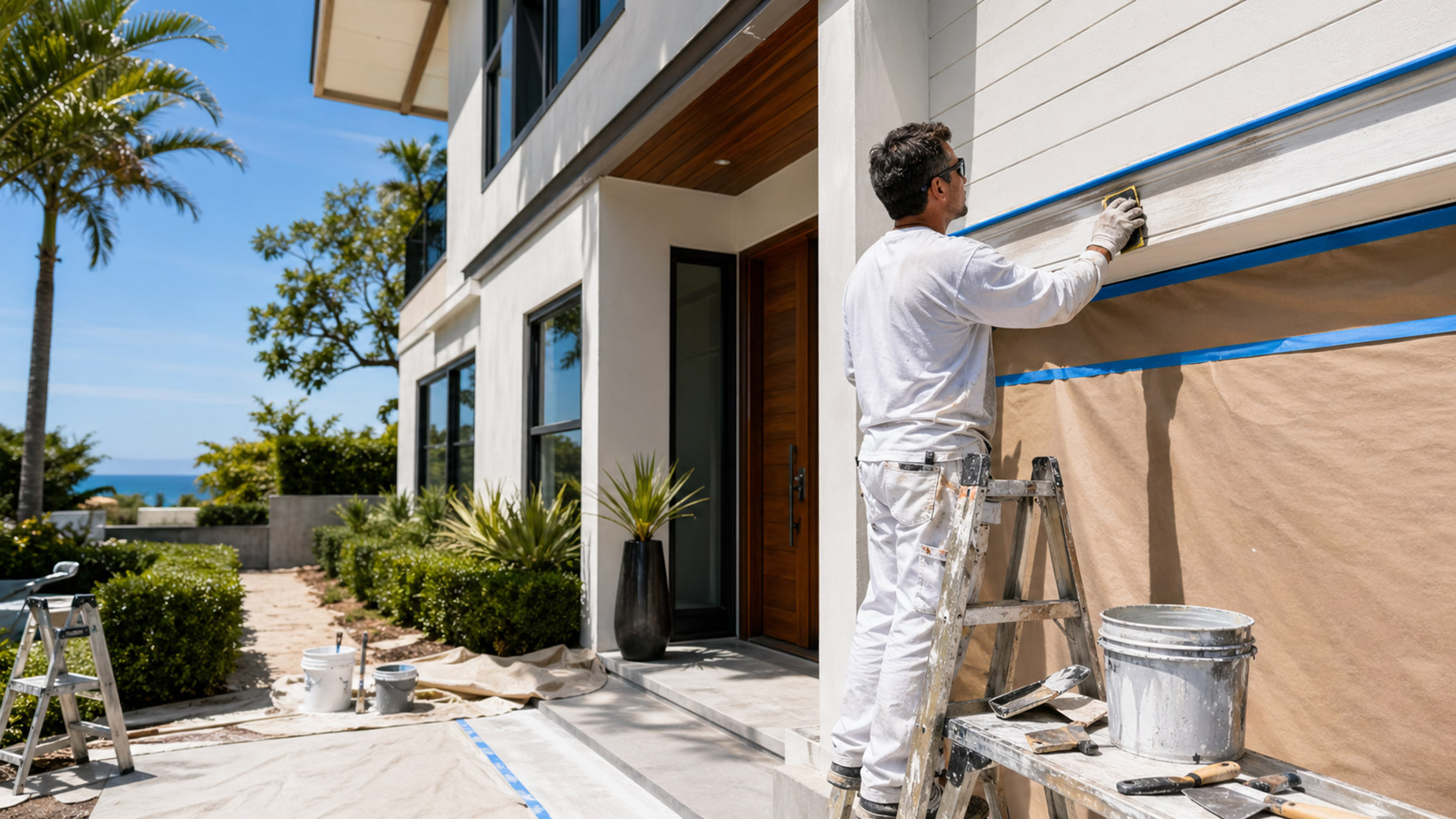
A well-painted home often gets praised for its color, finish, and overall appearance, but what lies beneath the surface plays an even more important role. Surface preparation is one of the most overlooked aspects of any painting project, yet it directly determines how long the paint will last and how good it will look over time. Skipping or rushing this step can lead to premature peeling, uneven textures, and costly repairs.
Many homeowners assume that applying high-quality paint alone guarantees a great result, but that is rarely the case. Even the best products cannot compensate for poorly prepared surfaces, as dirt, moisture, and old coatings interfere with proper adhesion. This is why experienced professionals place significant emphasis on preparation before opening a single paint can.
Understanding the importance of preparation helps homeowners make informed decisions when hiring professionals or planning their own projects. A skilled San Diego painter will often spend more time preparing the surface than actually applying paint, ensuring that every layer bonds correctly and performs as expected for years.
Why Surface Preparation Determines Paint Performance
Paint is designed to adhere to clean, stable, and properly primed surfaces, which means any contaminants or imperfections can compromise its performance. Dust, grease, and mildew create barriers that prevent paint from bonding effectively, leading to bubbling or flaking over time. Even small cracks or uneven areas can become more visible after painting if they are not addressed early.
Preparation also ensures that the paint dries evenly and maintains a consistent finish across all surfaces. Without proper sanding or priming, certain areas may absorb paint differently, resulting in patchy or dull sections. This inconsistency not only affects appearance but also weakens the protective qualities of the coating.
Professionals understand that each surface requires a tailored approach based on its condition and material. This is why a Painter San Diego CA typically evaluates walls, siding, or trim carefully before deciding on the right preparation techniques to use.
Common Steps Involved in Proper Surface Preparation
Preparation is not a single task but a combination of several important steps that work together to create the ideal foundation for painting. Cleaning is usually the first stage, where surfaces are washed to remove dirt, grime, and any biological growth. This step is especially critical for exterior surfaces exposed to the elements.
After cleaning, sanding helps smooth out rough areas and remove loose or peeling paint. This creates a uniform surface that allows new paint to adhere more effectively. Filling cracks, holes, and gaps is another essential step, as it ensures a smooth and even finish once the paint is applied.
Priming is often the final stage of preparation, and it plays a crucial role in enhancing adhesion and durability. A properly applied primer seals the surface, blocks stains, and provides a consistent base for the topcoat, ultimately improving the longevity of the entire paint job.
How Poor Preparation Leads to Costly Problems
When preparation is rushed or ignored, problems tend to appear much sooner than expected. Peeling paint is one of the most common issues, often caused by painting over dirty or unstable surfaces. Once peeling begins, it can spread quickly and require extensive repairs to fix.
Another frequent problem is uneven texture, which occurs when surfaces are not properly sanded or repaired before painting. This can make walls look rough or inconsistent, even if the paint color itself is appealing. Over time, these imperfections become more noticeable and detract from the overall appearance of the home.
Moisture-related issues can also arise when surfaces are not properly treated before painting. Trapped moisture can cause blistering or mold growth beneath the paint, leading to structural concerns that go beyond aesthetics. Companies like PB Painting Pros understand how critical proper preparation is in preventing these long-term issues.
The Role of Professional Expertise in Preparation
Surface preparation requires both knowledge and experience, as different materials and conditions demand different approaches. Professionals are trained to identify potential problems that may not be obvious to the average homeowner, such as hidden moisture damage or incompatible previous coatings. Addressing these issues early prevents complications later in the project.
Professional painters also use specialized tools and techniques to achieve the best results. From power washing equipment to high-quality primers and fillers, these resources allow them to prepare surfaces more effectively than typical DIY methods. This level of precision ensures that the final paint job not only looks great but also lasts longer.
In addition, experienced teams follow a systematic process that minimizes errors and maximizes efficiency. This structured approach helps maintain consistency across all areas of the project, resulting in a polished and professional finish.
Interior vs Exterior Preparation Differences
Interior and exterior surfaces require different preparation strategies due to their unique conditions and challenges. Interior walls are generally less exposed to environmental factors, but they can still accumulate dust, grease, and minor damage over time. Proper cleaning and patching are essential to achieve a smooth and flawless finish indoors.
Exterior surfaces, on the other hand, face constant exposure to weather, sunlight, and temperature changes. This makes preparation even more critical, as surfaces must be thoroughly cleaned and repaired to withstand these conditions. Power washing, scraping, and sealing are commonly used techniques for exterior preparation.
The type of material also influences the preparation process, whether it is wood, stucco, or brick. Each material has specific requirements that must be met to ensure proper adhesion and durability of the paint.
Long Term Benefits of Thorough Surface Preparation
Investing time and effort into preparation pays off in the long run by extending the life of the paint job. Properly prepared surfaces allow paint to adhere more securely, reducing the likelihood of peeling or cracking. This means fewer touch-ups and repainting projects over time, saving both money and effort.
A well-prepared surface also enhances the overall appearance of the finished project. Smooth, even walls and consistent color application create a more polished and professional look. This can significantly improve the visual appeal of a home, both inside and out.
Additionally, thorough preparation contributes to better protection against environmental damage. Paint acts as a barrier against moisture, UV rays, and other elements, but it can only perform this role effectively when applied to a properly prepared surface.
Making Informed Decisions for Your Next Painting Project
Understanding the role of surface preparation helps homeowners set realistic expectations and prioritize quality over shortcuts. While it may be tempting to focus solely on color selection or cost, the foundation of the project ultimately determines its success. Choosing experienced professionals who emphasize preparation can make a noticeable difference in the results.
Homeowners should also ask questions about the preparation process when hiring a painter. Knowing what steps will be taken and why they are necessary provides greater confidence in the project and its outcome. Transparency and attention to detail are key indicators of a reliable service provider.
By recognizing the hidden impact of preparation, homeowners can ensure that their investment delivers lasting value. Whether it is a small interior update or a full exterior repaint, proper preparation remains the cornerstone of a durable and visually appealing finish.
