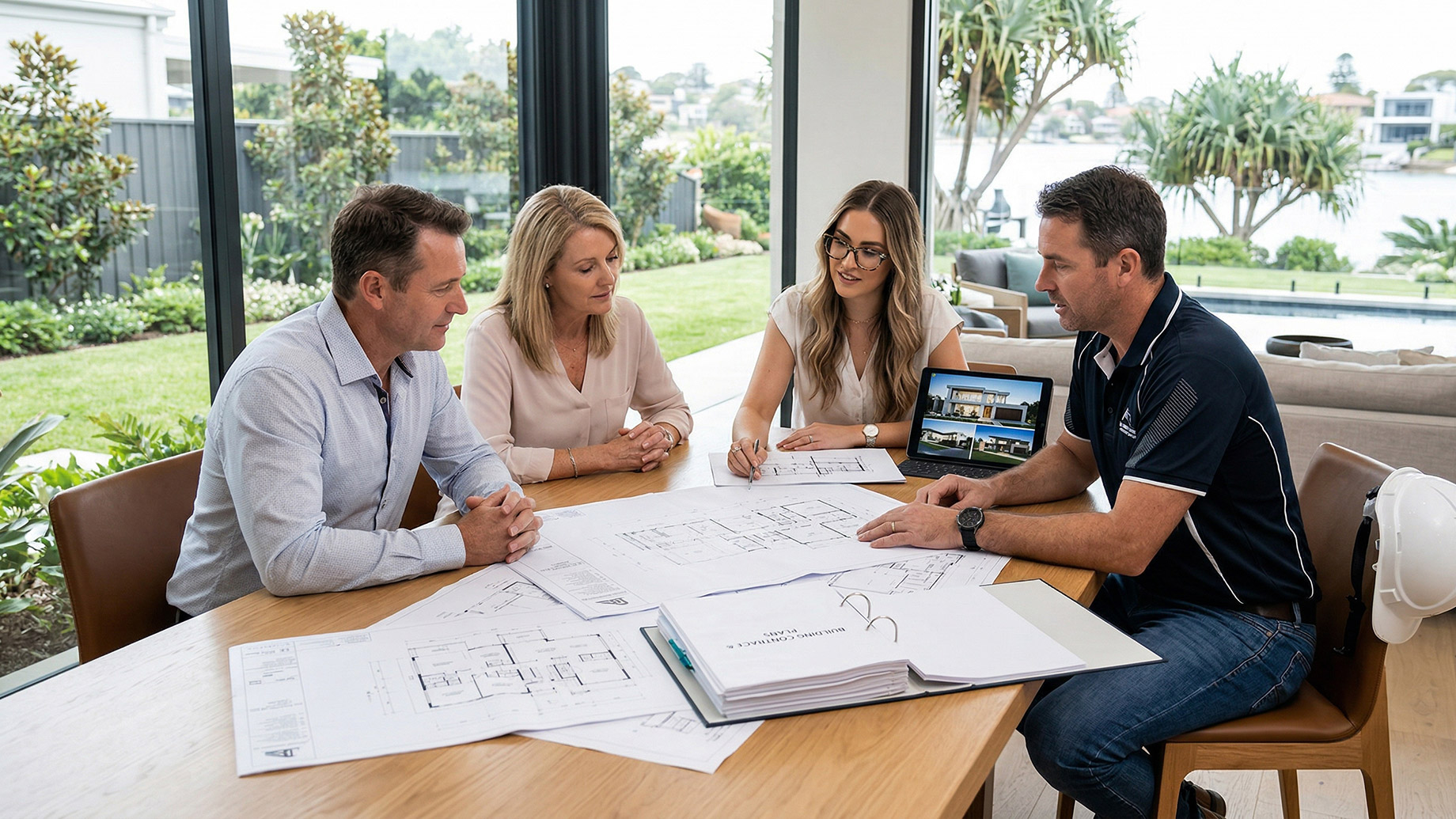
Material delays during construction can cost up to $5,000 per project. This makes proper preparation with your Sydney custom home builders more critical than ever. Pre-construction meetings serve as your foundation for successful project delivery. They bring together you, your Sydney home builder, and your architect to address concerns and establish clear expectations. The pre-construction phase takes four to five months on average. Investing time in preparation pays most important dividends. These meetings help you manage your budget while ensuring everyone arranges on project scope and timelines. We’ve created this piece to walk you through everything you need to know about preparing for your pre-construction meeting, the topics you’ll cover, and the questions to ask your builder.
What is a pre-construction meeting with your Sydney home builder
A pre-construction meeting serves as the critical stage where vital decisions get made before your Sydney home builder breaks ground on your custom home. This meeting brings together everyone involved in your project to establish clear expectations and create a smooth path forward.
When pre-construction meetings take place
The timing of your pre-construction meeting depends on your Sydney custom home builders’ specific practices. Most builders schedule this meeting after you’ve signed the contract and before construction begins. This allows you to finalize details while keeping momentum going.
Some builders take a different approach. They conduct the pre-construction meeting after original base framing is completed and plumbing has been roughed in, when your home reaches the foundation stage. This timing lets you see the physical beginnings of your project while still having flexibility to address concerns before major construction work continues.
Who attends the meeting
Your pre-construction meeting brings together all decision-makers and core team representatives from the construction team. As the homeowner, you should attend along with anyone else who will make decisions about the build.
The builder’s side includes the construction project manager or construction manager who oversees your entire build. The site superintendent, who manages daily construction activities, joins the meeting. You might also meet the leading hand (who guides construction workers on site), architect, engineer, sales agent, or a senior company representative, depending on your project’s scope.
The specific attendees vary based on your project size and complexity. Smaller projects have fewer people at the table, with some team members playing multiple roles. Larger custom builds involve more stakeholders to address specialized aspects of construction.
How long the meeting lasts
Pre-construction meetings can span a full day, though the duration varies substantially based on your preparation level and customization choices. The meeting moves more smoothly if you’ve explored options, reviewed materials, and made preliminary decisions about finishes and fixtures already.
The more confident you are in your selections for color schemes, flooring and cabinetry, the faster the process flows. But if you’re still weighing options or want to make structural adjustments, you’ll need additional time. Some homeowners require follow-up meetings to finalize remaining decisions before construction can proceed.
How to prepare for your pre-construction meeting
Successful pre-construction meetings start with solid groundwork on your end. If you walk into the meeting unprepared, you waste time and risk misunderstandings that can get pricey down the track. Here’s how to set yourself up for a productive discussion with your Sydney custom home builders.
Review your building contract and plans
Your building contract represents a legally binding agreement that governs your entire project. Read through every clause, attachment and referenced document before the meeting. The contract should include final architectural plans (signed and dated), specifications detailing materials and workmanship standards, and inclusions and exclusions schedules. You’ll also find engineering or soil reports.
Pay attention to payment schedules, variation procedures, grounds for delays and warranty coverage. If legal jargon makes sections unclear, have a construction lawyer review the contract before you sign. This upfront investment protects you from unfavorable terms that favor the builder.
Prepare your questions and concerns list
Write down every question and concern off the top of your head. Your list should cover the construction process and communication channels. Include how changes get handled, warranty details and site management procedures. You prevent confusion and disputes later when you address these questions before construction starts.
Gather reference images and material priorities
Create folders showing examples of what you like. Set up sections by room (kitchen, bedroom, bathroom, alfresco) and include images of finishes, fixtures, colors and textures. This visual reference helps your Sydney home builder understand your vision and speeds up material selection discussions.
Confirm your budget limits
Know how much you can spend before entering the meeting. Speak with a mortgage broker to understand your borrowing capacity. Set aside 5-10% of your total build budget as contingency for unforeseen issues like site variations or material price increases. Separate your must-haves from your wants. In reality this makes it easier to reduce costs if your first estimate comes in over budget. Think over where you’ll live during construction, whether renting or staying with family, as this affects your overall financial planning.
Check your timeline and availability
Understand realistic construction timeframes for your project size. Ask your builder about potential delay factors like weather conditions, supply chain disruptions and permit approvals. Clarify your availability for site meetings and decision-making throughout the build process.
Key topics covered in pre-construction meetings
Your pre-construction meeting addresses everything in your build that affects project success. Understanding these topics beforehand helps you participate and make informed decisions.
Project scope and design details
A well-defined project scope allows your Sydney home builder to create accurate cost estimates and prevent scope creep. Vague scope decreases estimate accuracy. Monitoring changes becomes difficult as the project progresses. Your builder will walk through the Work Breakdown Structure and subdivide major deliverables into manageable components. Project performance requirements get established and measured. This ensures any subsequent design matches your objectives. Poor scoping can lead to cost overruns, delayed completion and disputes.
Construction schedule and timelines
A typical custom home build takes 12 to 18 months to complete. Your builder will outline the construction program duration and identify factors that may increase costs, especially when you have a schedule that isn’t optimized or becomes constrained. Site access, slope, design complexity, custom materials, unpredictable weather and council approval delays can stretch your timeline.
Budget breakdown and payment milestones
Victoria caps your deposit at no more than 10% if the total contract price is less than $30,579.80, or 5% if the price exceeds this amount. You’ll pay for completed stages: base (10%), frame (15%), lock-up (35%) and fixing (25%). Domestic building insurance must be provided before you pay the deposit.
Material selections and specifications
Material selection shapes your home’s atmosphere, character and longevity. Your Sydney custom home builders will guide you through curating a palette that balances durability with sustainability. Selections like tiles, tapware, flooring and windows often have 10 to 16 week lead times, then finalizing these early protects your build start date.
Site logistics and access
Your builder will explain how materials, equipment and people move across the jobsite. Site logistics plans include delivery schedules, storage locations, traffic flow, access control systems and waste management areas. Transport logistics must account for council restrictions, especially when you have urban Sydney sites.
Quality standards and expectations
Clear quality specifications prevent disputes and material substitutions. Your contract should reference Australian Standards for structural and safety-critical items, finish specifications for visible surfaces and performance requirements for fixtures. Quality standards determine your building’s durability and long-term maintenance costs.
Essential questions to ask your Sydney custom home builder
Walking into your pre-construction meeting armed with the right questions protects your investment and establishes accountability. These questions help you gage your Sydney home builder’s processes and dedication to transparency.
Questions about the construction process
Your Sydney custom home builders should tell you their average build timeframe and what factors cause delays typically. You need to know if projects often run over time and what exceptions allow them to extend the contract without penalties. Recent clients can speak about their building experience, so request their contact information. You should clarify at what stages inspection of the works is possible and whether a dedicated site supervisor will manage all subcontractors.
Questions about communication and updates
Your main point of contact during construction needs to be clear, and you should know how often progress updates will arrive. Updates might come through weekly site meetings, emails, phone calls, or project management software. You can speak directly to the registered builder responsible for your home, so confirm this.
Questions about changes and variations
Change requests have a specific handling process that you need to understand. Additional costs should require written approval before work proceeds. Cut-off points for modifications exist, and variations affect your timeline and budget in specific ways.
Questions about warranties and defects
The maintenance period duration and warranty coverage need confirmation. Builders in NSW must cover major structural defects for six years and non-structural issues for two years. Their home building compensation insurance details require verification.
Questions about site management
Health and safety processes, contractor management, and site access policies during construction are important topics to discuss.
Conclusion
Pre-construction meetings with your Sydney custom home builders set the foundation for a successful build. We’ve walked you through the whole process, from understanding what happens during these meetings to preparing and asking the right questions. Use this piece to approach your meeting with confidence. You’ll know what to expect and how to protect your investment. Proper preparation now prevents pricey misunderstandings and delays throughout your custom home trip.
