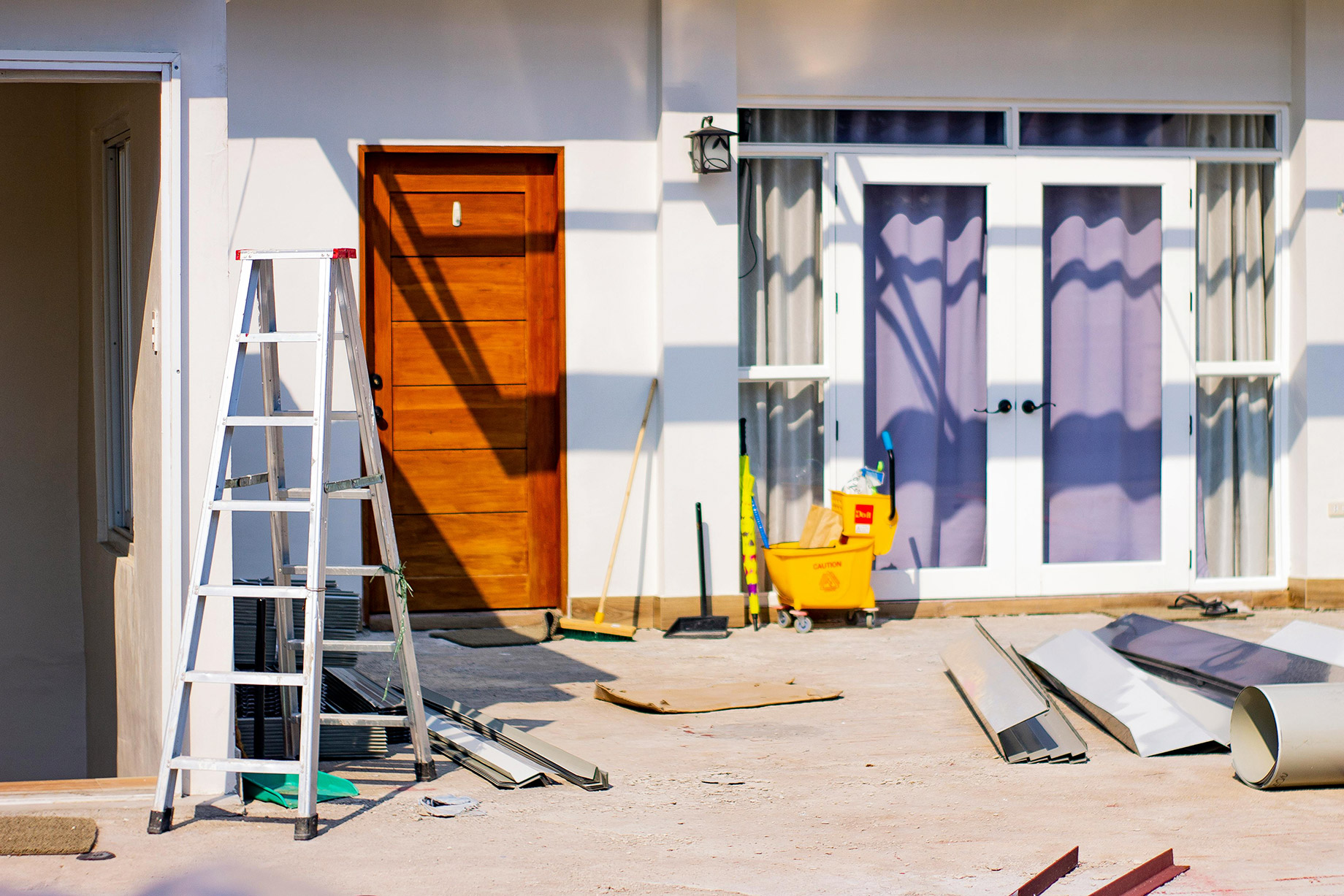
You stand across the street for a second and look at your own house, and something feels off, even if you cannot quite explain it. Nothing is broken exactly, but it does not look as solid or as cared for as it once did.
That feeling tends to build slowly, especially in places where weather does not stay consistent for long. In Austin, heat, sudden rain, and long dry spells all take turns wearing down surfaces that looked fine just a year ago. Paint fades unevenly, siding starts to show age, and small cracks begin to hold attention longer than they should. It does not happen all at once, but over time, the exterior starts shaping how the entire home is perceived.
Siding Upgrades and How They Influence Value
Siding is one of those things most people stop noticing once it is installed, until it starts to fail. It sits there quietly, taking on sun, wind, and moisture without much attention, and when it begins to wear out, it changes the look of the whole house almost overnight.
Replacing or upgrading siding does more than improve appearance. It affects insulation, protection, and even how solid the home feels from the outside. Buyers and neighbors may not point to siding directly, but they react to it without realizing. Clean, well-installed siding makes a home feel stable. Worn or damaged siding does the opposite.
When homeowners begin looking into options, they often find themselves comparing materials, durability, and how the finish will hold up over time. In Austin siding installation services can easily be found. Professionals can offer the guidance you need to make the right choices for your home. It is less about the upgrade itself and more about restoring the structure people expect to see.
Exterior Paint and First Impressions
Paint is usually the first thing people think about when they talk about improving a home’s exterior, but it is also one of the easiest to get wrong. Fresh paint can make a house feel newer, cleaner, even slightly larger. Poor color choices or uneven application can do the opposite.
The value here is not just visual. Paint protects surfaces from moisture and sun exposure. When it starts to peel or fade, it signals neglect, even if everything underneath is still intact. A well-done paint job tends to blend into the home rather than stand out. It supports the structure instead of competing with it. That balance is what adds quiet value, the kind that is felt more than noticed.
Roofing Upgrades and Long-Term Confidence
Roofing does not always change how a home looks from the street, but it changes how it is judged. People assume a roof is either solid or a problem waiting to happen. There is not much middle ground.
An older roof, even if it is still functional, can lower perceived value simply because it suggests future cost. A newer or well-maintained roof removes that concern. It tells people the home has been cared for in ways that are not always visible. This kind of upgrade works quietly. It does not draw attention, but it removes doubt. And removing doubt tends to raise value more than adding something flashy.
Entryways and How They Shape Perception
The front entry is a small part of the home, but it carries more weight than expected. It is where people pause, where they form an impression before stepping inside. Upgrading a door, adjusting lighting, or refining the surrounding space can shift how the entire home feels. It does not require a full redesign. Sometimes it is just better materials, cleaner lines, or more balanced proportions. People do not always notice what changed, but they respond to it. The entry feels more intentional, and that sense carries into how the rest of the property is viewed.
Windows and the Balance Between Form and Function
Windows affect both the look and performance of a home. Old windows can make a house feel dated, even if everything else has been updated. They also affect energy use, which has become more noticeable as costs rise.
Replacing or upgrading windows brings a kind of quiet clarity to the exterior. Lines feel sharper. Surfaces look cleaner. There is also a practical benefit in insulation and noise control, though that is usually felt more than seen. This is one of those upgrades where the value shows up in different ways at once. Visually, structurally, and functionally.
Outdoor Lighting and Subtle Usability
Lighting is often treated as a finishing touch, but it plays a larger role than expected. Poor lighting can make a home feel smaller or less secure. Good lighting extends the usability of the space and improves how the structure is seen after dark.
It does not require dramatic fixtures or complex systems. Simple, well-placed lighting can highlight pathways, soften edges, and make the home feel more complete. This kind of improvement tends to go unnoticed in a direct way. People do not usually comment on lighting. They just feel more comfortable, and that feeling becomes part of how the home is valued.
Landscaping and the Sense of Care
Landscaping is often grouped with decoration, but it signals something more important. It shows whether the property is maintained regularly or left to manage itself. Clean, intentional landscaping frames the home. It guides attention without overwhelming the structure. Overgrown or neglected areas create the opposite effect. They distract, and they suggest deeper issues even when none exist. This is not about adding more plants or features. It is about maintaining balance. Keeping things trimmed, spaced, and aligned with the home itself.
Small Details That Carry Weight Over Time
There are smaller upgrades that rarely get discussed on their own. Gutters, trim, small repairs, surface cleaning. None of these change the home dramatically, but together they shape how it is experienced. Ignoring these details does not cause immediate problems. It creates a slow decline in perception. Taking care of them does the opposite. It builds a sense that the home is being looked after, even when no major upgrades have been made. Over time, these small decisions carry more weight than expected.
Exterior upgrades work in layers. One improvement supports another, and over time, the overall impression shifts. What stands out is not a single change, but the consistency of care. The home feels stable, maintained, and ready. And that is where value grows, not in obvious leaps, but in small, steady adjustments that make the home feel right again.
