Water in the wrong place is one of the most stressful things a homeowner or property manager can face. A burst pipe, a failed sump pump during a heavy rain event, a leak from the unit above, or a backed-up drain can fill a basement or saturate a room in less time than it takes to figure out who to call. And here is the hard truth: what you do, or do not do, in the first few hours after a water event has a significant effect on how much damage you end up dealing with and how much the restoration ultimately costs.
Water damage is not a static problem. It is an active and worsening one. Water moves through flooring, into walls, under baseboards, and into the subfloor. It begins promoting mould growth within 24 to 48 hours under the right conditions. Porous materials like drywall, insulation, and wood framing absorb and retain moisture, and the longer that moisture sits, the more structural and biological damage it causes. Speed is not just helpful; it is one of the most important variables in the entire restoration outcome.
When water damage hits a Toronto property, having access to professional water damage repair and cleanup from a team that responds fast and handles the full scope of assessment, extraction, drying, and repair means you are not managing multiple contractors across a crisis situation. One call gets the process started, and the team handles everything from the first inspection to the final rebuild.
Stop the Source Before Anything Else
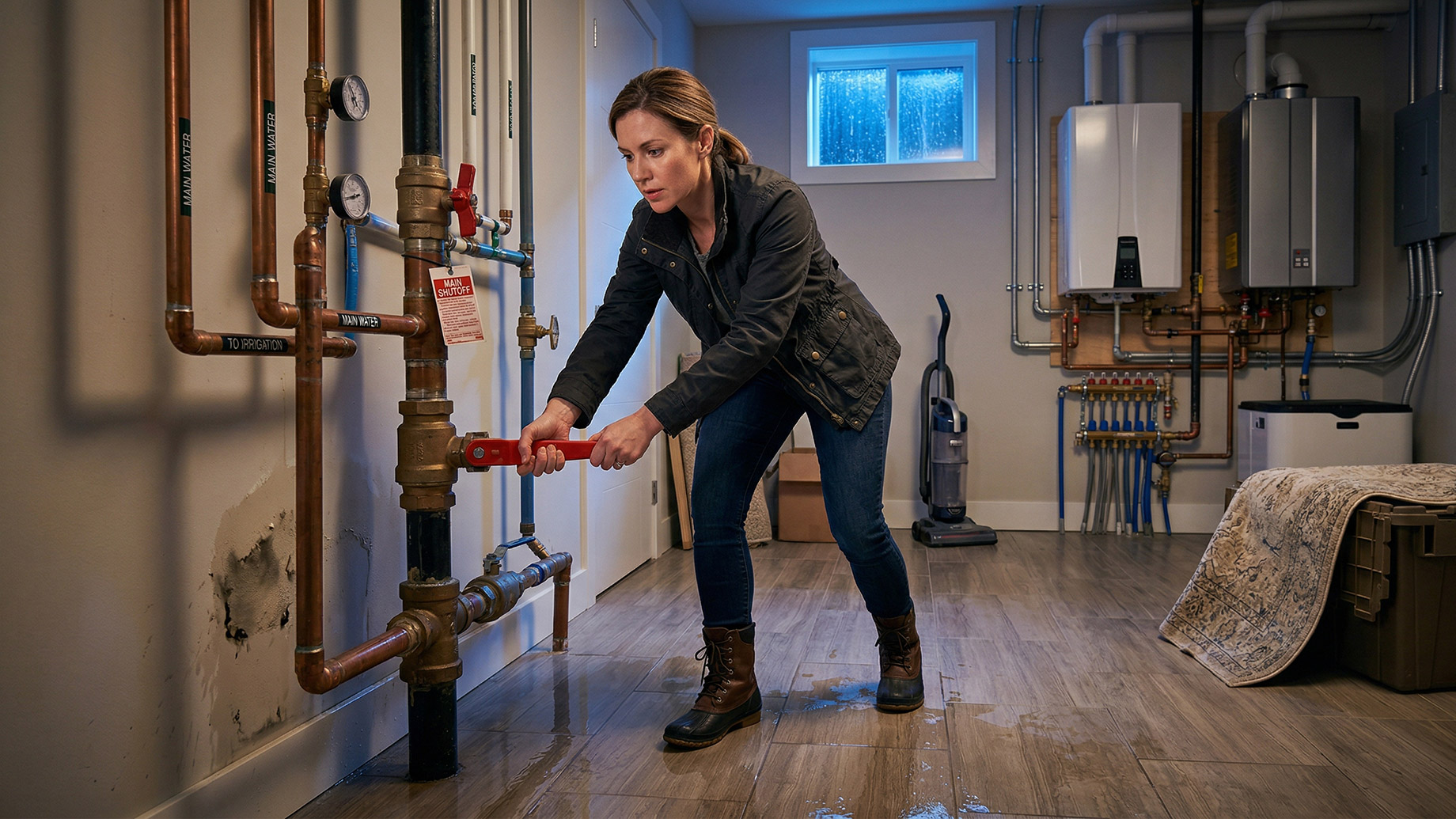
The first action in any water damage situation is to stop the water from continuing to enter. For a burst pipe, that means shutting off the water supply at the isolation valve for the affected fixture or at the main shutoff for the property. For a backed-up drain or sump failure, it means addressing the drainage failure. For a roof or window leak during active rain, it may mean temporary covering rather than full repair, which comes later.
Every minute that water continues to enter is more water to extract, more materials saturated, and more drying time required. The urgency of stopping the source is equal to the urgency of calling for professional help, and ideally both happen simultaneously rather than sequentially.
Safety First: Electricity and Contaminated Water
Water and electricity are a dangerous combination. If there is any possibility that standing water in your home is in contact with live electrical outlets, panels, or appliances, do not enter the affected area and do not attempt to operate electrical switches in that zone. Turn off the electrical supply to the affected area at the breaker panel if you can do so safely from a dry location. If there is any doubt, stay out of the space and let the restoration team assess the safety before anyone re-enters.
The source of the water also matters for safety. Clean water from a supply line is the least hazardous category. Grey water from a washing machine drain or dishwasher contains mild contaminants. Black water from sewage backups, toilet overflows, or significant flooding that has been standing long enough to accumulate biological contamination is a serious health hazard that requires protective equipment and professional remediation. Do not wade through or handle black water without appropriate protection.
What to Move and What to Leave
While waiting for the restoration team, removing items from the affected area reduces further damage. Rugs, furniture, clothing, electronics, and personal items that are not already saturated should be moved to dry areas. Items that are already fully wet are less of a priority to move than items at risk of getting wet if the water spreads further.
Do not attempt to use a regular household vacuum to extract standing water; these are not designed for water extraction and can be damaged or create an electrical hazard. Do not use fans and open windows as a substitute for professional drying equipment if significant water has entered the walls and flooring; surface drying without structural drying leaves moisture inside the materials where it continues to cause damage and promote mould growth invisibly.
The Professional Assessment: What It Covers
When the PropertyWorx team arrives on site, the assessment goes well beyond what is visible to the naked eye. Moisture meters measure the water content in walls, floors, and ceilings to map the full extent of the moisture intrusion, including in areas that do not appear wet on the surface. Thermal imaging can identify temperature differences that indicate hidden moisture behind wall surfaces. This assessment determines the true scope of the damage, which is almost always larger than the visible evidence suggests.
The assessment also informs the drying plan: how many industrial air movers and dehumidifiers are needed, where they need to be positioned, whether any building materials need to come out to allow proper drying of the structural elements behind them, and what the realistic timeline for reaching dry conditions is. This is not guesswork; it is data-driven remediation that produces predictable, documented outcomes.
The Drying Process and Why It Takes Time
Professional drying with industrial equipment is dramatically faster than air-drying, but it is not instantaneous. Drying a water-damaged space typically takes three to five days of continuous equipment operation depending on the volume of water, the materials affected, and the ambient conditions. During this time, the equipment runs continuously, moisture readings are taken daily to track progress, and the drying plan is adjusted based on those readings.
The temptation to declare a space dry before the moisture readings confirm it is a common cause of mould problems that emerge weeks after an apparent restoration. Materials that feel dry to the touch may still contain moisture above the threshold that promotes mould growth. Professional drying is complete when the moisture readings confirm the affected materials are back within acceptable ranges, not when the space looks and feels dry.
The Insurance Process Alongside the Restoration
Water damage is one of the most commonly covered categories in residential property insurance, though the specific coverage depends on the source of the water and the terms of the policy. A burst pipe is typically covered under standard home insurance. Flooding from external sources like heavy rain or overland flow requires specific flood coverage that not all policies include.
PropertyWorx works directly with insurance providers throughout the restoration process, managing the documentation, estimates, and communications that the claim requires. Having a restoration company handle the insurance interface while the remediation work is happening removes the burden of managing a complex administrative process at the same time as a home emergency. The goal is to get your property restored and your claim handled without either one adding more stress than necessary to an already difficult situation.
