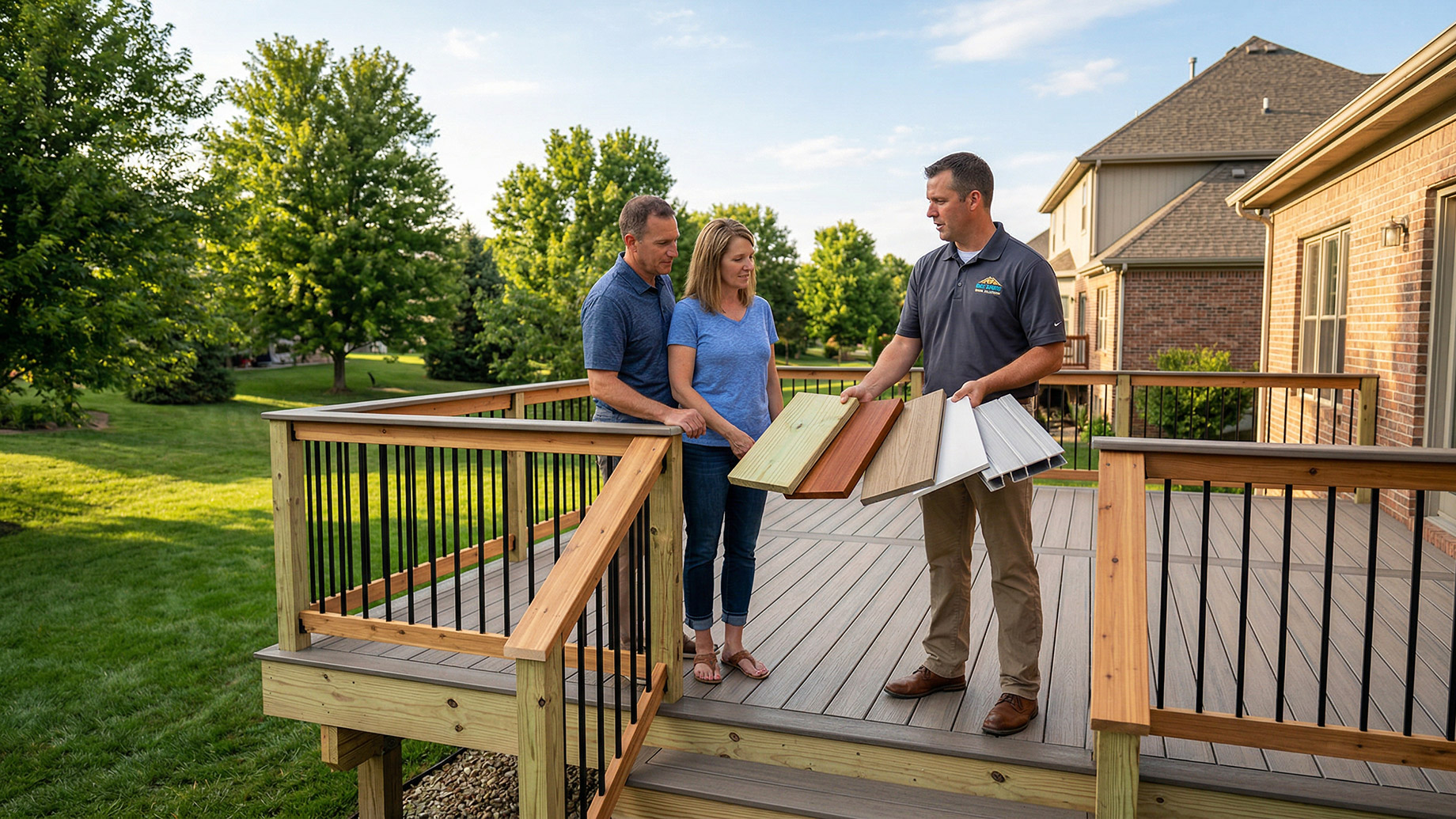
The deck is supposed to be a long-term investment, but most homeowners find themselves having to contend with warping boards, fading finishes, or regular repair jobs within a few years. This is mostly due to the fact that the material choice does not fit the local climatic conditions of Blue Spring or the usage requirements.
With time, the maintenance costs and construction problems may make a mere outdoor upgrade into a frustrating expense. Nevertheless, the proper choice of the material at the initial stage can greatly increase the lifespan of your deck and save on maintenance.
With the right advice and informed decisions, you can build a deck that remains durable, functional, and appealing. This article discusses the materials that are advised by deck contractors in Blue Spring, MO, for long-lasting decks.
1. Pressure-Treated Wood as Reliable Foundation
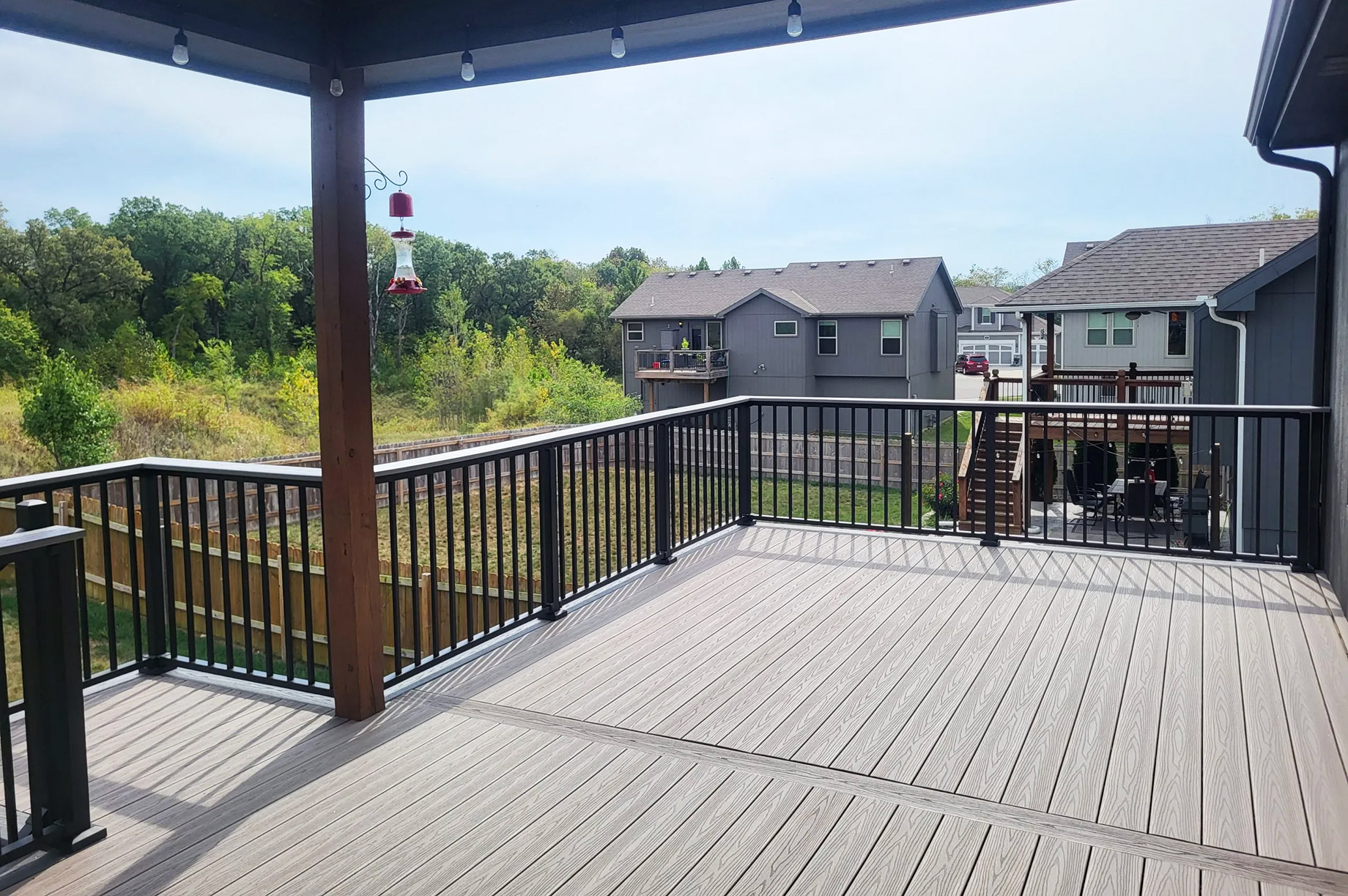
When seeking suggestions from deck contractors Blue Springs MO, pressure-treated wood consistently stands out as a reliable starting option. It is very popular since it is more resistant to rot, insects, and moisture than untreated lumber.
Moreover, this material works well during varying weather conditions, which is important in areas with changes in temperature throughout the year. Although it needs to be sealed and refurbished every now and then, it provides a good balance between affordability and longevity.
Thus, numerous house owners prefer using it in structural framing or even entire deck construction when having a specific budget constraint.
2. Composite Decking for Low Maintenance Durability
Composite decking has gained popularity as an alternative for individuals who desire durability without needing to maintain it regularly. It is a mix of wood fibers and recycled plastics, which doubles its resistance to moisture and fading as well as insect damage.
Compared to traditional wood, composite boards do not easily splinter or crack, and this makes them suitable for families and public outdoor settings. Furthermore, they are less likely to lose their color, which means that no staining or painting is required.
The initial cost is higher, but due to the low maintenance and extended life cycle, it can be a cost-saving solution in the long term.
3. Cedar and Redwood for Natural Resistance
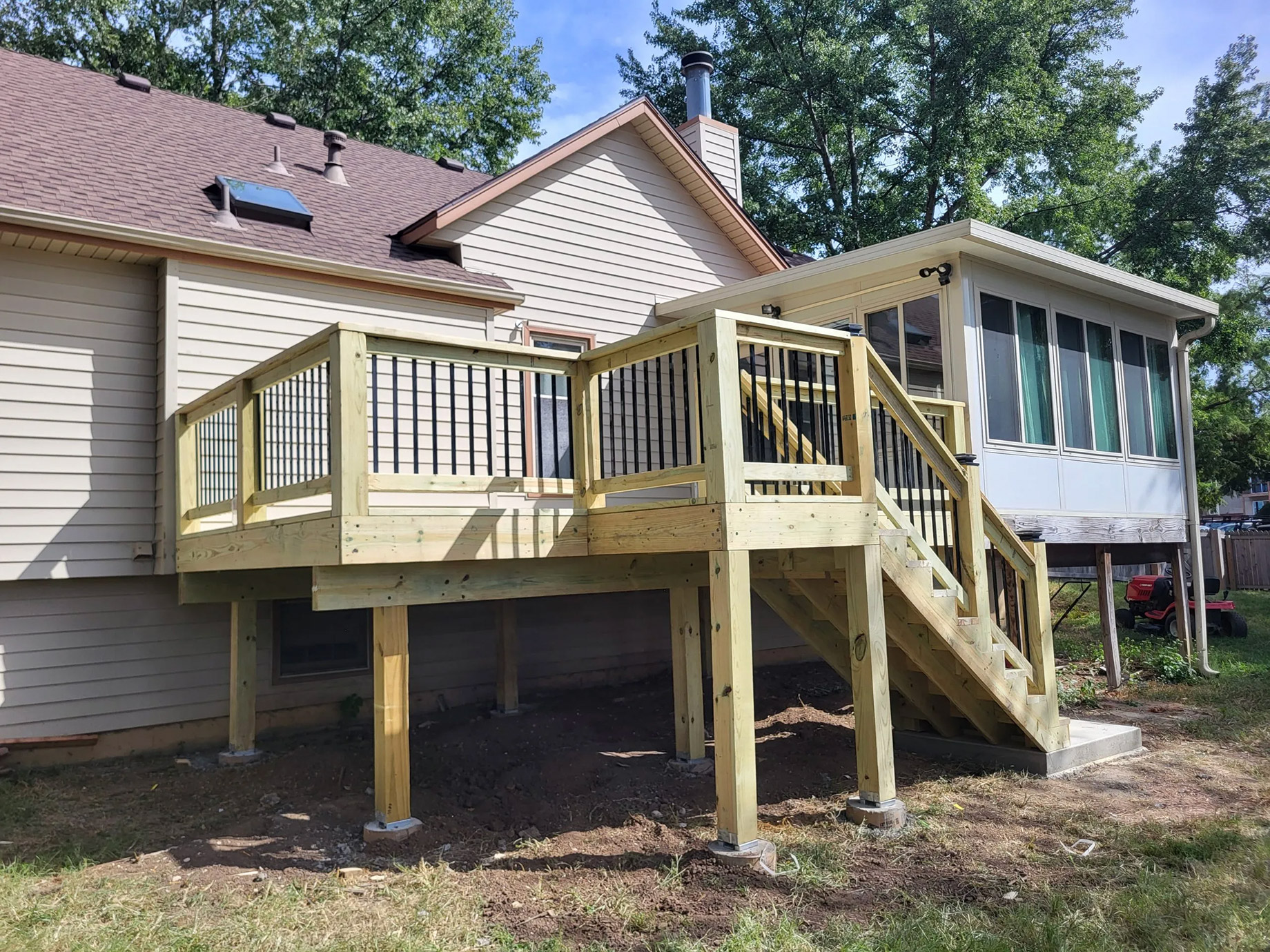
Redwood and cedar are naturally resistant to decay and insects, and that is why they are a good choice when it comes to long-lasting decks. These materials have oils that can provide inherent protection, eliminating the need for chemical treatments.
Simultaneously, they offer a natural, warm look that is preferred by most homeowners. Nevertheless, they still need to be sealed on a regular basis to maintain their colors and prevent weathering.
Both cedar and redwood, when well-maintained, can provide durability and a very elegant look that adds beauty to the outdoor environments.
4. PVC Decking for Moisture Protection
PVC decking is highly resistant to moisture and thus can be used outdoors effectively with long-term usage. It does not absorb water as there are no organic substances, and this prevents problems such as rot, warping, or the development of molds.
This is particularly helpful in places where there is frequent rain or humidity. Moreover, PVC decking needs minimal maintenance as opposed to conventional wood. It does not require staining or sealing, and it is easy to clean using simple care.
However, it might be more expensive initially, but its durability and low upkeep make it a viable option amongst homeowners who emphasize longevity and reliability.
5. Aluminum Decking for Maximum Lifespan
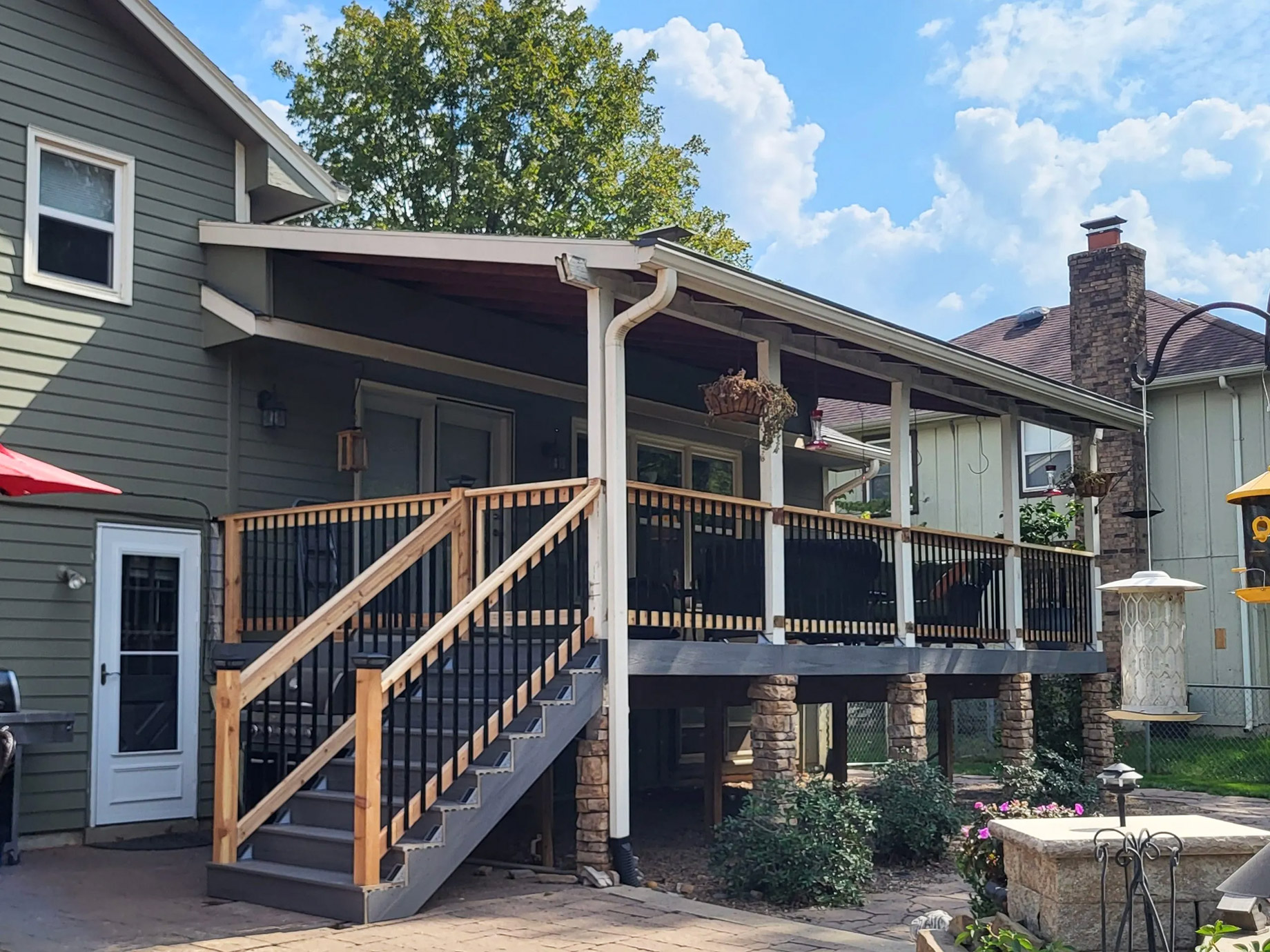
Aluminum decking is a potent option in cases where long-term durability is your priority. It is resistant to constant exposure to moisture, change of temperature, and daily wear, making it tolerant in an outdoor setting with varying conditions.
It retains its shape and strength with time as opposed to traditional materials. Moreover, aluminum does not crack, warp, or decay, thus greatly minimizing the number of repairs or replacements that are required.
This can save you time and the cost of maintenance in the long run. It is also resistant to corrosion, and this contributes to its overall life span.
Another benefit is its slip-resistant surface, which improves safety during rainy or humid weather. Although it does not offer the same natural look as wood, its reliability and low upkeep make it a practical option for lasting performance.
6. Mixed Material Designs for Balanced Performance
Many contractors recommend combining materials to achieve both durability and visual appeal in a single deck design.
For instance, pressure-treated wood is often used for the structural frame due to its strength, while composite boards are installed on the surface to improve resistance to wear and moisture. This combination enhances overall performance without significantly increasing costs.
In addition, using different materials allows you to address specific functional needs in different parts of the deck. High-traffic areas benefit from low-maintenance surfaces, while the structure remains strong and stable underneath.
With careful planning and material selection, this approach creates a deck that handles daily use effectively while maintaining a consistent appearance over time.
Conclusion
Selecting the right deck material directly impacts how long your outdoor space will last and how much effort it will require over time. Each option, from pressure-treated wood to aluminum, offers distinct advantages depending on your priorities, budget, and maintenance preferences.
While some materials focus on natural appeal, others provide superior resistance to weather and wear. Therefore, making an informed decision ensures fewer repairs and better long-term value.
By considering durability, climate compatibility, and upkeep requirements, you can build a deck that remains functional and visually consistent for years without unnecessary complications.
