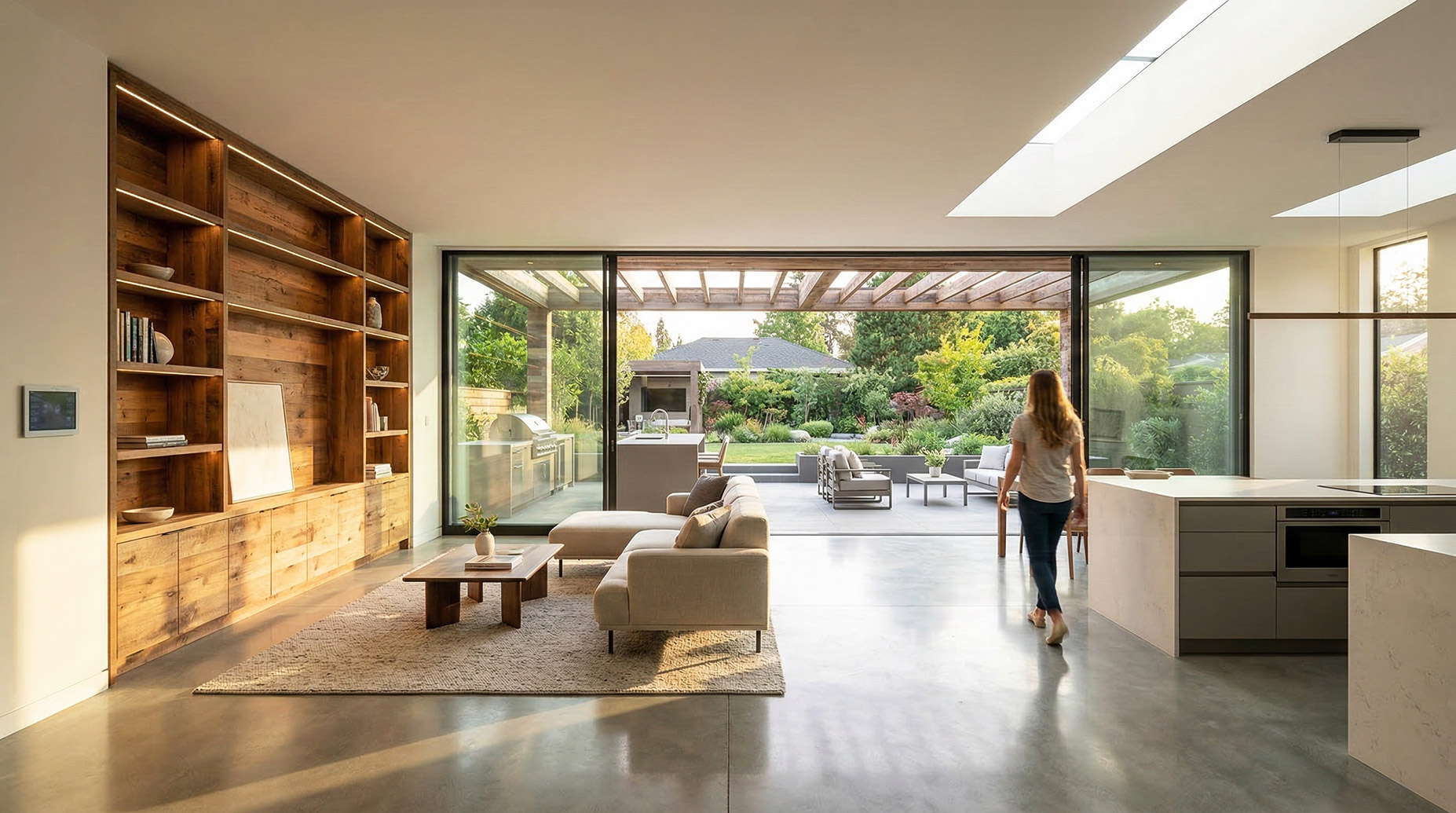
Creating a home that feels both stylish and functional requires a delicate balance of art and engineering. Many homeowners struggle to find the right harmony between beautiful aesthetics and everyday practicality. This is exactly where Sorensen Design steps in to bridge the gap. By focusing on clean lines, smart spatial planning, and innovative materials, Sorensen Design transforms ordinary houses into extraordinary modern sanctuaries. In this article, we explore the core principles that guide their approach. You will learn how expert architectural planning, sustainable material choices, and integrated smart technology come together to elevate modern living spaces.
The Philosophy Behind Sorensen Design
At the heart of every successful home transformation is a clear philosophy. Modern architecture is not just about minimalism; it is about creating spaces that support human well-being. The team at Sorensen Design focuses heavily on flow and purpose. Every room must serve a distinct function while connecting seamlessly to the rest of the house.
Designers often rely on advanced rendering tools like AutoCAD and SketchUp to visualize these connections before construction even begins. This careful planning prevents wasted space and ensures that every square foot offers value to the homeowner. By mapping out daily routines, the design process aligns perfectly with how families actually live.
(Suggested internal link: Read more about our architectural planning process here)
Maximizing Natural Light and Open Flow
One of the most defining characteristics of modern homes is the abundance of natural light. Dark, segmented rooms make spaces feel small and unwelcoming. To counter this, architects prioritize open floor plans and expansive windows. Floor-to-ceiling glass panels and strategically placed skylights draw sunlight deep into the interior.
This reliance on natural lighting reduces the need for artificial fixtures during the day, which lowers energy consumption. It also improves mood and productivity for the people living inside. When interior walls are removed or minimized, air circulates better, and the transition from the kitchen to the living and dining areas feels completely natural.
Integrating Smart Home Technology
Technology plays a massive role in how we interact with our homes. A truly modern space seamlessly integrates tech without letting it dominate the visual landscape. Homeowners now expect climate control, lighting, and security to operate at the touch of a button or a voice command.
Systems like Lutron for automated lighting or Nest for climate management are often woven directly into the architectural blueprints. Designers hide cables and build custom alcoves for smart hubs so the tech remains invisible but accessible. This forward-thinking approach ensures that the home remains highly functional and future-proof.
Sustainable Materials and Eco-Friendly Choices
Environmental responsibility is no longer just a trend; it is a fundamental requirement in building and renovation. Homeowners want beautiful spaces that do not harm the planet. Modern builders heavily utilize sustainable materials, from reclaimed wood flooring to recycled glass countertops.
Energy efficiency is another critical focus. High-performance insulation, low-emissivity (Low-E) windows, and energy-star-rated appliances reduce the home’s carbon footprint. By sourcing local materials whenever possible, architects reduce transportation emissions and support regional economies. These eco-friendly choices result in healthier indoor air quality and lower long-term utility costs.
Balancing Aesthetics with Functionality
A gorgeous room is essentially useless if it does not accommodate everyday life. Storage solutions must be clever and abundant to maintain the clean, uncluttered look that modern design demands. Custom built-in cabinetry and multi-purpose furniture help hide the clutter of daily living.
When you look at a portfolio of completed projects, you quickly see how Sorensen Design masters this exact balance. They integrate flush-mount closets, under-stair storage, and hidden pantry doors. These features keep the visual lines of the house completely uninterrupted while giving families the practical storage space they desperately need.
(Suggested internal link: Explore our gallery of custom storage solutions)
Creating Seamless Indoor-Outdoor Transitions
Modern living spaces rarely stop at the back door. The boundary between the interior and exterior is intentionally blurred to expand the usable footprint of the home. Large sliding or folding glass doors connect the living room directly to patios, decks, or garden spaces.
By using continuous flooring materials—like continuing polished concrete from the kitchen out onto the patio—the two zones feel like one large, unified area. Weather-resistant furniture and outdoor kitchens further encourage families to spend time outside. This integration brings nature closer to daily life, providing a peaceful escape from busy schedules.
Why Sorensen Design Excels in Spatial Planning
Spatial planning is the backbone of any architectural project. If the scale and proportion of a room are off, no amount of expensive furniture will make it feel right. Advanced Building Information Modeling (BIM) software, like Autodesk Revit, allows designers to test different layouts and structural changes virtually.
This rigorous spatial testing guarantees that hallways are wide enough, kitchen triangles are efficient, and bedroom layouts promote restful sleep. The meticulous attention to these structural details ensures the final build is structurally sound and visually stunning. The resulting homes feel tailor-made for the people who inhabit them.
Conclusion
Redesigning a home requires more than just picking out new paint colors and modern furniture. It demands a holistic approach that considers layout, lighting, sustainability, and technology. Sorensen Design brings all these elements together to craft environments that look beautiful and function flawlessly. By prioritizing natural light, smart integrations, and eco-friendly materials, they create spaces that truly elevate daily life. If you want a home that reflects modern elegance while supporting your lifestyle, Sorensen Design offers the expertise and vision needed to make that transformation a reality.
