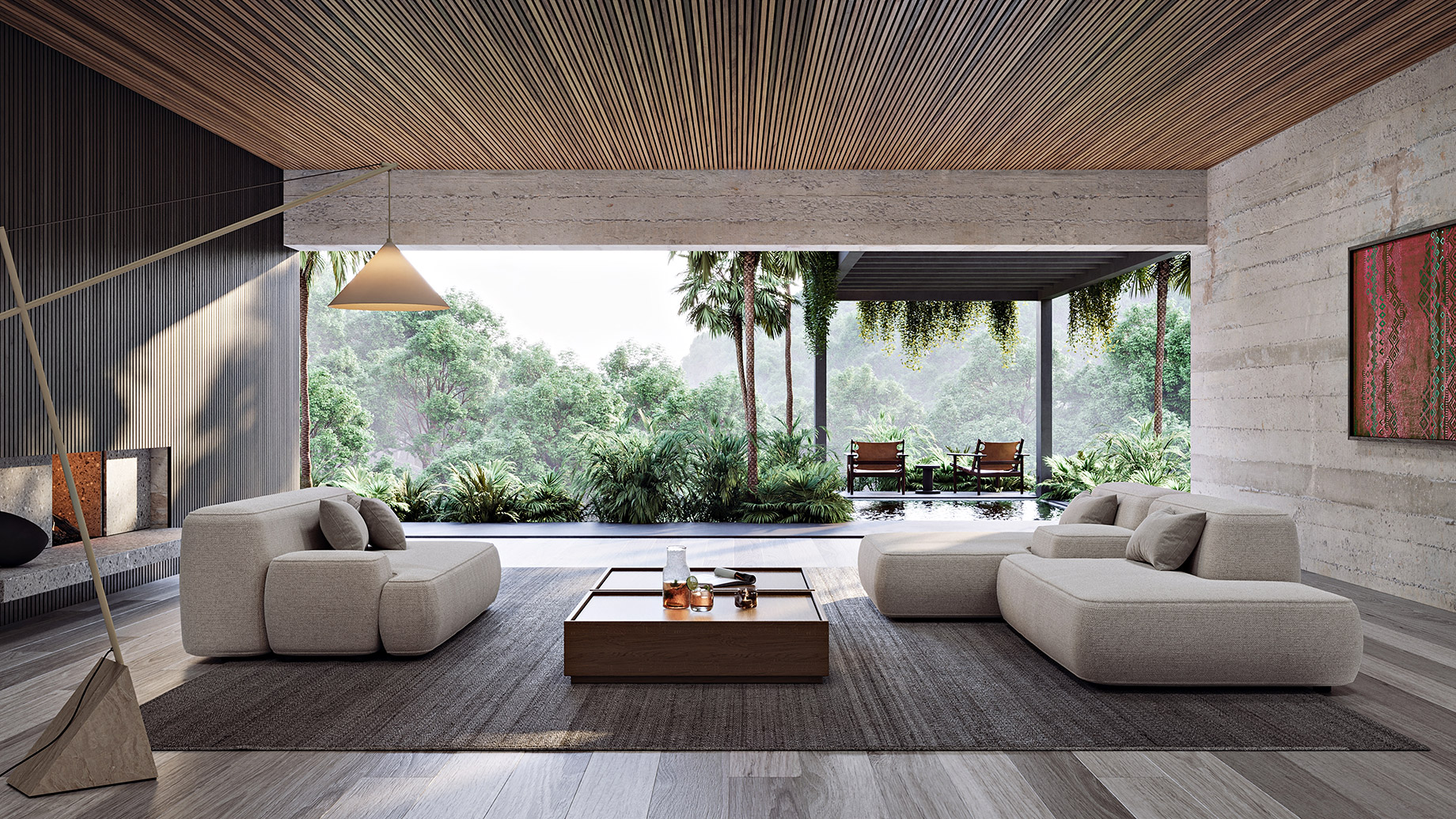
In many luxury homes, the first thing you notice is how quiet the rooms feel underfoot. Footsteps land softly, and the floors look calm instead of busy. That kind of ease usually comes from material choices, not just styling.
You also start seeing a new kind of flex in high end interiors. It is less about rare finishes, and more about materials that age well and feel responsible. That shift is why details like wide floor planks fit naturally in luxury conversations now.
Why Sustainability Reads As Luxury Now
Luxury has always been tied to comfort, and comfort depends on stable materials over time. When surfaces resist dents, scratches, and daily wear, the home keeps its polish longer. That sense of permanence matters more than a short lived trend.
Restraint and transparency carry their own status signal. People want to know what a material is, where it came from, and how it was made. Clear sourcing and smart manufacturing are becoming part of the “good taste” checklist.
Another part is wellness, even if no one says it out loud at dinner. A beautiful interior feels better when it does not smell harsh or off gas for weeks. Finishes, adhesives, and coatings get more attention in premium projects for exactly this reason.
If you have been tracking how luxury design talks about greener materials, you have probably noticed bamboo showing up often. It is regularly mentioned alongside reclaimed wood, recycled metal, and low emission finishes in pieces like eco-friendly materials for condo interiors. The common thread is simple: materials that look refined and live well.
Flooring Sets The Tone For Everything Above It
Flooring is one of the biggest visual planes in any interior, so it subtly controls the mood. Wide boards make a room feel more open because there are fewer seams breaking up the sight lines. They also let furniture and art stand out, instead of competing with a busy grid.
This is where bamboo earns its spot in luxury homes, especially in strand made formats. Strand construction is known for strength, which helps in busy households and entertaining spaces. It is also a practical choice when you want a clean look without babying the floor.
Design wise, natural bamboo tones can read modern, warm, and architectural at the same time. They pair well with plaster walls, stone counters, and soft textured rugs. That mix lands nicely in homes where you want calm rooms that still feel intentional.
There is a practical side too, because wider boards mean your eye notices flaws faster. You want consistent milling, a stable core, and clear install guidance. That is one reason homeowners often compare greener options in roundups like green materials for home renovation, since it frames both looks and performance.
How Sustainable Materials Support Everyday Luxury Living
Luxury is not just the first impression, it is how a space behaves on an ordinary weeknight. Sustainable materials earn their keep here. They are picked for stability, not novelty. When the floor, the counters, and the wall finishes stay consistent through daily use, the whole home reads calmer. That “quiet reliability” is a big part of what makes a room look expensive.
One helpful lens is to think about performance in three buckets, then match each bucket to the room. This keeps the decision grounded, especially when you are comparing natural materials that can look similar in photos. It also helps you avoid overpaying for features that do not matter in your actual routine.
- Wear and impact: entryways, kitchens, kids’ zones, and anywhere shoes show up often
- Moisture and temperature: baths, laundry areas, and rooms with big sun exposure
- Comfort and air quality: bedrooms, nurseries, and spaces where you unwind for hours
In high traffic spaces, surfaces that resist dents and fine scratches keep the “fresh” look longer. In bright rooms, materials that handle sun and seasonal humidity changes reduce the risk of gaps or subtle movement. And in rest focused spaces, low emission finishes can make the home feel cleaner and more breathable. When those factors are handled early, the interior styling feels effortless because the foundation is doing its job.
The Material Story Matters, But So Does The Finish Story
A sustainable material only feels “premium” if the finish holds up in real life. Scratches, dull spots, and uneven sheen can make even expensive rooms seem tired. So it helps to think in layers: the material, the finish, and what keeps both looking sharp.
Rapidly renewable inputs can be part of that story, because they support thoughtful sourcing. Bamboo and cork are often cited as fast growing options compared with slower growing timber species. The University of Chicago Library has a helpful overview of rapidly renewable resources that puts those ideas in plain terms.
The next layer is how the product behaves once it is inside the home. Some finishes look great under showroom lighting, then turn fussy under daily use. In luxury interiors, the best picks usually clean easily and keep a consistent look.
It also helps to match gloss levels to how the room is used. A softer sheen can hide light scuffs and reduce glare on bright days. The difference shows in open plan homes where sunlight hits the floor for hours.
What To Check Before You Commit To Any “Green” Material
Start with the room conditions, because no material is magic in the wrong environment. Humidity swings, direct sun, and heavy foot traffic all change what “durable” really means. It is smart to consider acclimation, subfloor prep, and moisture testing as part of the design plan.
Next, pay attention to indoor air details, especially in tighter modern homes. Some adhesives and coatings can release more VOCs than people expect, even when the surface looks finished. The EPA’s page on VOCs and indoor air quality is a solid reference if you want the basics without marketing fluff.
Third party labels are worth checking where they apply, since they can reduce guesswork. For wood and bamboo products, that might mean checking sourcing claims and emissions related notes. For finishes, it can mean verifying low emission criteria rather than relying on vague wording.
Finally, ask how the material will be maintained five years from now. A luxury interior stays luxurious when upkeep is simple and consistent. If the care plan feels complicated, the “premium” feeling fades faster than you think.
A Practical Way To Think About Luxury And Sustainability
Sustainable materials work best in luxury interiors when they support steady comfort and long wear. Focus on big surfaces first, like floors, then confirm the finish and indoor air details. When those pieces line up, the room looks better now and still feels right later.
