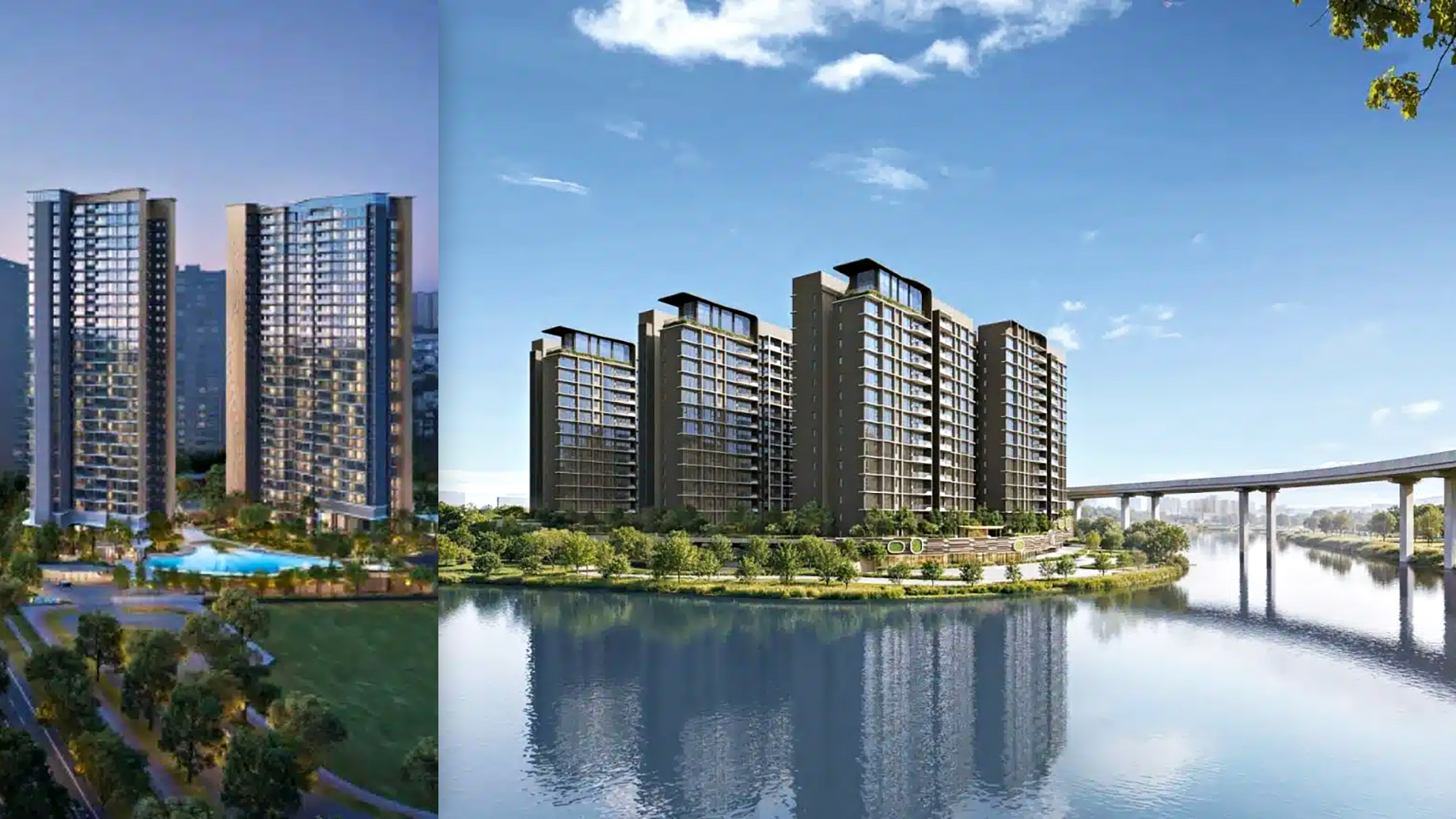
In Singapore’s dynamic real estate market, new launches such as Vela Bay and Tengah Garden Residences represent significant opportunities for homebuyers and investors. These developments, both slated for completion around 2030, cater to distinct preferences in location, lifestyle, and sustainability. This article provides a detailed comparison, highlighting their respective strengths to assist in informed decision-making. As 99-year leasehold condominiums, they embody the evolving demands for connectivity, green living, and value in one of Asia’s most competitive property landscapes.
Overview of Vela Bay
Vela Bay, developed by SingHaiyi Group, is positioned as a landmark project in District 16 along Bayshore Road. This development marks the inaugural private residential launch within the ambitious 60-hectare Bayshore precinct, which aims to transform Singapore’s East Coast into a vibrant waterfront hub. Comprising approximately 515 units across two 31-storey blocks, Vela Bay offers a range of layouts from one- to five-bedroom residences, emphasizing coastal elegance and urban accessibility.
The project’s strategic placement adjacent to the upcoming Bayshore MRT station on the Thomson-East Coast Line (TEL) ensures seamless connectivity to central business districts and key amenities. Residents can anticipate resort-style facilities, including landscaped pools, fitness centers, and communal spaces that blend tranquility with convenience. With an expected launch in April 2026 and temporary occupation permit (TOP) by 2030-2031, Vela Bay appeals to those seeking a mature enclave with immediate access to East Coast Park’s recreational offerings.
Overview of Tengah Garden Residences
Tengah Garden Residences, a collaborative effort by Hong Leong Holdings, CSC Land Group, and GuocoLand, introduces the first private mixed-use condominium in Tengah, Singapore’s pioneering “Forest Town” in District 24. Spanning about 25,456 square meters, this development features around 862 units and integrates 3,000 square meters of retail space, fostering a self-contained community amid lush greenery.
Designed with sustainability at its core, the project incorporates green corridors, urban farming plots, and eco-friendly infrastructure, aligning with Singapore’s vision for smart urban living. Proximity to Hong Kah MRT (a six-minute walk) and future Tengah MRT enhances its appeal, while the expected TOP in 2030 positions it as a forward-looking investment in an emerging township. This development targets families and environmentally conscious buyers prioritizing long-term growth in a nature-integrated setting.
Location and Connectivity: Established Coast vs. Emerging West
Location remains a pivotal factor in property selection, and here the contrast between Vela Bay and Tengah Garden Residences is pronounced. Vela Bay benefits from its East Coast positioning, offering immediate access to established infrastructure. The Bayshore MRT, just 110 meters away, provides direct links to Orchard Road and the Central Business District within 20-30 minutes. Major expressways like the East Coast Parkway (ECP) and Pan Island Expressway (PIE) facilitate efficient vehicular travel, while nearby Siglap and Marine Parade offer abundant dining and shopping options.
In contrast, Tengah Garden Residences is situated in a nascent western township, where infrastructure is still maturing. Current connectivity relies on Hong Kah MRT on the Jurong Region Line, with Tengah MRT expected to bolster access upon completion. While this may involve longer commutes initially—potentially 40-50 minutes to the city center—the planned Jurong Lake District and Tengah’s central car-free zones promise enhanced walkability and public transport efficiency over time.
Key differences in location include:
- Proximity to Nature and Recreation: Vela Bay’s adjacency to East Coast Park supports beachside activities, whereas Tengah emphasizes integrated green spaces like forest corridors for a more immersive eco-experience.
- Urban Maturity: Vela Bay resides in a well-developed area with immediate amenities, reducing reliance on future developments; Tengah, however, offers potential for appreciation as the town evolves.
- Daily Commute: Vela Bay suits professionals needing quick city access, while Tengah appeals to those comfortable with phased infrastructure growth.
Pricing and Investment Potential: Value Propositions Analyzed
Pricing structures reflect the developments’ positioning and land costs. Vela Bay’s units range from S$1.2 million to S$3.75 million, with per square foot (PSF) values between S$2,461 and S$3,000. This premium reflects its high land bid of S$1,388 PSF per plot ratio (ppr) and prime coastal location, making it attractive for rental yields in a tourist-friendly enclave.
Tengah Garden Residences, with a lower land cost of S$821 PSF ppr, offers more accessible entry points: units from S$1.16 million to S$2.5 million, and PSF from S$1,900 to S$2,064. Expected launch prices hover around S$1,870 to S$2,040 PSF, positioning it as a value-driven option for first-time buyers or investors eyeing capital growth in an up-and-coming area.
From an investment standpoint:
- Rental Demand: Vela Bay’s proximity to expatriate hubs and leisure spots may yield higher immediate returns, estimated at 3-4% annually.
- Appreciation Potential: Tengah’s role in Singapore’s sustainable urban blueprint could drive long-term value, especially as amenities like schools and retail hubs materialize.
- Affordability: Tengah provides larger quantum options at lower PSF, ideal for families; Vela Bay’s higher pricing targets discerning buyers seeking prestige.
Features and Amenities: Tailored for Modern Lifestyles
Both projects prioritize resident well-being through comprehensive facilities, yet their emphases differ. Vela Bay embodies waterfront luxury with resort-inspired amenities, including infinity pools, sky terraces, and fitness suites that capitalize on sea views. Its design integrates smart home technologies and communal areas for social interaction, enhancing the coastal living narrative.
Tengah Garden Residences, conversely, focuses on eco-innovation. Features such as rainwater harvesting, solar panels, and community gardens promote sustainability, complemented by retail podiums for on-site conveniences. Open layouts maximize natural light and ventilation, aligning with Tengah’s car-lite ethos and fostering a communal, health-oriented environment.
Comparative highlights:
- Sustainability Integration: Tengah leads with urban farming and green tech, while Vela Bay emphasizes energy-efficient designs within a waterfront context.
- Community Focus: Both offer clubhouses and play areas, but Tengah’s mixed-use element adds retail vibrancy absent in Vela Bay’s residential-only setup.
- Unit Variety: Vela Bay provides premium finishes for upscale appeal; Tengah prioritizes functional, family-centric spaces.
Lifestyle and Sustainability: Aligning with Future Trends
Lifestyle considerations underscore the choice between these launches. Vela Bay promotes a balanced, leisurely pace with easy access to beaches, cafes, and international schools, suiting urban professionals and families valuing heritage and convenience. Its integration into the Bayshore masterplan ensures enduring appeal amid Singapore’s coastal rejuvenation.
Tengah Garden Residences champions a forward-thinking, eco-conscious lifestyle. As part of Singapore’s first smart town, it incorporates district cooling systems and smart energy management, appealing to environmentally aware residents. The emphasis on biodiversity and community events positions it as a model for sustainable urbanism, though buyers must weigh the town’s developmental stage.
In summary, Vela Bay excels for those prioritizing established connectivity and coastal prestige, while Tengah Garden Residences offers affordability and sustainability in a burgeoning locale. Both align with Singapore’s property trends toward green, accessible living, making them compelling options for diverse buyer profiles.
