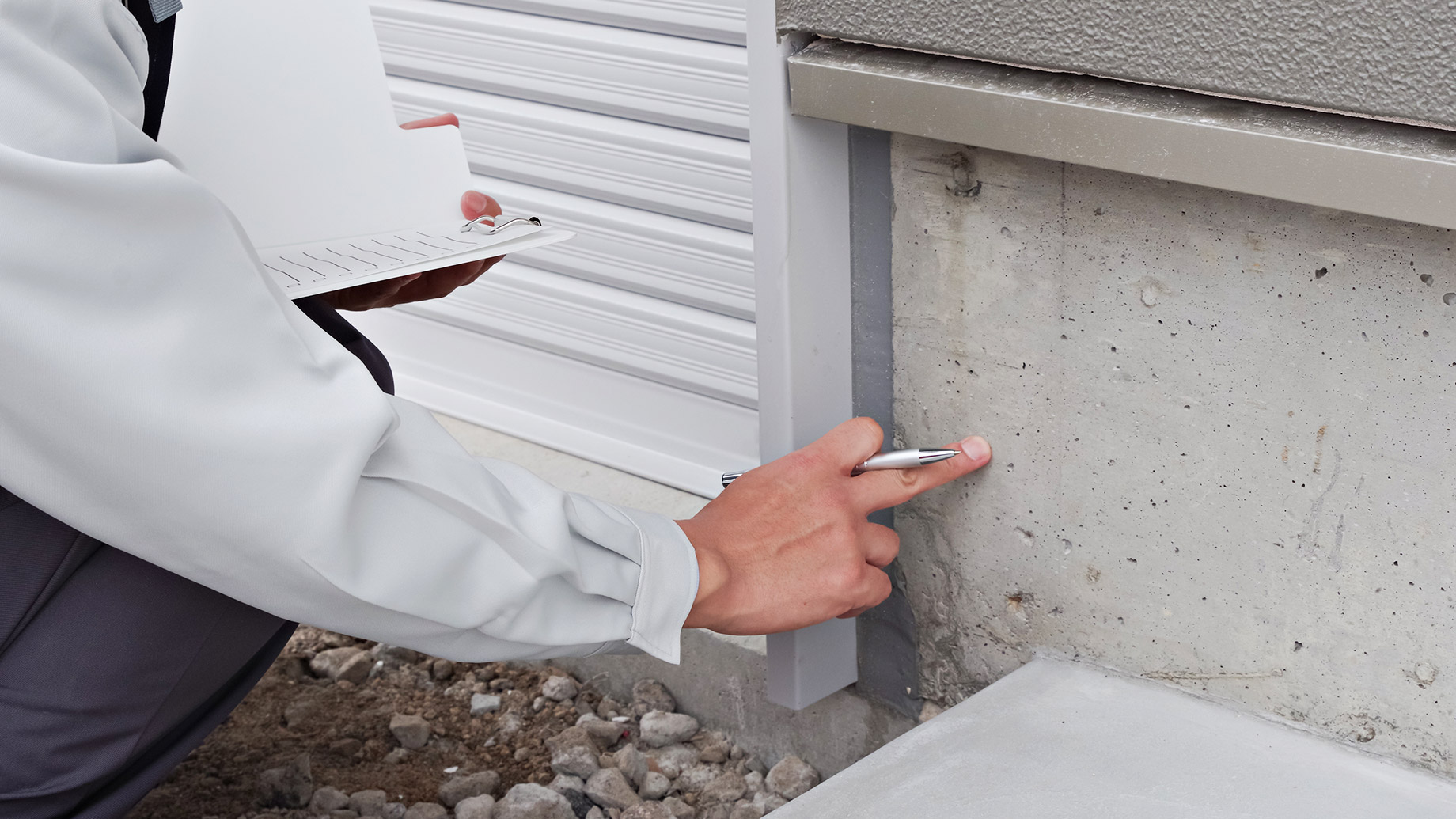
A safe home does not happen by accident. It is created through small, consistent decisions that prevent problems before they begin. Many homeowners focus on visible cleanliness or decorative improvements, yet true safety depends on structural integrity, environmental stability, and proactive maintenance.
Preventive home care is not simply about avoiding inconvenience. It is about protecting health, reducing risk, and ensuring that the living space remains secure over time.
The Foundation of a Healthy Home
Every home is exposed to external pressures. Weather changes. Moisture fluctuations. Natural wear and tear. Small cracks form. Seals weaken. Ventilation systems accumulate dust. None of these issues seem urgent at first, yet they gradually create vulnerabilities.
Gaps around windows and doors allow drafts and pests to enter. Minor plumbing leaks create damp conditions behind walls. Poor ventilation encourages condensation, which can lead to mould growth. Each of these factors affects indoor air quality and structural safety.
Preventive care begins with awareness. Regularly checking high risk areas such as basements, lofts, kitchens, and utility spaces allows small concerns to be addressed before they escalate.
The Importance of Early Intervention
One of the most common mistakes homeowners make is waiting until a problem becomes obvious. A faint scratching sound may be ignored. Small droppings may be dismissed as insignificant. Structural gaps may remain unsealed for months.
Delaying action allows minor issues to expand quietly. By the time visible damage appears, repairs are often more extensive and costly.
When early signs of pest activity or structural vulnerability emerge, consulting a professional pest exterminator ensures that the issue is evaluated thoroughly. Professional assessment goes beyond surface treatment. It identifies entry points, nesting areas, and environmental conditions that contribute to recurring problems.
Early intervention protects both the property and the people living inside it.
Moisture Control and Structural Protection
Moisture is one of the most common contributors to household deterioration. It weakens wood, damages insulation, and creates ideal conditions for mould and insects. What appears as a minor water stain today can develop into significant structural damage tomorrow.
Repairing leaks promptly, ensuring proper drainage around the foundation, and maintaining functional gutters are essential practices. Ventilation in kitchens and bathrooms reduces humidity buildup. Dehumidifiers in damp areas provide additional protection where necessary.
When moisture is controlled, the home becomes less attractive to unwanted intruders and less vulnerable to decay.
Air Quality and Indoor Health
Indoor air often contains more pollutants than people realize. Dust, allergens, mould spores, and microscopic debris circulate continuously. Without proper maintenance, ventilation systems can distribute these particles throughout the home.
Replacing filters regularly, cleaning ducts when necessary, and allowing fresh air circulation contribute to a healthier environment. Preventive home care recognizes that comfort and health are closely linked.
Families who prioritize these habits often experience fewer respiratory irritations and reduced allergen exposure.
Preventive Strategies That Strengthen Home Safety
Creating a safer living environment requires a system rather than a reaction. Sealing cracks in foundations and exterior walls reduces exposure to pests and moisture. Storing waste securely limits attraction. Keeping storage areas organized prevents hidden infestations from developing unnoticed.
Professional pest control can also play a preventive role rather than a reactive one. Routine evaluations and targeted treatments reduce the likelihood of large scale infestations that threaten hygiene and structural integrity.
Preventive strategies are not dramatic. They are steady and deliberate. Their value becomes clear over time, as problems fail to appear rather than repeatedly returning.
Protecting What Matters Most
A home is more than a physical structure. It is where families rest, recover, and spend the majority of their time. When environmental conditions are stable and hazards are minimized, peace of mind follows naturally.
Preventive home care strengthens that sense of security. It reduces the risk of contamination, limits structural deterioration, and supports healthier indoor air. It also protects financial investment by minimizing unexpected repair costs.
Small inspections. Timely repairs. Professional guidance when needed. These actions build resilience into the home.
A Long Term Commitment to Safety
Safety is not a one time achievement. It is an ongoing commitment. Homes age, seasons change, and new vulnerabilities emerge. Consistent monitoring ensures that small concerns never evolve into major threats.
By prioritizing preventive home care, homeowners shift from reacting to problems toward actively preventing them. This proactive mindset preserves comfort, supports health, and reinforces the protective role a home is meant to provide.
Creating a safer living environment is not about perfection. It is about responsibility, awareness, and steady maintenance that keeps risks low and wellbeing high.
