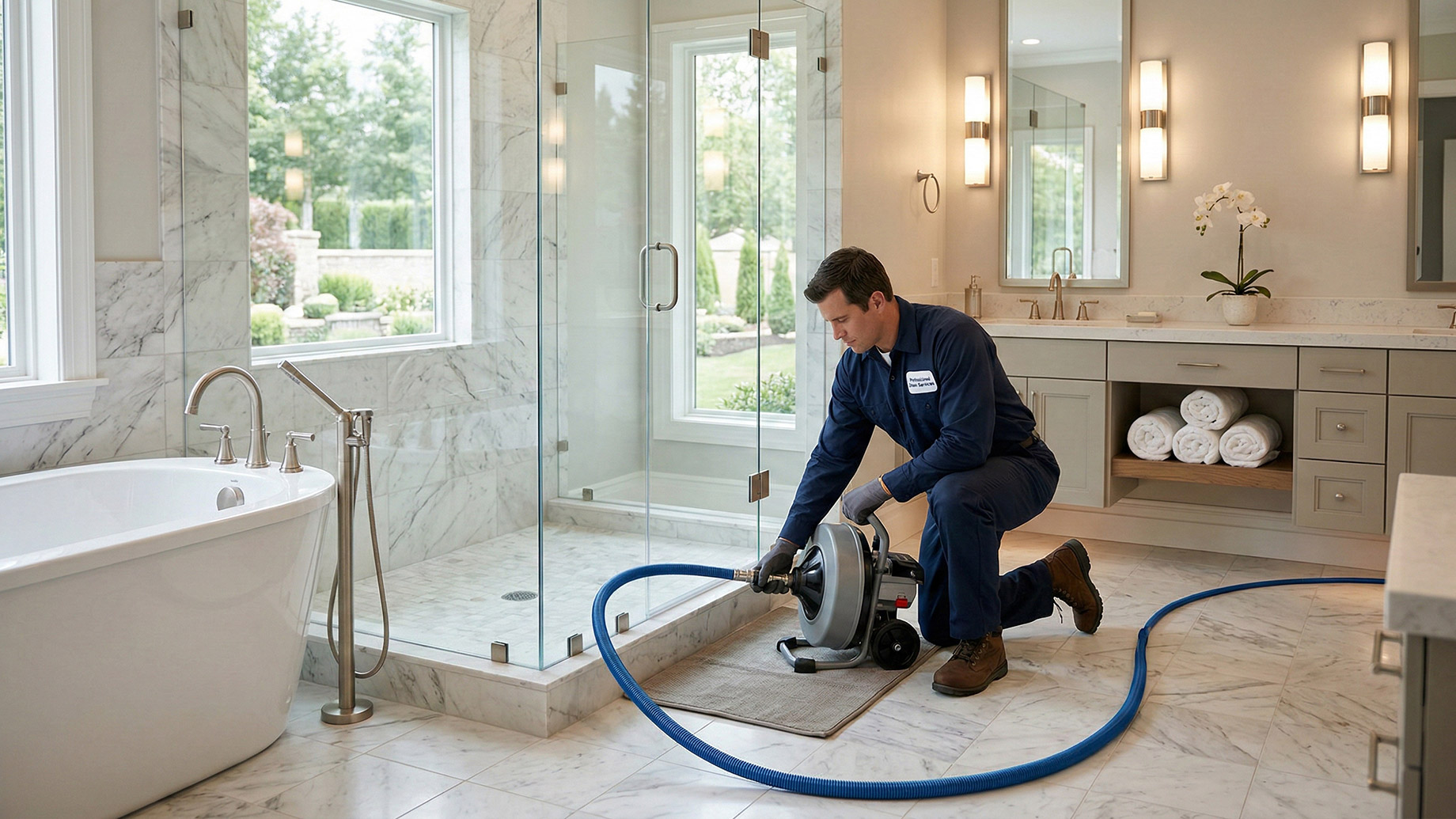
Drain issues rarely appear at convenient moments. A sink that refuses to empty, a toilet behaving unpredictably, or a shower slowly filling with standing water can quickly disrupt daily routines and create unnecessary stress. Beyond the inconvenience, homeowners often face uncertainty about the cost, urgency, and best course of action.
When drainage problems escalate, timely professional intervention can prevent water damage, protect plumbing infrastructure, and restore comfort to the home. Understanding what causes emergency blockages, and how to respond effectively, helps homeowners make informed decisions when problems arise.
Why Emergency Drain Blockages Require Professional Attention
Minor clogs may occasionally respond to household remedies, but persistent drainage issues often indicate deeper plumbing complications. Common causes of emergency blockages include:
- Grease and soap buildup
- Hair and organic debris accumulation
- Foreign objects lodged in pipes
- Mineral deposits from hard water
- Tree root intrusion into sewer lines
- Structural pipe damage or collapse
Professional drain cleaning services rely on specialized equipment such as mechanical augers, hydro-jetting systems, and camera inspections to diagnose and eliminate blockages at their source. This approach not only restores flow but also reduces the likelihood of recurring problems.
Additionally, frequent reliance on harsh chemical cleaners can weaken pipe materials over time, making professional methods a safer and more sustainable solution.
Signs You’re Facing a Drain Emergency
Not all clogs require immediate service, but certain symptoms indicate a more serious issue that warrants professional attention:
- Multiple drains slowing simultaneously
- Water backing up into sinks, tubs, or showers
- Unpleasant odors emerging from drains
- Gurgling sounds within plumbing fixtures
- Recurring clogs despite DIY attempts
- Visible standing water or overflow
Recognizing these warning signs early can help prevent property damage and avoid costly repairs.
Professional Methods Used to Resolve Blockages
Modern drain cleaning professionals utilize advanced techniques designed to provide effective and lasting results:
- Mechanical Snaking: Flexible augers break through stubborn obstructions and restore flow in localized blockages.
- Hydro-Jetting: High-pressure water streams remove grease, debris, and mineral buildup from pipe walls, offering a deep and thorough clean.
- Camera Inspections: Video technology allows technicians to identify root causes such as cracks, root intrusion, or severe buildup without invasive excavation.
- Preventative Maintenance Cleaning: Routine service helps remove early-stage buildup and prolong the lifespan of plumbing systems.
How to Choose the Right Drain Cleaning Professional
Selecting a qualified service provider is essential for achieving lasting results. Key factors to consider include:
- Availability of emergency services
- Transparent pricing and clear service explanations
- Use of diagnostic equipment such as cameras
- Capability to perform advanced cleaning methods like hydro-jetting
- Positive customer feedback and reputation
- Licensing, insurance, and professional credentials
Taking time to evaluate these elements can help homeowners avoid repeat service calls and unexpected costs.
Preventing Future Drain Emergencies
While not all blockages are avoidable, simple preventative habits can significantly reduce risk:
- Avoid disposing of grease or food scraps down drains
- Use drain screens to catch hair and debris
- Flush drains periodically with hot water
- Schedule professional maintenance for older plumbing systems
- Consider water softening solutions in hard water regions
Preventative care helps preserve pipe integrity and minimizes the likelihood of sudden disruptions.
Conclusion
Drain emergencies can be frustrating, disruptive, and time-sensitive, yet they are often manageable with prompt and informed action. Recognizing warning signs, understanding the causes of blockages, and relying on professional expertise when necessary can transform a stressful situation into a straightforward resolution.
By combining preventative habits with access to skilled professionals equipped with modern technology, homeowners can protect their plumbing systems, maintain comfort, and ensure reliable drainage performance over the long term.
