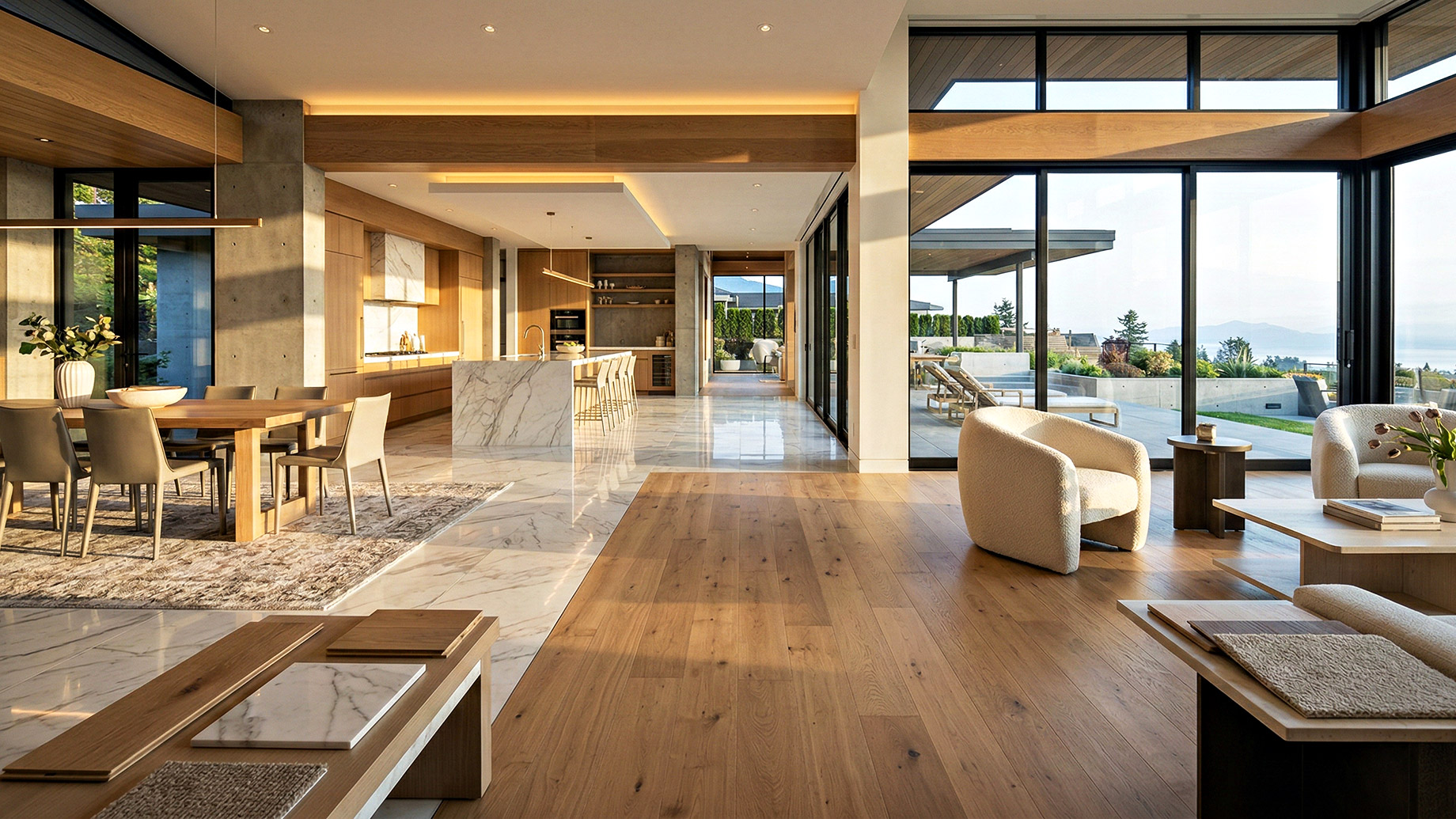
Have you ever stood in the middle of a room and wondered why it just does not feel right? The paint may look perfect. The furniture may be stylish. Yet something underfoot quietly shapes the mood more than anything else. Flooring sets the stage for daily life, from busy mornings to late night conversations. In a time when homes double as offices, gyms, and classrooms, that surface matters more than ever. Real estate trends show buyers paying close attention to what lies beneath their feet. Social media tours now zoom in on planks and patterns as much as countertops.
Choosing wisely is no longer just about style. It is about function, comfort, and long term value. In this blog, we will share practical strategies that help match each room with flooring that supports how people truly live.
Understand Materials Without Getting Lost in Jargon
Flooring choices can feel overwhelming, with timber, laminate, hybrid, carpet, and other options lining showroom walls. Technical terms sometimes sound like a science class. It helps to strip things down to basics.
Wood offers warmth and natural character. It can raise home value and appeal to buyers. Laminate mimics wood while offering strong scratch resistance. Hybrid and rigid options often provide waterproof protection. Carpet adds softness and helps reduce noise.
When comparing flooring products, focus on three simple questions. Is it durable enough for this room? Is it comfortable underfoot? Will it handle spills or humidity? Many brands highlight advanced cores and protective layers. Instead of memorizing every feature, picture real life scenarios. Imagine a dropped pan in the kitchen. Imagine a dog racing across the hallway. Practical thinking cuts through marketing noise quickly.
Plan for Moisture and Climate Realities
Weather patterns have become less predictable in recent years. Flooding and heavy storms appear more often in headlines. Even in calm regions, humidity changes throughout the year. Flooring must handle these shifts quietly.
Bathrooms, kitchens, and laundry rooms face daily moisture exposure. Waterproof or water resistant materials perform well here. Basements also need special attention. Ground level rooms can trap humidity that damages traditional wood.
Climate control plays a role too. Heated floors and strong air conditioning affect how materials expand or contract. Choosing a surface built for stability protects against warping. A little planning now prevents costly repairs later. No one enjoys replacing floors after a minor leak becomes a major issue.
Balance Style with Long Term Value
Trends move quickly. One year favors gray tones. The next celebrates warm oak shades. Social media feeds may tempt homeowners to chase every new look. Yet flooring lasts longer than paint or decor.
Neutral tones often provide flexibility. They allow furniture and art to change without clashing. Bold patterns can shine in smaller spaces like powder rooms. Large open areas benefit from timeless designs.
Real estate data shows buyers notice cohesive flooring throughout a home. Mixed surfaces in every room may create visual chaos. Strategic planning considers future resale potential. Even if selling feels far away, value matters. Choosing style with foresight prevents regret when trends shift again.
Consider Comfort and Sound in Shared Spaces
Modern households juggle many activities under one roof. Children attend virtual classes. Adults take conference calls. Streaming services fill evenings with background noise. Sound control becomes more important each year.
Hard surfaces reflect sound easily. Large rooms with high ceilings amplify echoes. Carpet or acoustic underlays reduce that bounce. Bedrooms and upstairs hallways benefit from quieter materials.
Comfort matters too. Standing for long periods in kitchens strains feet and backs. Slight cushioning in certain surfaces reduces fatigue. Think of flooring like shoes. The wrong pair looks great but hurts after an hour. The right choice supports daily movement without complaint.
Think About Maintenance Before Installation Day
Imagine buying a white couch with two toddlers at home – it might look stunning. But cleaning it becomes a constant battle. Flooring works the same way.
Some materials require regular sealing or refinishing. Others wipe clean with simple mopping. Households with pets need scratch resistance and easy cleanup. Busy families benefit from low maintenance surfaces.
Time is valuable. Many people now work longer hours or juggle multiple commitments. Spending weekends on floor care rarely excites anyone. Planning for realistic upkeep keeps stress levels lower. The goal is a space that supports life, not one that demands constant attention.
Coordinate Flooring with Lighting and Room Size
Light transforms how floors appear. Natural sunlight highlights grain patterns. Artificial lighting can shift color tones dramatically. Testing samples in the actual room prevents surprises.
Smaller rooms often feel larger with lighter shades. Darker tones create drama but may shrink visual space. Open floor plans benefit from continuity. Using the same surface across connected rooms creates flow.
Recent design trends favor seamless transitions. They make homes appear calmer and more organized. Strategic planning views the house as one connected environment. Each room has personality, yet harmony ties them together.
Budget Wisely Without Cutting Corners
Budget discussions can feel uncomfortable. Yet they shape every renovation. Spending too little may lead to early replacement. Overspending in low traffic areas may waste resources.
Allocate more funds to spaces used most often. Entryways, kitchens, and living rooms deserve durable investments. Guest rooms may allow more flexibility. Balance cost with expected wear.
Economic uncertainty has made homeowners cautious. Many seek smart upgrades that improve daily life and property value. Flooring fits both goals when chosen carefully. Thoughtful planning stretches dollars further without sacrificing quality.
Use Samples and Professional Advice Strategically
Online shopping has grown rapidly. Ordering groceries and furniture now feels normal. Flooring decisions, however, benefit from physical testing. Samples reveal texture, color, and thickness in real conditions.
Place them near windows and under lamps. Observe how they look in morning and evening light. Walk across them barefoot. Notice temperature and feel.
Professional consultations also help clarify options. Experts can explain installation methods and compatibility with subfloors. Asking questions prevents misunderstandings later. Strategic planning values information over impulse.
Selecting the right flooring for every room blends practicality with imagination. It reflects how people live today. Homes carry more responsibility than ever before. They host work, rest, celebration, and retreat. Flooring supports every step taken within those walls.
The big takeaway is simple: plan with real life in mind. Think about use, comfort, climate, style, and care. Break decisions into manageable pieces. Ask honest questions about daily habits. When flooring aligns with lifestyle, rooms feel complete. The space works harder without demanding attention. That quiet support may be the smartest upgrade of all.
