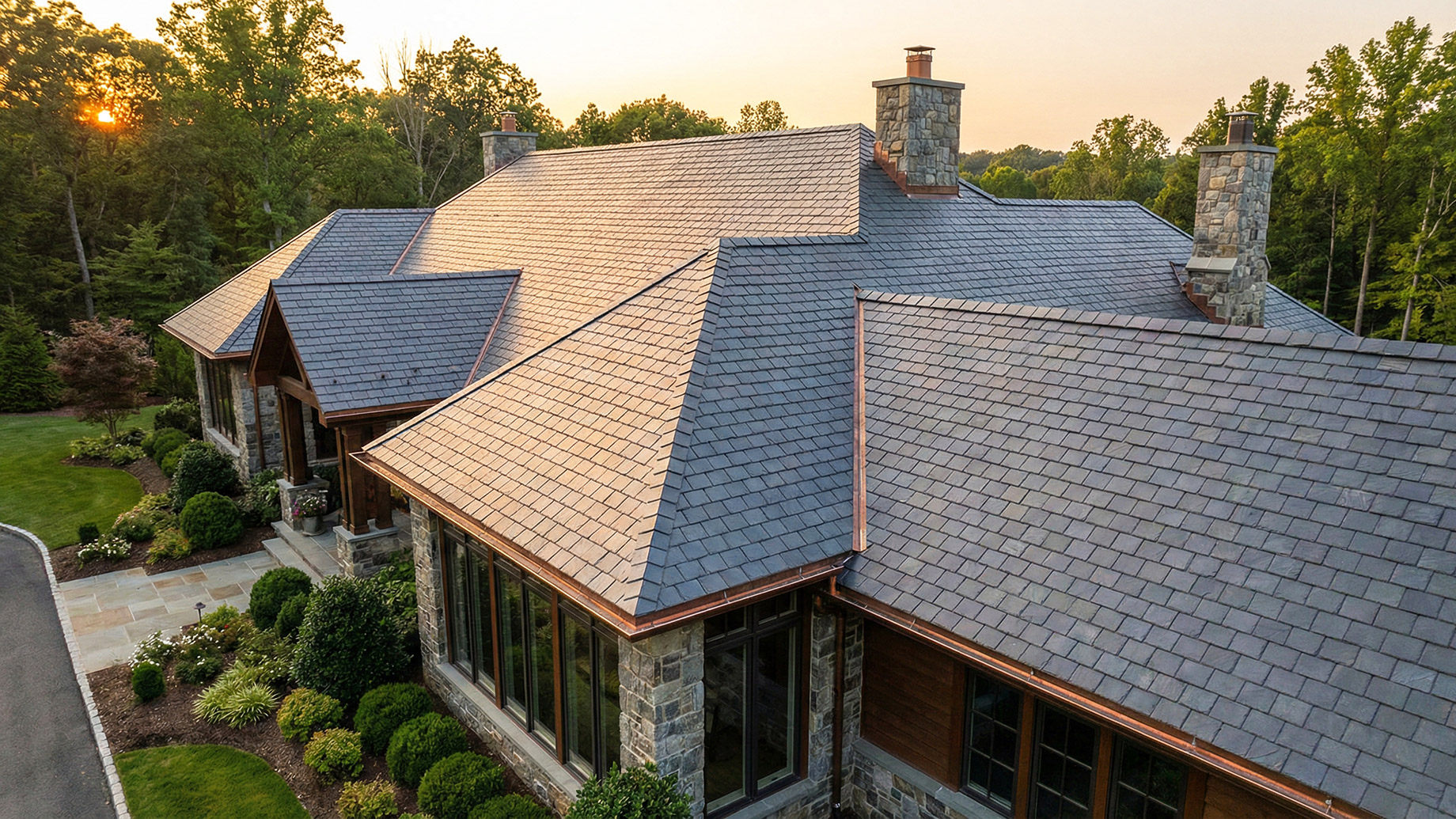
A roof does far more than complete a home’s appearance. It serves as a constant barrier against weather, temperature changes, and environmental stress. Because it performs this role quietly, many homeowners do not think about long-term roof planning until a visible problem appears. By that point, damage may already be affecting deeper structural elements.
Waiting for failure often leads to rushed decisions and unexpected expenses. Proactive planning allows homeowners to approach roof care with clarity instead of urgency. When future needs are anticipated, improvements can be scheduled thoughtfully and aligned with broader home goals. Many property owners begin this process after learning how Roofing performance declines gradually rather than suddenly.
Homeowners who plan ahead with guidance from All-Side Roofing & Restoration often treat roof care as a long-term strategy instead of an emergency response. This approach supports consistent protection, reduces stress, and helps maintain overall home performance over time.
Understanding how roof systems age
Every roof system is built with an expected lifespan. Materials are designed to withstand years of exposure, but sun, wind, rain, and temperature changes gradually reduce effectiveness. Even with proper installation, aging is unavoidable.
Early signs of aging are often subtle. Sealants lose flexibility, surface materials thin, and protective layers become less efficient. These changes rarely cause immediate leaks, which makes them easy to overlook.
Recognizing aging as a natural process allows homeowners to plan improvements before performance drops sharply.
Why waiting for visible damage creates risk
Visible leaks or missing materials are late-stage warnings. By the time these signs appear, moisture may already be affecting decking, insulation, or interior finishes. Repairs at this stage often expand beyond the roof itself.
Emergency situations also limit choices. Homeowners may need to act quickly, reducing their ability to compare materials or schedule work conveniently. Costs tend to rise under pressure.
Proactive planning avoids crisis-driven decisions and protects more than just the surface.
Supporting consistent structural protection
The roof shields the entire structure below it. When protective layers weaken, water intrusion becomes more likely. Even small openings allow moisture to travel along framing and into concealed spaces.
Planning ahead ensures that protection remains continuous. Replacing or upgrading components before widespread deterioration preserves the integrity of structural elements.
Strong protection at the top supports stability throughout the home.
Improving energy efficiency through planning
Aging roof systems often contribute to energy loss. Worn materials and outdated ventilation designs allow heat transfer that strains heating and cooling systems. Homeowners may notice rising energy costs without connecting them to roof performance.
Proactive upgrades allow for modern materials and improved airflow design. These improvements help regulate indoor temperatures more effectively.
Efficient Roofing systems support comfort while reducing long-term energy strain.
Reducing long-term maintenance demands
As roofs near the end of their lifespan, maintenance needs increase. Small repairs become more frequent and less effective over time. This cycle demands attention and adds ongoing expense.
Planning replacement or major upgrades early reduces repeated patchwork. New systems perform reliably with fewer interventions, freeing homeowners from constant monitoring.
Less maintenance leads to greater peace of mind.
Avoiding disruption during severe weather
Storms expose roof weaknesses quickly. Aging materials are more vulnerable to wind damage and water intrusion, increasing the risk of interior damage during severe weather.
A proactively planned roof upgrade ensures readiness for harsh conditions. New systems are designed to meet current performance standards and weather demands.
Prepared homes face storms with greater confidence.
Aligning roof timing with financial planning
Roof improvements represent a significant investment. Without planning, costs may arrive unexpectedly and strain household budgets.
Knowing when replacement is likely allows homeowners to budget in advance and explore options calmly. Financial predictability reduces stress and supports better decisions.
Planning protects both structure and finances.
Supporting long-term property value
Roof condition plays a major role in property value. Buyers often view an aging roof as a future expense and negotiate accordingly. Visible wear may raise concerns during inspections.
Proactive roof planning helps maintain a strong exterior impression. A well-timed upgrade signals responsible ownership and reduces buyer hesitation.
Prepared properties retain value more effectively.
Coordinating roof planning with other exterior work
Roof projects are most effective when coordinated with related exterior improvements. Drainage, ventilation, and exterior materials all interact with roof performance.
Planning allows homeowners to align timing and avoid redundant labor. Coordinated improvements deliver better overall results and reduce future conflicts.
Integrated planning strengthens outcomes.
The role of professional evaluation
Determining the right time to plan major roof work requires experienced assessment. Professionals evaluate material condition, performance trends, and potential risks that may not be visible from the ground.
Midway through the planning process, an experienced Dayton roofing company helps homeowners evaluate Roofing performance accurately. Professional insight ensures decisions are based on evidence rather than assumptions.
Expert evaluation supports confident timing.
Preventing interior damage through early action
Interior damage often begins with roof failure. Leaks affect ceilings, walls, flooring, and belongings. Repairing interior damage significantly increases cost and disruption.
Planning replacement before leaks occur protects interior spaces. Preventative action preserves finishes and maintains indoor comfort.
Interior protection starts at the roof.
Building confidence through preparedness
Confidence in a home’s condition improves quality of life. Homeowners worry less during storms and seasonal changes when they know their roof is reliable.
Proactive planning transforms roof ownership from reactive stress into controlled management. This confidence supports long-term satisfaction with the home.
Preparedness reduces uncertainty.
Long-term benefits of proactive roof planning
The advantages of proactive planning extend beyond immediate protection. Reduced maintenance, improved efficiency, and predictable costs all contribute to long-term comfort.
Treating roof care as a planned investment helps homeowners avoid emergency decisions. With support from All-Side Roofing & Restoration, proactive Roofing planning protects structure, supports performance, and ensures dependable protection for years to come.
