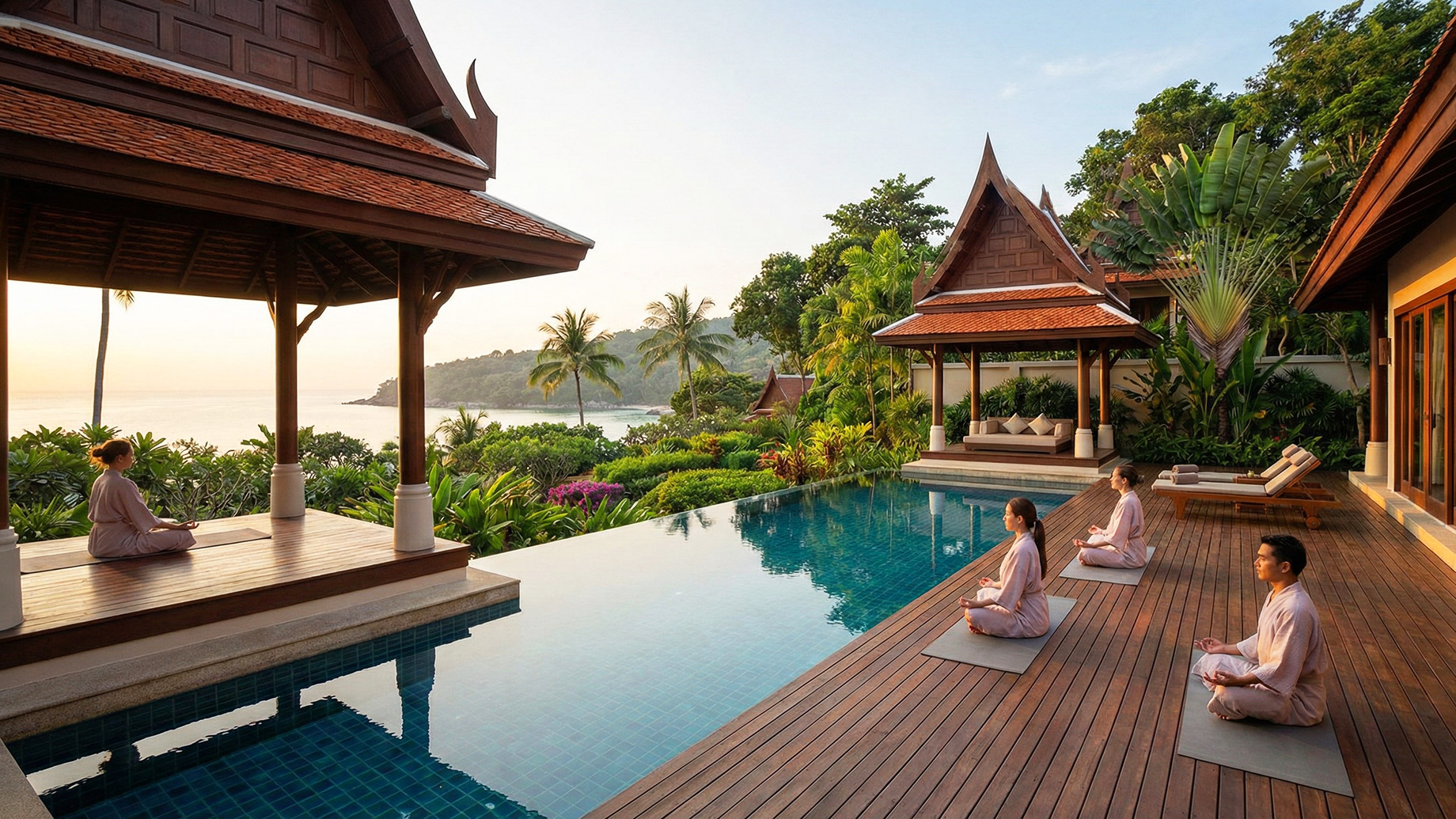
Thailand is fast becoming a go-to place for people seeking addiction recovery and wellness retreats.
This shift isn’t about “vacation rehab” or luxury buzzwords. It’s about quality care, privacy, and a setting that supports lasting change.
Travel for medical and wellness care is not new, with roots dating back centuries. Thailand ranks among the world’s top medical tourism destinations; in 2019, it welcomed 3.5 million medical travelers and had around 62-64 accredited hospitals [1].
This trend now includes people from around the world seeking addiction rehabilitation and mental health intervention outside their home countries.
Why Thailand Is on the Map for Recovery
Two big facts help explain the rise of Thailand as a recovery choice:
- Many international patients seek addiction treatment at private rehab centers in Thailand, drawn by costs 50-70% lower than in the US or UK. Bookimed notes a massive influx of patients from the Middle East, China, ASEAN countries, Europe, and the US, with many centers reporting a majority international clientele.
- A 30-day rehab stay in Thailand commonly costs $3,000–$10,000, often far less than the same level of care in the U.S. or UK [2].
This cost difference does not mean lower quality. Many Thai treatment providers meet international standards and offer evidence-based therapies in English-speaking environments.
For many high-net-worth individuals, the choice comes down to value, quality, and privacy.
World-Class Care With Personalized Support
In Thailand, addiction recovery programs combine clinical treatment with wellness services.
One example of this is the One Step Rehab program, which balances medical care with mental health support. Experts use proven treatment models, and each client gets a highly tailored recovery plan.
Therapies often include:
- Cognitive behavioral therapy (CBT)
- Group and individual counseling
- Mindfulness and stress management
- Aftercare and relapse prevention planning
Thailand’s treatment scene also blends Eastern healing practices with Western clinical care. Many centers include holistic elements like yoga, meditation, fitness, and nutrition support as part of their standard offerings.
This mix appeals to people who want more than talk therapy; they want a transformation that supports body and mind.
Luxury, Privacy, and Comfort
High-net-worth individuals often place privacy and comfort at the top of their list.
Thailand delivers both.
Many recovery retreats are set in serene natural locations, away from urban stress.
Clients can expect:
- Private accommodations with ensuite rooms
- Quiet gardens or rural settings
- Dedicated staff and high staff-to-client ratios
At these rehab facilities, staff numbers remain small on purpose so each client receives more focused attention. Many programs also handle logistics such as airport transfers, visas, and travel planning. Some centers greet clients at the airport and escort them directly to treatment.
For people used to privacy in their professional or social lives, this level of care matters.
Therapeutic Environment and Aftercare
Recovery goes beyond the treatment room. The environment matters. Thailand’s calm atmosphere can reduce stress and support mental clarity.
In some cases, programs encourage clients to slow down and focus entirely on their healing without outside pressure or distraction.
Extended treatment is common. Some programs provide care for 6 to 12 weeks, with longer care if needed. Longer stays can improve long-term outcomes for those with deeper challenges.
Aftercare planning is also a critical part of treatment. Most quality providers help clients stay connected to recovery resources after they return home.
Global Reach and Cultural Fit
One reason Thailand draws international clients is accessibility. Chiang Mai, Bangkok, and other regions are major travel hubs with good flight connections from North America, Europe, and Asia-Pacific. Many programs offer English-speaking staff who understand what international clients need to feel comfortable.
Thailand’s wellness sector is strong and growing rapidly. Traditional Thai therapies, massage, and other wellness services are part of the recovery culture here. The country’s broader wellness industry continues to grow strongly, with wellness tourism spending rising sharply post-pandemic.
Thailand vs. Western Countries: Addiction Recovery for High-Net-Worth Individuals
| Factor | Thailand Recovery Programs | US / UK Recovery Programs |
|---|---|---|
| Average Cost (30 days) | USD 3,000–10,000 depending on location and level of care | USD 20,000–60,000+ for comparable inpatient programs |
| Treatment Approach | Evidence-based therapy combined with holistic wellness practices | Primarily clinical and therapy-focused |
| Privacy & Discretion | Smaller centers with limited clients and secluded settings | Larger facilities with higher patient volume |
| Staff-to-Client Ratio | Often lower ratios for more personal attention | Higher ratios in many mainstream facilities |
| Environment | Calm, nature-focused settings that support mental reset | Urban or suburban locations with daily life distractions |
| Length of Stay Options | Flexible programs ranging from 30 days to 12+ weeks | Often fixed 28–30 day programs |
| International Accessibility | Major global travel hub with medical tourism infrastructure | Primarily domestic treatment focus |
| Aftercare Planning | Increasing focus on long-term recovery and global aftercare | Strong domestic aftercare, limited international focus |
Challenges and Considerations
This option isn’t right for everyone.
Rehab programs differ widely in structure and clinical oversight. Anyone considering treatment abroad should verify the program’s credentials, staff qualifications, and medical support systems before committing.
Visa rules, insurance coverage, and travel logistics also vary widely by country. Planning ahead is essential.
Conclusion
Choosing Thailand for addiction recovery and wellness is not about a trend.
It reflects real advantages:
- World-class treatment at lower cost
- Personalized care
- Privacy and comfort
- Access to holistic wellness supports
For high-net-worth individuals seeking a tailored path to recovery and personal growth, Thailand offers a compelling option.
With thoughtful planning and trusted providers, recovery abroad can be both transformative and effective.
References:
- International Tourism & Imaging Journalists. (2024, May 30). Medical tourism in Thailand: Facts, figures and services on offer. ITIJ. https://www.itij.com/latest/long-read/medical-tourism-thailand-facts-figures-and-services-offer
- Bookimed. (2025, June 19). Rehab in Thailand: Affordable, high-quality addiction treatment guide. https://us-uk.bookimed.com/article/rehab-in-thailand/
