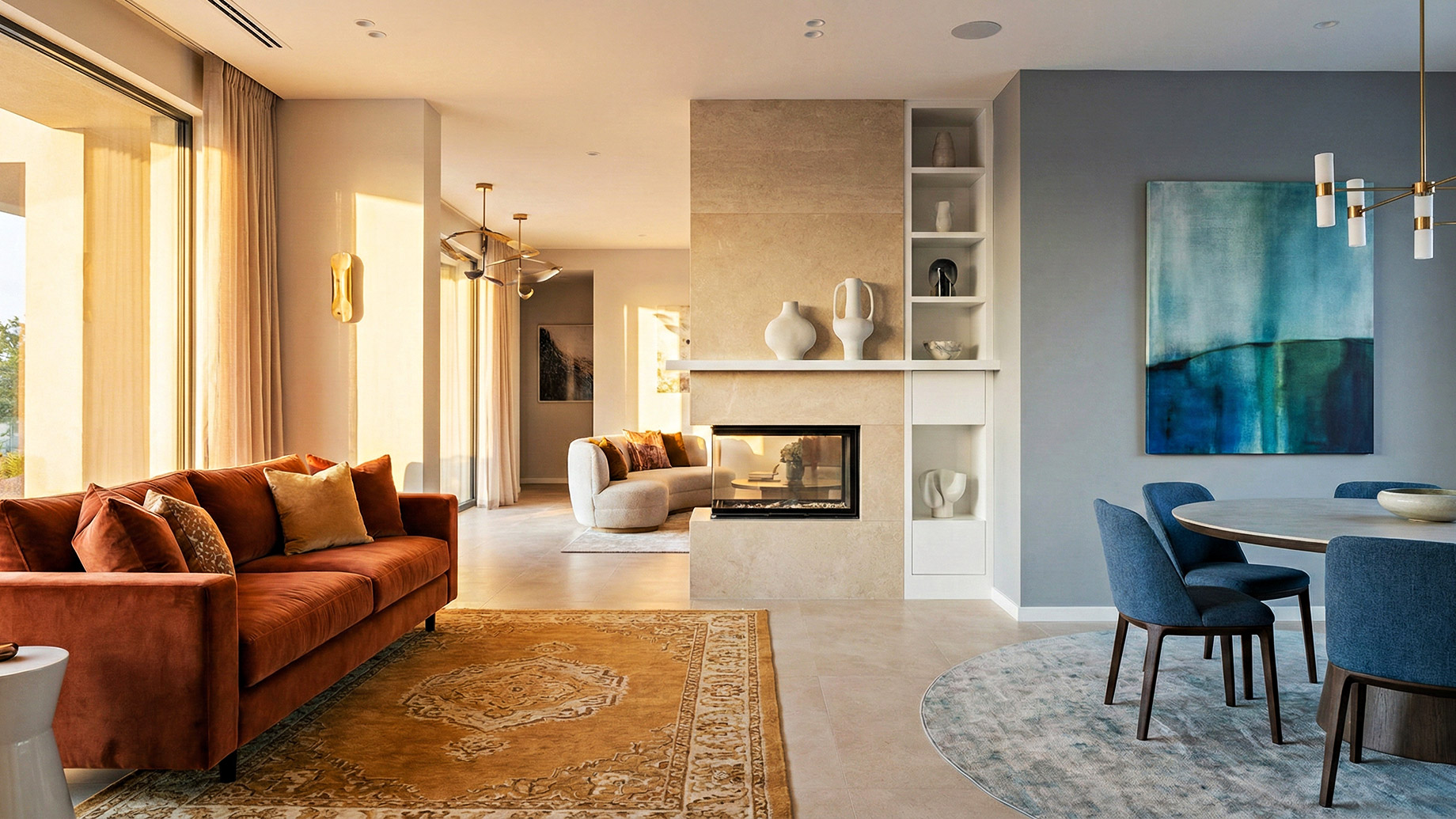
Have you ever walked into a room and instantly felt calm or energized? Color plays a silent but powerful role in shaping these emotions. Interior designers have long understood how hues influence perception, behavior, and mood.
From cozy bedrooms to productive workspaces, the right palette can transform any environment. But how do colors achieve this effect? Understanding the basics of color psychology is key.
This post will reveal practical ways to harness color to create the perfect atmosphere for every room. Keep on reading!
Warm Colors Create Energy
Warm colors such as reds, oranges, and yellows are known to stimulate the senses and encourage activity. They can make spaces feel inviting and lively, which is ideal for kitchens, dining areas, or living rooms.
These tones often evoke feelings of warmth, excitement, and passion. However, balance is important; too much intensity can overwhelm a space. Using accents or one feature wall can provide energy without causing stress.
Cool Colors Promote Calm
Purple, blue, and other cool colors naturally make you feel calm and at ease. Putting them in bedrooms, bathrooms, and meditation areas is a great idea because they can help you relax and make you feel calm.
Cool hues also give the impression of spaciousness, which can make smaller rooms feel open and airy. Pairing them with neutral furnishings enhances their relaxing effect and maintains harmony in the design.
Neutrals Offer Versatility
Neutral colors, including beige, gray, and white, serve as a timeless backdrop for any interior style. They allow other colors to stand out while keeping the room feeling balanced and uncluttered.
Using neutrals creatively can highlight textures, patterns, and furniture details. A painting company can help apply these shades smoothly, ensuring that the base tones complement the overall design scheme perfectly.
Color and Light Interaction
The way color changes when it meets natural and artificial light can make a room feel very different. Bright sunlight can make colors look stronger, while soft lamplight can make things look warmer and more muted.
You should look at paint samples at various times of the day. Knowing how these two things work together helps you avoid surprises and make sure that the color always makes you feel the way you want it to.
Accent Colors for Personality
Accent colors make a room more interesting. A neutral room can be brought to life with bright pillows, rugs, and art.
Adding accents in a way that doesn’t overpower the design takes some skill. They can also show off your personal style or architectural features, making a room look different without having to do a lot of work.
Psychological Effects of Patterns
Patterns and colors can change how we see and feel. Patterns with flowers and shapes give rooms more life and movement, while stripes make walls look taller.
It’s important to find patterns that go with the mood of the room. In intentional interior design, soft patterns are used to calm people down, and bright patterns are used to get people to think and talk.
Harnessing Color Psychology in Interior Design
More than just decoration, color shows how you feel, how much energy you have, and how the room feels. You can relax, concentrate, or make friends better by choosing warm, cool, or neutral colors.
Making these effects stronger by coordinating light, accents, and patterns makes spaces feel more welcoming. A beautiful and relaxing way to decorate your home is with color psychology. Follow these rules to get the most out of any space.
Did you like this guide? Great! Please browse our website for more!
