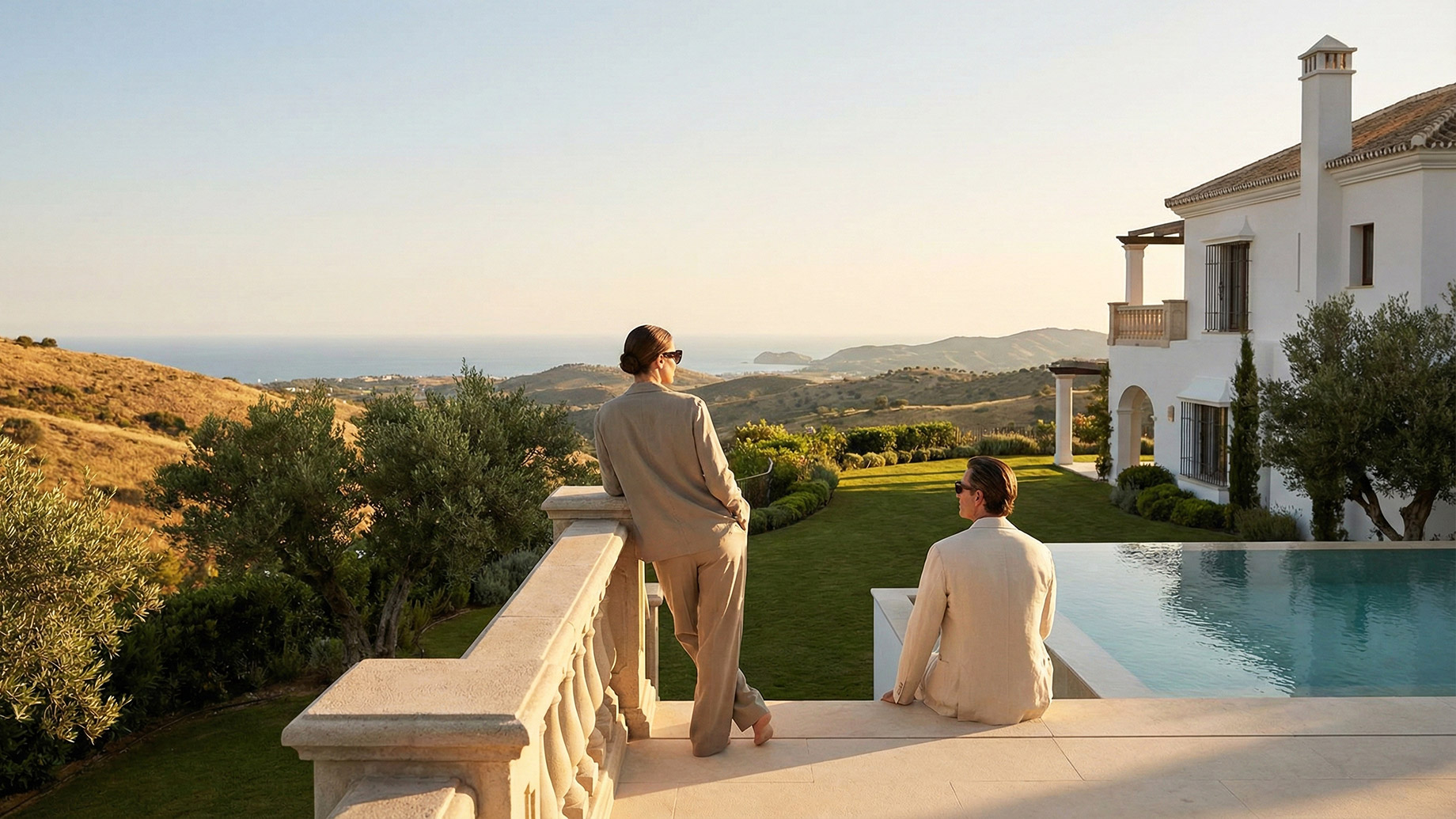
For many artists, actors, and musicians, the path toward fame begins with a desire to be seen. Early recognition feels like validation. Being noticed means progress, relevance, and arrival. Yet once visibility becomes constant, its meaning shifts. What once felt affirming can slowly become restrictive. Public recognition turns from reward into exposure, and over time many well known figures discover that the greatest luxury is not attention, but its absence. Some have spoken openly about this reversal, including Mick Jagger, who has remarked that at a later stage in life he can finally walk through cities like New York without being recognized, and that this anonymity feels unexpectedly liberating. Spain quietly facilitates this transition. Its social norms discourage interruption, its spaces absorb presence without amplifying it, and its culture allows people to exist publicly without becoming a spectacle. For those who have spent years being watched, Spain offers something increasingly rare: the freedom to go unnoticed.
Spain has long attracted international celebrities, artists, athletes, and political figures. The reasons are often described in familiar terms: light, culture, food, and climate. What is discussed far less is how comfortably high profile individuals are able to live, move, and disappear into everyday life once they arrive.
In Spain, celebrity travel is not defined by constant movement or public appearances. It is defined by space, discretion, and choice.
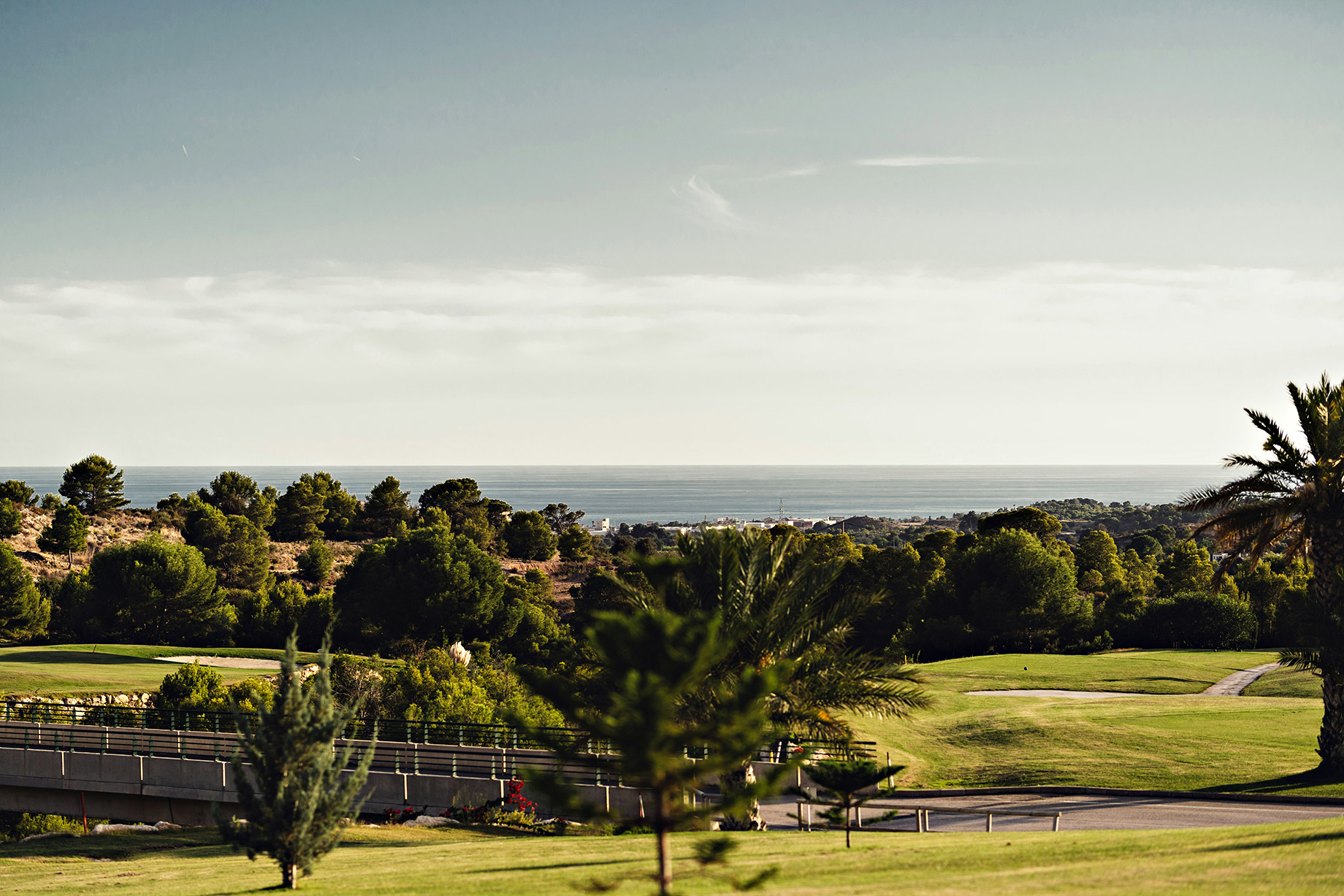
On our planet, Spain is one of the top destinations for high profile travel and long term stays among international celebrities. Why? From the outside, Spain appears effortless: sun, culture, food, and climate are obvious attractions. But Spain offers more than that. What truly defines its appeal for international celebrities is how comfortably they can live, move, and disappear into everyday life once they arrive.
In Spain, celebrity travel and long term stays are not defined by constant movement or public appearances. They are defined by space, discretion, and the ability to blend in.
Residence and Villa First, Movement Second
For most international celebrities, Spain is not experienced as a sightseeing destination. It is experienced as a place to settle and to withdraw from public life. The villa, often located in an urbanización privada (private residence), or a remote finca, becomes the center of daily life. From there, movement happens selectively rather than continuously. Days are spent largely in private settings, with outings planned for a reason rather than out of curiosity.
Spain offers the rare combination of high quality private properties, reliable services, and social norms that allow well known figures to live quietly without isolation. They are not tourists. They are temporary residents, and many locals take pride in offering hospitality while respecting distance.
The Role of Space and Low Density
Spain’s geography plays an essential role in this lifestyle. In many places, there is close proximity between a beautiful coastline, vibrant cities, and well connected remote areas. On top of that, there are large parts of the country that offer low population density, expansive landscapes, and generous distances between residential areas.
Space creates comfort.
Coastal regions, countryside estates, and hillside communities allow privacy to exist naturally rather than being enforced. There is less need to hide when there is simply more room and the nearest neighbor lives kilometers away. Outside the main cities, roads are quiet. Views are longer. Encounters are fewer.
This countryside openness translates directly into psychological ease. Movement feels unforced. Presence feels unremarkable. Fame does not need to be managed when there is almost nobody around.
Marbella: Privacy as an Everyday Condition
In Marbella, this balance is most visible. International celebrities are part of the city’s fabric, yet rarely its focus. The city center can be busy and vibrant, but outside the center the lifestyle quickly becomes more countryside in character.
Life here unfolds quietly. Mornings at places like the Zagaleta golf club, afternoons at private residences, and evenings that may include a carefully chosen public appearance at restaurants such as Skina or Messina.
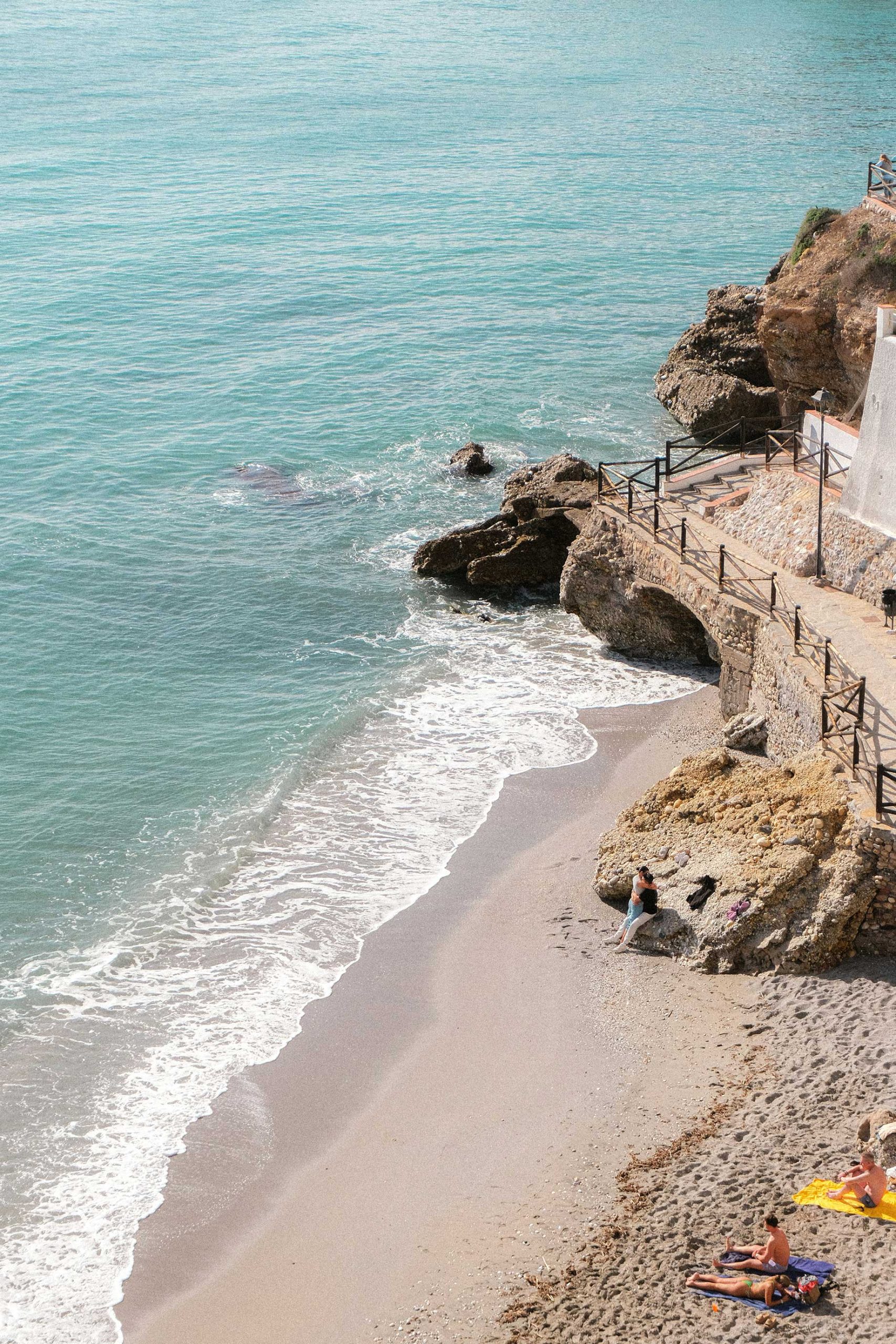
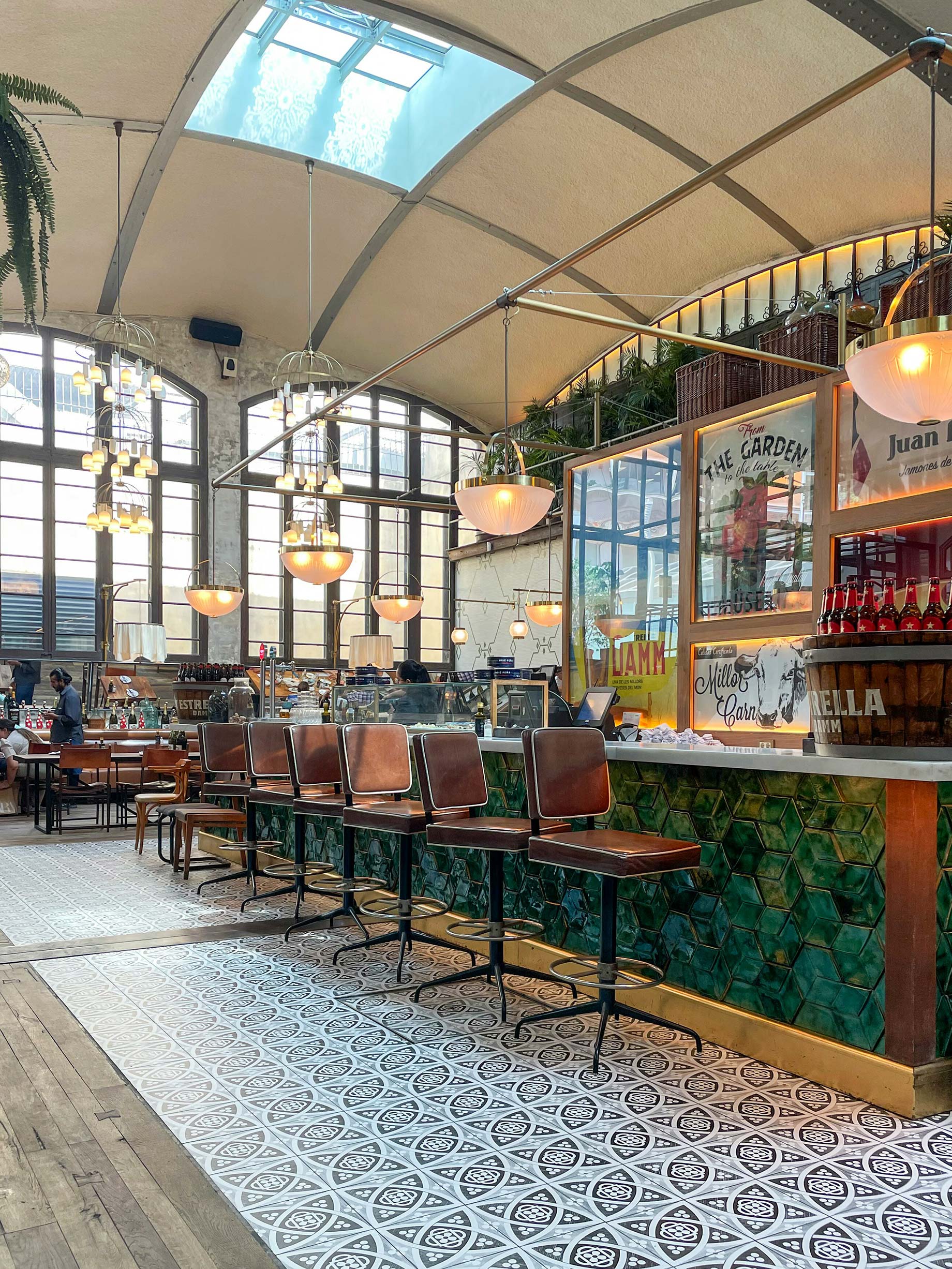
Movement tends to be panoramic rather than specific. Neighborhoods are experienced as landscapes rather than destinations. Public spaces such as promenades are strolled with limited exposure, while private life remains largely uninterrupted.
Marbella does not encourage spectacle. It allows normality.
Barcelona: Public Life Without Performance
Barcelona presents a different dynamic. As a dense, cultural city, it offers more public interaction, yet still allows high profile individuals to blend in with relative ease.
Spanish social norms favor restraint. Looking is acceptable. Interrupting is not. Celebrities in Spain can walk into restaurants without being harassed, sit comfortably in public spaces, and attend cultural events without triggering crowd behavior.
This makes it possible for globally recognizable figures to move through public spaces, restaurants, and cultural venues without turning the experience into a performance.
In 2023, former US president Barack Obama, musician Bruce Springsteen, and filmmaker Steven Spielberg were reported by international media to have dined together in Amar Barcelona. The moment was notable not for exclusivity, but for its normality. Staff were delighted. Other diners remained respectful. The city carried on.
Spain allows moments like this because it does not overreact to them.
Local Fame Versus Global Fame
An important distinction exists between local or national celebrities and international ones. Spanish actors, athletes, and media personalities often move with greater confidence in public settings. They are recognized, but within context. Their presence feels familiar rather than disruptive. As a result, they may visit restaurants, bars, or events openly and remain longer.
International celebrities operate differently. Their recognition travels with them. For this reason, they tend to choose quieter venues, arrive at non peak hours, and limit time spent in public spaces. It is not fear that guides this behavior, but scale. Spain accommodates both patterns without tension.
Movement Without Spectacle in Barcelona
When international celebrities move beyond their private base, it is usually with intention. A dinner reservation in Eixample or El Born, a cultural visit scheduled outside peak hours, or a discreet appearance at a private event.
Movement is planned, calm, and efficient, shaped by the city’s natural rhythm rather than by overt security. It is not designed to avoid public life, but to merge with it. There is little lingering. Entry and exit feel normal.
In Barcelona, this kind of movement rarely attracts attention because it aligns with how the city already functions. People mind their own space, evenings unfold slowly, and discretion is part of the social fabric rather than an imposed rule.
Cultural Restraint Facilitates Discretion
Spain’s effectiveness as a destination for high profile individuals is cultural as much as it is practical.
There is an unspoken agreement that privacy is respected and that fame does not override manners. This social contract allows celebrities to exist within public life without dominating it, while residents remain at ease, unburdened by constant spectacle.
Luxury, in this sense, is collective restraint.
Balance as a Vehicle of Exclusivity
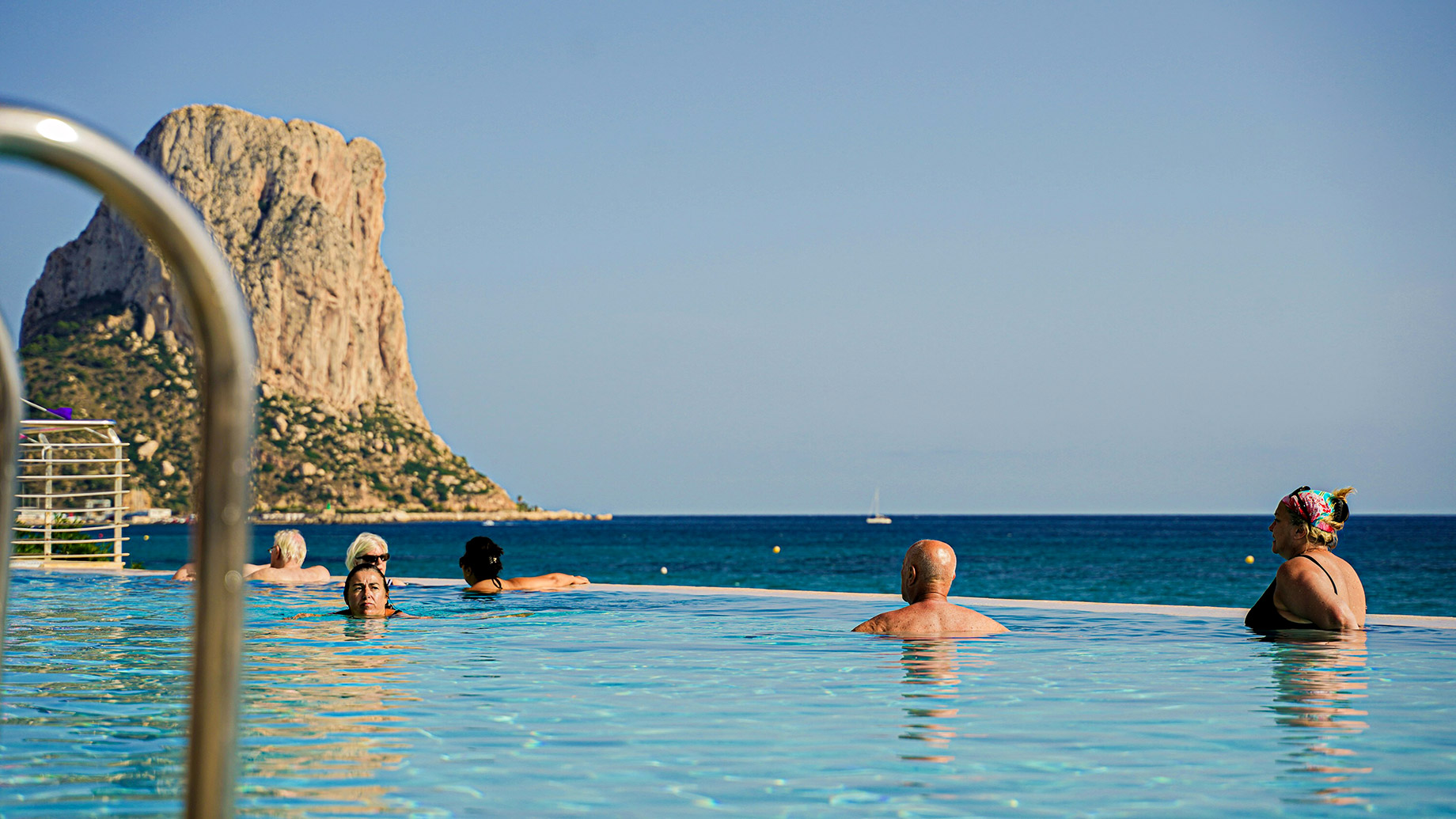
For celebrities in Spain, luxury means being able to move without disruption. Behind the scenes, this kind of discreet movement is often coordinated through trusted local operators across Spain, including bus and coach hire in Spain.
Space matters. Social norms matter. Discretion matters most of all. Spain succeeds in all of this because it allows high profile individuals to live normally for a while, without asking them to hide.
