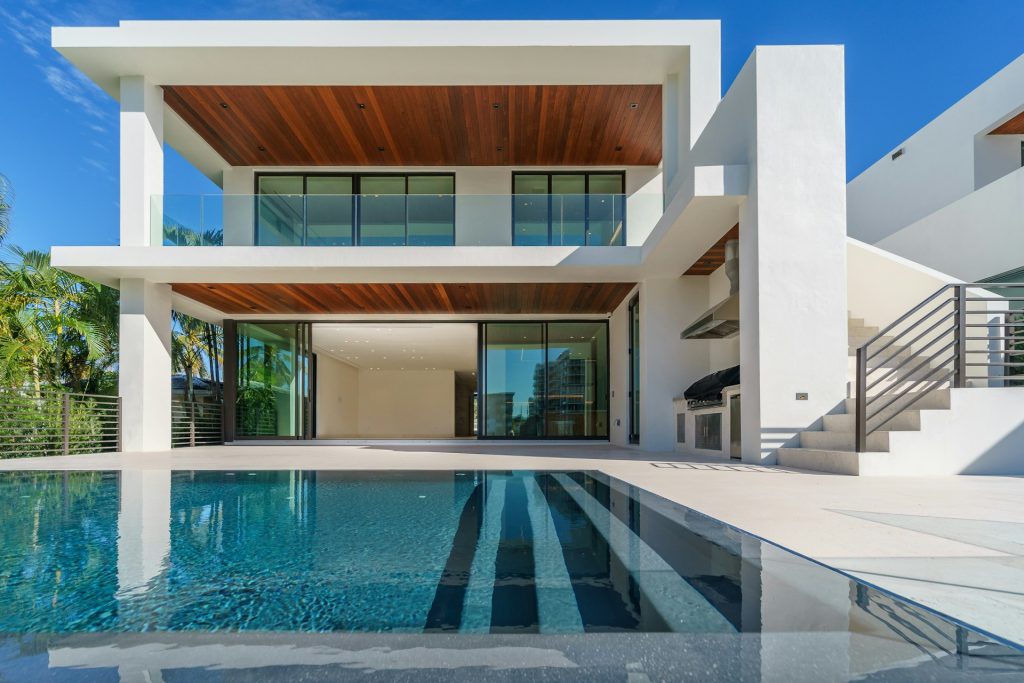
Modern luxury residences require precise comfort, energy economy, and environmental compliance in addition to temperature control. These homes’ HVAC systems are now complex networks that control airflow, humidity, air quality, and even energy use. They are no longer just basic heating and cooling devices, and skilled technicians play a critical role in diagnosing and repairing home HVAC system failures to maintain optimal performance. The design, maintenance, and repair of systems are being altered by recent changes in refrigerant laws and HVAC efficiency standards.
The Evolution of Refrigerant Standards
The switch to eco-friendly refrigerants is one of the biggest advancements in contemporary HVAC systems. Low-impact substitutes like R-410A and newly developed hydrofluoroolefins (HFOs) are replacing older hydrofluorocarbon (HFC) refrigerants, which were formerly widely used in residential and commercial systems but have a high global warming potential.
Choosing the right refrigerant is essential for luxury homes, as HVAC systems are often multi-zone and connected to home automation systems. This guarantees both performance and compliance with evolving environmental regulations.
Efficiency and Performance Upgrades
SEER (Seasonal Energy Efficiency Ratio) ratings are no longer the only way to gauge energy efficiency. Modern luxury HVAC systems place strong emphasis on adaptive performance to respond to shifting occupancy and ambient conditions. Smart zoning controls, modulating fans, and variable-speed compressors enable systems to operate efficiently at partial loads, saving energy while maintaining constant comfort.
Efficiency improvements also affect air quality and noise levels. Ultra-quiet compressors and variable fan speeds, which improve comfort in bedrooms, offices, and entertainment areas, are common features of high-performance HVAC systems in luxury houses. In addition to improving interior air quality and preventing the spread of mildew, air filtration and humidity control capabilities safeguard fragile objects such as artwork, fine fabrics, and hardwood floors.
Smart Home Integration and Predictive Maintenance
HVAC systems connected to home automation platforms are becoming common in many contemporary luxury homes. Although smart thermostats, sensors, and remote monitoring tools provide homeowners previously unheard-of control over their surroundings, they also present new difficulties. If left unchecked, malfunctioning sensors, communication issues, or software conflicts can result in inconsistent temperatures, reduced efficiency, or even equipment failure.
Professionals can proactively address new problems before they become costly by analyzing sensor data, airflow readings, and system diagnostics. Predictive maintenance is also enabled by smart integration, which notifies personnel and homeowners of potential electrical issues, airflow limitations, or refrigerant leaks. This proactive strategy extends equipment life, reduces downtime, and avoids emergency service calls.
Preventive Maintenance: A Necessity for Luxury Homes
Regular filter changes are not enough for luxury HVAC systems. A thorough assessment of the mechanical, electrical, and environmental components is part of preventive maintenance. A thorough inspection reduces the risk of malfunctions, maintains energy efficiency, and ensures that expensive equipment runs consistently.
Key maintenance practices include:
- Cleaning coils, ducts, and filters to prevent airflow restrictions
- Verifying refrigerant levels and system pressure for proper operation
- Calibrating sensors, thermostats, and smart controls
- Inspecting electrical connections, motors, and compressors for wear
- Testing airflow and zone temperature balance across multiple areas
Reduced performance, increased energy costs, and more frequent emergency repairs can result from neglecting preventive maintenance. In addition to protecting delicate building materials and extending the life of expensive HVAC equipment, a well-maintained system ensures consistent comfort throughout the house.
Indoor Air Quality and Environmental Compliance
Indoor air quality is just as important to modern HVAC design as temperature control. Advanced humidity control, UV sterilization, and HEPA or MERV filters are frequently included in systems. When these elements function properly, they reduce allergens, prevent mold growth, and promote a healthy living environment.
In addition, adherence to energy-efficiency guidelines and refrigerant laws ensures that the house is ecologically conscious, and residential HVAC repair specialists ensure systems continue to perform safely and efficiently. Experts help homeowners strike a balance between regulatory compliance and maximum comfort. To comply with current safety and environmental regulations, they monitor airflow patterns, system efficiency, and refrigerant types.
Expertise and Professional Support
The combination of new refrigerants, high-efficiency systems, and smart integration requires specialized knowledge. Not all technicians are equipped to handle luxury home HVAC systems. Choosing professionals with proven experience ensures that:
- Potential issues are detected before they escalate
- Systems operate at peak efficiency while minimizing environmental impact
- Smart home integration functions as intended
- Safety standards are met for both equipment and occupants
Expert guidance protects the significant investment in modern HVAC systems and provides peace of mind for homeowners concerned about comfort, efficiency, and long-term reliability.
Final Thoughts
Modern luxury homes demand HVAC systems that combine comfort, efficiency, and environmental responsibility. New refrigerant standards, adaptive efficiency technologies, and smart home integrations have increased the complexity of these systems, making professional expertise essential. By relying on trained technicians for diagnosing and repairing home HVAC system failures, homeowners ensure optimal performance, regulatory compliance, and long-term equipment longevity. A proactive, professional approach safeguards comfort, reduces energy costs, and protects one of the most significant investments in the home, providing both peace of mind and lasting value.