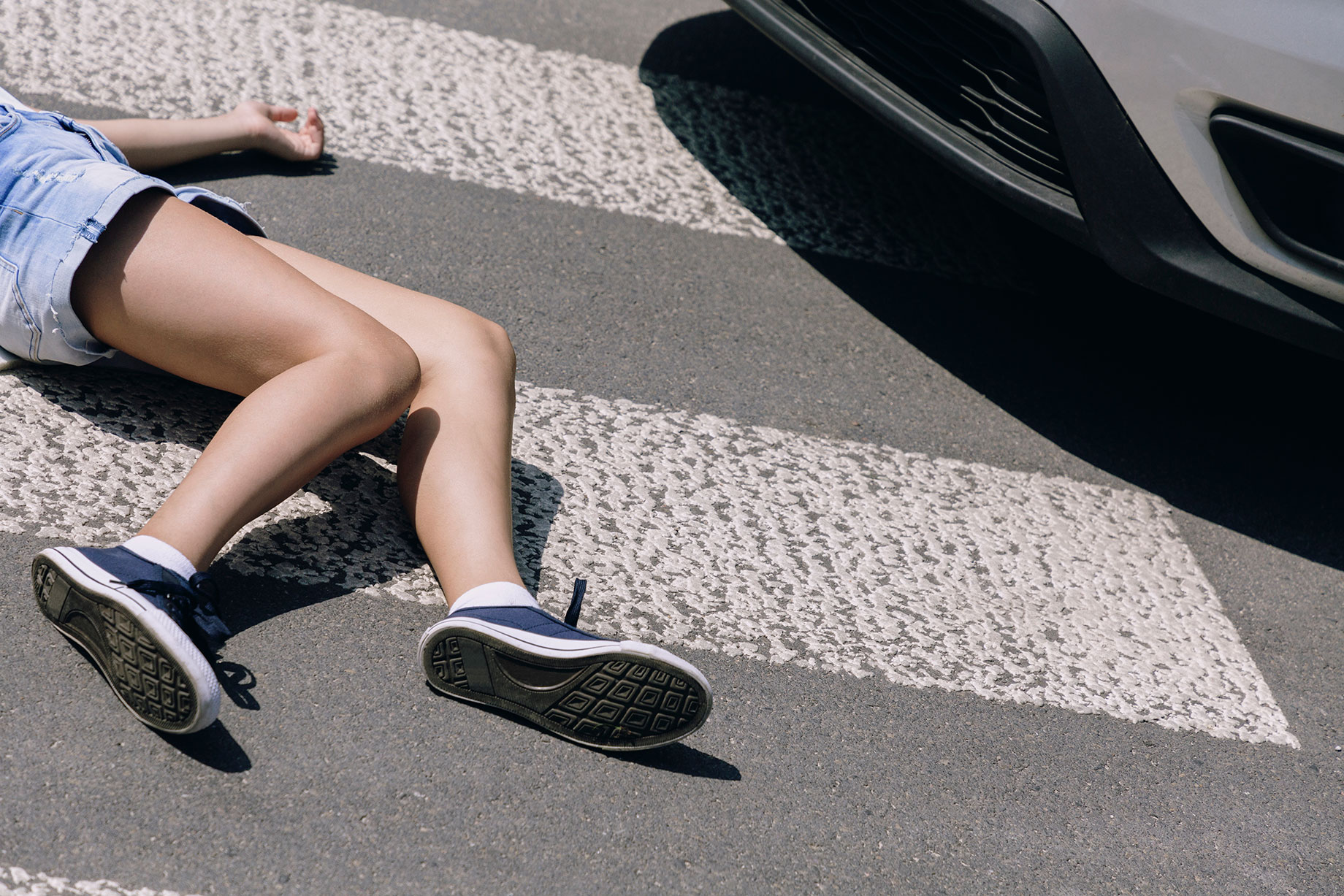
Nobody wakes up thinking, “Today I’ll need a pedestrian accident lawyer.” It’s usually something that hits out of nowhere—a car that comes around the corner too fast, a driver who’s looking at their phone instead of the road, or a moment when someone simply doesn’t see you until it’s too late. For people across New Jersey, these moments are becoming frighteningly familiar. And when it happens, life doesn’t pause. Having a New Jersey pedestrian accident lawyer on your side can make navigating the aftermath a little more manageable.
A Growing Problem You Can Feel on the Streets
New Jersey has long struggled with pedestrian safety, but in recent years the numbers have started to feel impossible to ignore. Even worse, an alarming share of these tragedies involve hit-and-run drivers who flee instead of helping.
And when a pedestrian gets hit, the injuries aren’t small—the diagnoses are often life-changing. Recovery can take months or years, and some people never get back the mobility or independence they once had.
The Laws That Are Meant to Protect Pedestrians
New Jersey does have rules designed to keep people on foot safe. Drivers are supposed to stop for pedestrians in crosswalks, and they aren’t allowed to maneuver around a car that’s already stopped for someone crossing the street. When drivers follow these laws, accidents drop dramatically. The problem is, they don’t always do so.
The state also uses a comparative negligence system, which is a fancy way of saying both sides are examined. If a pedestrian crossed outside of a crosswalk or ignored a signal, it might reduce what they can recover. It doesn’t erase their right to compensation—but it can affect the final numbers.
There’s also the legal clock ticking in the background. Most pedestrian accident cases have to be filed within two years. If the case involves a public agency, the deadlines get shorter and much more rigid, which is why many victims seek legal help early.
How Communities Are Responding
New Jersey is enhancing pedestrian and bicycle safety through collaborative efforts led by towns, agencies, and nonprofits, particularly the New Jersey Pedestrian/Bicycle Safety Coalition. The Street Smart NJ initiative promotes basic safety principles, engaging over 200 communities. Infrastructure improvements, including better lighting, sidewalks, and redesigned intersections, are underway, alongside local police operations enforcing pedestrian safety, leading to increased public awareness through warnings and citations.
What Recovery Looks Like for Victims
After a pedestrian accident, the physical pain isn’t the only burden. Medical appointments pile up. Bills arrive before you’re even healed. Work becomes uncertain. Anxiety or trauma can follow you from one day to the next.
New Jersey law allows victims to pursue compensation for all of this but it’s not always straightforward. Insurance companies may argue, minimize, delay, or shift blame. That’s why many victims lean on legal representation. A knowledgeable lawyer knows what evidence matters, how fault is determined, and how to push for a fair resolution when the stakes are this high.
Outside the legal system, several community organizations connected with NJPBS offer support, resources, and guidance for families. And as the state invests in safer infrastructure, the hope is that fewer people will ever need this kind of help in the first place.
Moving Toward Safer Streets and Fairness for Survivors
The effects of pedestrian accidents in New Jersey go beyond statistics. Families may need to adjust to changes, individuals may face challenges after injuries, and communities are affected by the outcomes.
Yet change is happening. Education campaigns, stronger enforcement, redesigned streets, and growing awareness are making a difference—one intersection at a time.
If a negligent driver has affected you or a loved one, help and guidance are available every step of the way. With Davis, Saperstein, & Salomon, PC, a New Jersey pedestrian accident lawyer, on your side, you’ll have someone to guide you through your options, safeguard your rights, and help you work toward a fair outcome.
