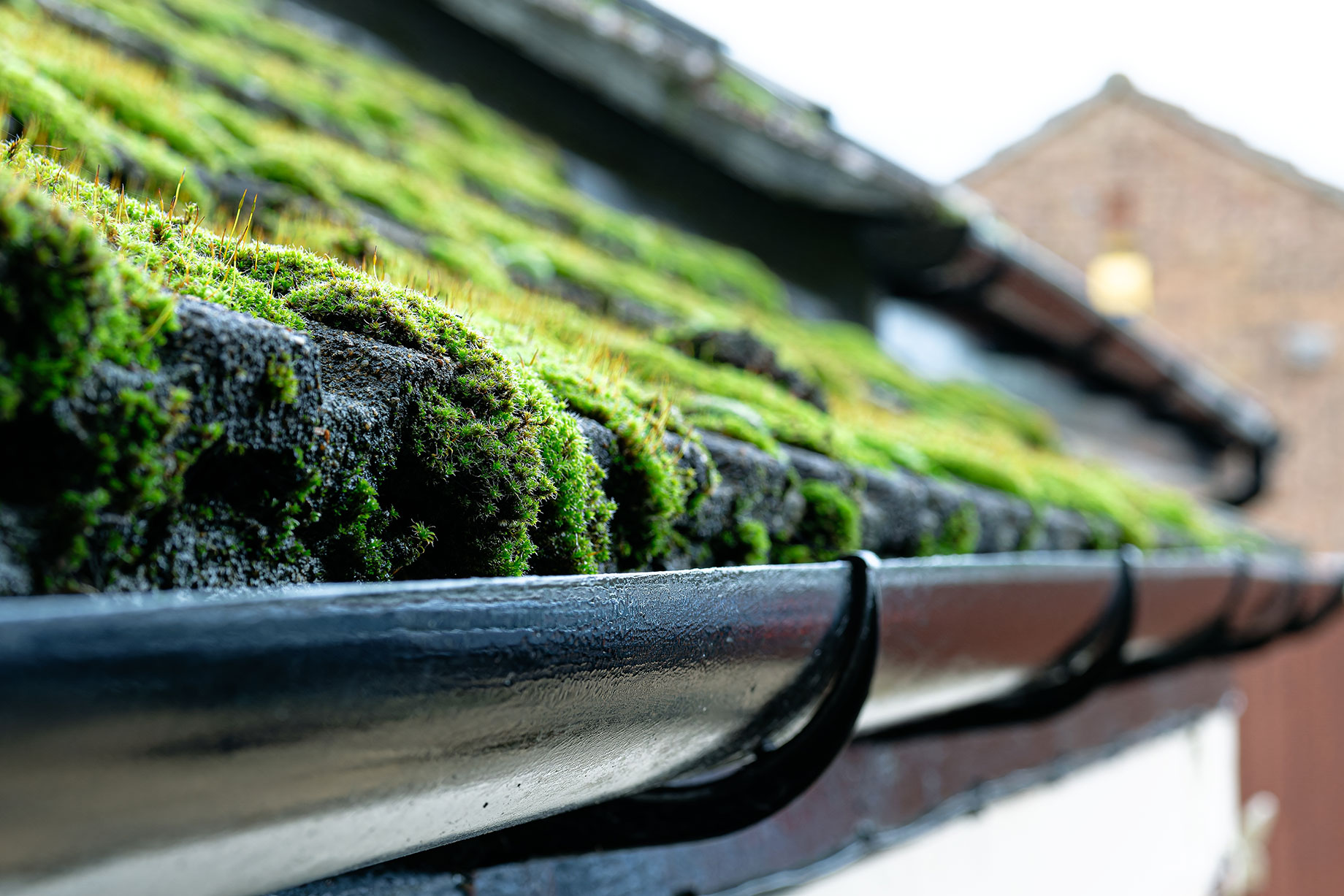
In the Pacific Northwest, a moss-covered roof is often viewed with a sense of resignation. Some even call it the “Portland Patina”—a rustic, green fuzz that blends a home into the lush, tree-lined landscape. It is widely regarded as a cosmetic quirk of the region, akin to rain in November or blooming rhododendrons in May.
However, for homeowners, that patch of green is not an aesthetic feature; it is a slow-motion demolition crew.
What begins as a faint green tint can rapidly evolve into a catastrophic structural failure. Every year, Portland residents are forced to replace roofs that are only halfway through their intended lifespan, turning a minor maintenance oversight into an $18,000 financial disaster.
The Invisible Destruction Process
The misconception that moss is “just surface dirt” is the most expensive assumption a homeowner can make. Moss is a biological organism that requires water to survive, and it gets that water by compromising the integrity of your home.
Unlike mold, which sits on the surface, moss has a root system. Here is the silent timeline of decay that occurs when “a little moss” is left unchecked:
- The Pry Bar Effect: In the first year, moss rhizoids (roots) anchor themselves into the granules of your shingles. As they grow, they work like tiny crowbars, physically lifting the shingles up. This breaks the watertight seal, allowing rain to flow underneath the roofing material rather than over it.
- The Sponge Factor: Moss can hold up to 20 times its weight in water. By year two, patches of moss act as wet sponges strapped to your roof. In a city that sees 36 inches of annual rainfall, this means sections of your roof remain perpetually waterlogged, never having the chance to dry out.
- Freeze-Thaw Fractures: When winter temperatures drop, the water trapped in the moss freezes and expands. This expansion widens cracks in the asphalt and dislodges the protective granules that shield the roof from UV rays.
- Decking Rot: Eventually, the moisture bypasses the shingles entirely and soaks into the plywood decking beneath. By the time a homeowner notices a leak in the living room ceiling, the structural rot in the attic is often extensive—and expensive.
The Real Estate Deal Breaker
The impact of moss extends beyond physical damage; it is a notorious killer of real estate transactions.
In today’s market, a mossy roof is a massive red flag for home inspectors. It suggests deferred maintenance and hidden water damage. It is common for buyers to walk away from a sale or demand credits ranging from $15,000 to $20,000 upon receiving an inspection report citing “organic growth” and “granule loss.”
We have seen potential sales tank instantly because a seller ignored maintenance that would have cost a few hundred dollars, only to be forced to concede tens of thousands at the closing table.
The Danger of DIY Cleaning
When homeowners realize the danger, many panic and reach for a pressure washer. This is often a mistake that compounds the damage.
Asphalt shingles are coated in mineral granules designed to protect the underlying asphalt from the sun and rain. blasting a roof with high-pressure water might strip away the moss, but it also strips away these vital granules, effectively aging the roof by a decade in a single afternoon. Furthermore, pressure washing often drives water upward under the shingles—precisely where it shouldn’t go—creating immediate leak risks.
This is why professional roof cleaning services are critical. The goal is not just to clean the roof, but to preserve it.
The Soft-Wash Solution
To combat the specific climate challenges of Portland, experts utilize a “soft-wash” approach. This method avoids mechanical damage by using chemistry rather than brute force.
A proper treatment plan involves:
- Application: Applying eco-friendly solutions that terminate moss growth at the root level without harming the watershed or landscaping.
- Gentle Removal: Using low-pressure techniques to clear debris without scouring the shingle surface.
- Prevention: Applying zinc or copper-based treatments that change the pH of the roof surface, inhibiting regrowth for years.
Industry leaders like All Seasons Cleaning Services note that technicians often spot minor issues—such as loose flashing or early signs of wear—during these cleanings. Catching a $400 repair during a cleaning can prevent a $5,000 leak later.
The ROI of Maintenance
The math is brutal but simple. An architectural shingle roof in Portland costs between $15,000 and $25,000 and should last 30 years. If moss cuts that lifespan in half—a common occurrence—the homeowner loses nearly $1,000 in value for every year of life lost.
Compare that to the cost of maintenance. Bi-annual professional cleaning costs a fraction of a premature replacement.
- Cost of neglect: Premature replacement ($18,000+) + potential rot repair ($5,000+).
- Cost of prevention: Routine professional maintenance (approx. $3,500 over 30 years).
The “Portland Patina” might look natural, but it is a luxury few can afford. In a climate determined to reclaim your home for nature, a clean roof isn’t just about curb appeal—it is about protecting your most valuable asset.