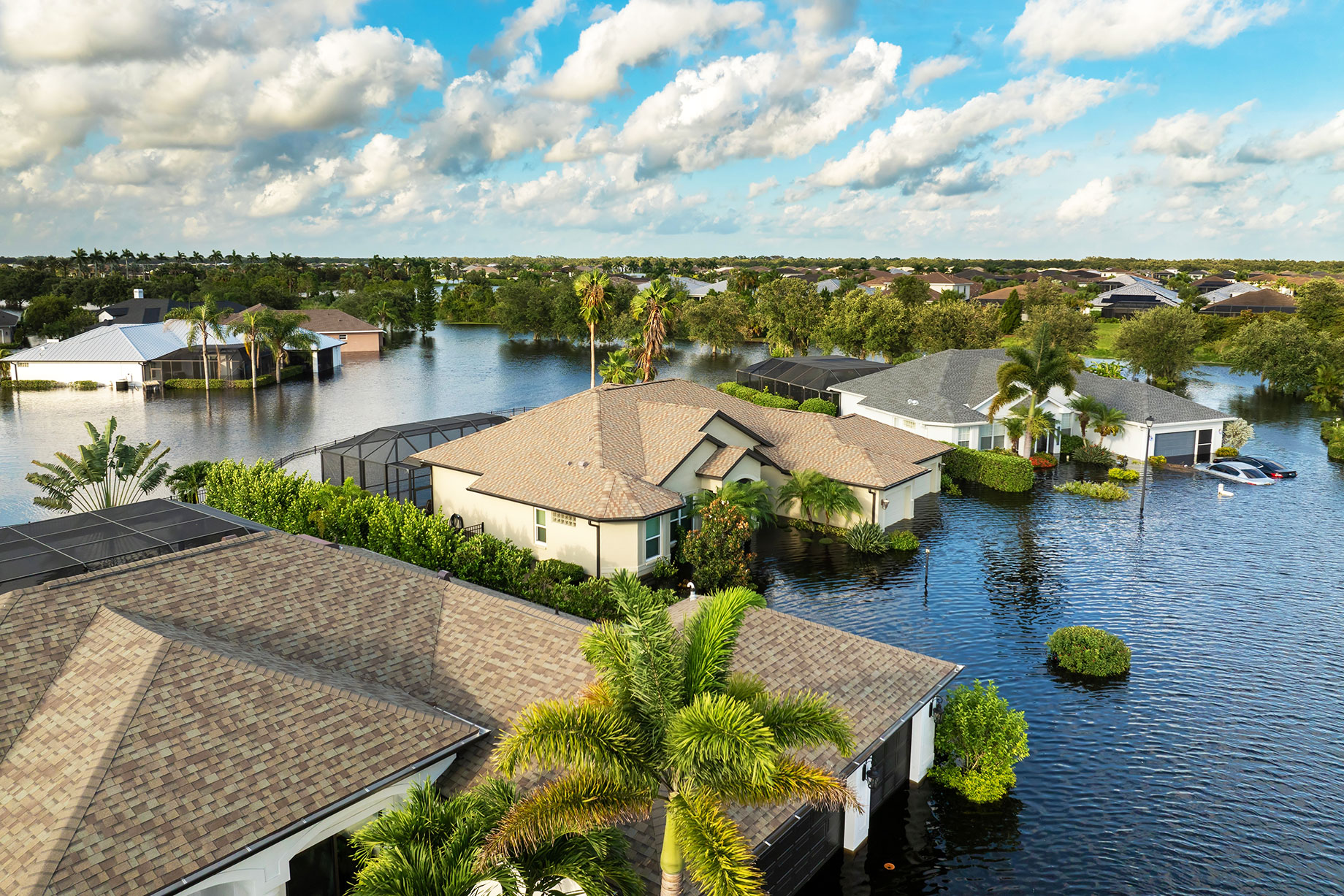
For residents of Jupiter, Florida, the allure of coastal living is undeniable. The pristine beaches, the Intracoastal waterways, and the tropical climate define a lifestyle of luxury and relaxation. However, this paradise comes with a caveat: the potential for extreme weather. While seasoned Floridians are accustomed to tropical storms and lower-category hurricanes, the prospect of a Category 5 storm represents an entirely different class of threat.
With sustained winds exceeding 157 mph, a Category 5 hurricane is not merely a weather event; it is a catastrophic structural test. For luxury homeowners, the question is not just about insurance deductibles, but about asset preservation. Ensuring your property can withstand this level of force requires moving beyond standard building codes and embracing advanced hurricane resistant roofing technologies designed for the High-Velocity Hurricane Zone (HVHZ).
Understanding the Category 5 Threat
To protect your home, you must first understand the adversary. A Category 5 storm brings more than just fast wind. It creates a phenomenon known as “uplift,” where the air pressure difference between the interior of the attic and the exterior wind flow attempts to literally suck the roof off the house.
Furthermore, at these speeds, debris becomes ballistic. A standard coconut or tree branch traveling at 160 mph can punch through standard plywood decking like a cannonball. Therefore, a roof’s survivability depends on three layers of defense: impact resistance, wind uplift resistance, and water intrusion barriers.
Material Science: Beyond the Shingle
In the luxury market, aesthetics often drive material selection, but performance must be the priority.
- Metal Roofing: Often considered the gold standard for storm survival. High-quality standing seam metal roofs can withstand wind speeds in excess of 160 mph. Their interlocking panels significantly reduce lift, and they are impervious to the cracking that plagues other materials during debris impact.
- Concrete and Clay Tile: A staple of Jupiter’s Mediterranean architecture. While heavy and durable, their survival depends entirely on the fastening method. Modern codes require mechanical fastening (screws or advanced foam adhesives) rather than the mortar patties of the past, which often failed in high winds.
- Composite Synthetics: Modern synthetic slate and shake products offer the classic look of natural materials but are engineered with polymers that achieve Class 4 impact ratings, allowing them to bounce back from hail and debris strikes without shattering.
The Hidden Hero: Secondary Water Resistance
If the wind tears away your tiles or metal panels, is the battle lost? Not necessarily. The most critical evolution in modern roofing is the “sealed roof deck.”
Advanced peel-and-stick underlayments adhere directly to the plywood deck, sealing around every nail and creating a waterproof barrier that remains intact even if the primary roof covering is blown away. For any homeowner following a category 5 hurricane roof guide, ensuring this secondary layer is installed is perhaps the single most important step in preventing catastrophic water damage to the interior.
The “Survival” Question
One of the most common questions experts face is: “Can my roof survive a cat 5?” The answer lies in the age of the roof and the quality of the installation.
Roofs installed after the rigorous code updates of the early 2000s are significantly more likely to weather the storm than their predecessors. However, survival is not guaranteed by age alone. It requires a “load path” integrity—meaning the roof trusses are strapped to the walls, and the walls are anchored to the foundation. Without these continuous connections, even the strongest roofing material can fail because the structure beneath it gives way.
Conclusion
Living in Jupiter means preparing for the worst while enjoying the best. A Category 5 hurricane is a rare but plausible event that demands respect. By investing in premium materials, upgrading to sealed roof decks, and consulting with specialized local professionals to audit your wind mitigation features, you can turn your roof from a liability into a fortress, ensuring your sanctuary remains secure when the skies turn dark.