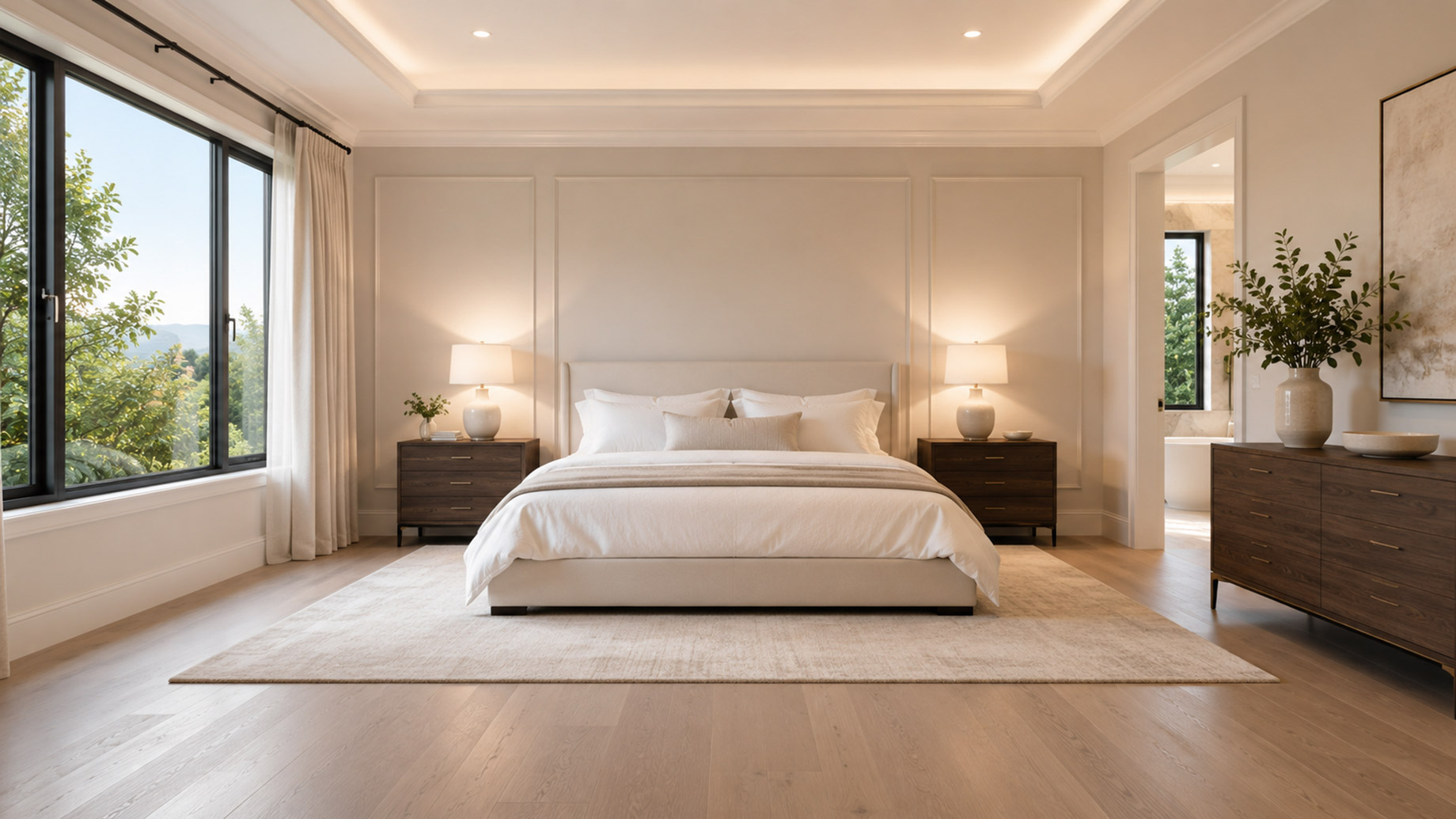
When buyers walk through a home, they are looking for more than square footage. They are picturing their life inside those walls. And no room makes that vision click faster than the master bedroom.
You can have a gorgeous kitchen, a freshly painted living room, and a landscaped yard — and still lose a buyer the moment they step into a tired, cluttered, or poorly staged master bedroom. That is how much weight this one room carries. Even if you’re just staging the house, making sure that you already have modern bed frames and modern furniture in place will sell the space. You want it to look good, right? Well seeing as you’re selling, you want buyers to see themselves in there, too.
It is personal space. It is where rest happens. It is the room buyers quietly claim as their own before the offer is even written. So if you are preparing a home to sell, this is where your energy and your budget should go first.
What Buyers Feel When They Walk In
Most buyers cannot explain exactly why one bedroom felt right, and another did not. They just know. That gut reaction happens within seconds, and it is almost always driven by the same things: light, space, and calm.
A bright room with clean lines and neutral tones tells the brain to relax. A dark room with mismatched furniture and personal clutter sends the opposite signal. Buyers start doing mental math: How much work will this take? And that math starts working against you.
The emotional response to a master bedroom often shapes how buyers remember the entire home. A room that felt like a retreat can lift the whole show. A room that felt cramped or neglected can quietly poison opinions of spaces that were otherwise fine.
Size Matters: So Does How You Use It
Not every master bedroom is spacious, and that is okay. What buyers really want is a room that feels like it could hold their life comfortably. A smaller room staged well can feel more generous than a large one filled with too much furniture.
| 72% of buyers rank the master bedroom in the top 3 priority rooms | ~15% higher offers linked to well-staged bedrooms | 8 sec is the average time before the first impression is formed |
Remove the extra chair nobody sits in. Take out the second dresser that is only there because it has nowhere else to go. Let the floor breathe. When a buyer can see the perimeter of the room clearly, they instinctively read the space as larger.
Furniture placement matters too. A bed centered on the main wall with equal clearance on both sides looks intentional. It also signals that the room can accommodate a couple, which covers most buyer profiles. That small shift in layout can change how the whole room reads.
| Quick Win: Removing just one or two pieces of furniture from an average-sized master bedroom is often enough to make it feel like a completely different space in photos and in person. |
Light Is Doing More Work Than You Think
Natural light in a master bedroom is one of the most powerful selling tools available. Pull back curtains, clean the windows, and let as much daylight in as possible before any showing or photo session. Even modest windows look good when they are unobstructed and clean.
For rooms with less natural light, layered artificial lighting makes a real difference. A ceiling fixture alone tends to cast flat, unflattering light. Add a lamp on each bedside table, and you create warmth and symmetry at the same time. Warm white bulbs around 2700K make a bedroom feel cozy rather than clinical.
Buyers often describe a well-lit bedroom as feeling expensive, and lighting is one of the cheapest things to fix before a showing.
How Color Choices Either Help or Hurt the Sale
Bold, personal color choices in a master bedroom can be a real obstacle. A deep burgundy accent wall or a bold green ceiling might be exactly your style and completely off-putting to someone who cannot see past it. Neutral does not mean boring; it means giving buyers room to imagine.
Soft whites, warm grays, and quiet earthy tones tend to photograph well and feel calm in person. If a fresh coat of paint is on the table, this is the room to prioritize. It is one of the highest-return investments you can make before listing.
Bedding and soft furnishings carry a lot of visual weight here. White or linen-toned bedding reads as clean and hotel-like. A few layered pillows and a folded throw at the foot of the bed add texture without clutter. Small details like these are what make listing photos look polished, and polished photos drive more showings.
Storage Sends a Signal Too
Walk-in closets are a genuine selling point, and buyers will open every closet door in the master bedroom. If they find overstuffed shelves and clothes crammed to the rod, the message is that the home does not have enough storage even if it actually does.
This is a smart place to use a storage unit temporarily while the home is listed. Thin out the closet to about two-thirds capacity, organize what remains, and leave the floor clear. That level of visual breathing room makes the closet look significantly larger.
- Reduce closet contents to two-thirds of capacity
- Clear all surfaces except one or two intentional items
- Remove personal photos and highly specific décor
- Store extra furniture that crowds the floor plan
- Check that all lighting works and bulbs match in warmth
Where the Right Property Solutions Partner Fits In
Getting the master bedroom right is not guesswork; it is strategy. Salt & Light Property Solutions works with homeowners to identify exactly which improvements will move the needle before a listing goes live. That means honest advice about what to stage, what to store, and what to leave alone without spending money where it will not count.
Sellers who walk in with a plan for this room almost always see it reflected in how buyers respond. Faster offers, fewer price discussions, stronger negotiations. The master bedroom is where confidence is built or lost in any showing.
Pulling It All Together Before Listing Day
Think of the master bedroom as your best argument for the asking price. Everything in the room should support one idea: this is a place where someone would genuinely want to wake up every morning.
Start with decluttering. Then look at the light. Then color. Then the closet. Address each of these in order, and the room will be in strong shape before a single professional photo is taken. Most of these changes cost very little but carry a lot of weight with buyers who are comparing multiple homes in the same price range.
Buyers who fall in love with the master bedroom stop looking for reasons to negotiate. They start looking for reasons to commit. That shift from hesitant to convinced happens in this room more than any other. Treat it accordingly, and the rest of the sale tends to take care of itself.
| A home sale is won or lost in the details. In the master bedroom, those details are not hard to get right; they just require intention. Walk through your home the way a buyer would and ask honestly: Does this room make me want to stay? |
FAQs
1. Why is the master bedroom so important to homebuyers?
The master bedroom creates an emotional connection. Buyers often imagine their daily routine starting and ending in that space, so it needs to feel calm, comfortable, and inviting. A well-presented master bedroom can elevate the overall impression of the home and make it more memorable.
2. How can I make a small master bedroom feel bigger?
Focus on decluttering and smart furniture placement. Removing extra furniture, keeping walkways clear, and using light, neutral colors can make a noticeable difference. Letting in natural light and adding soft lighting also helps create a more open and airy feel.
3. What are the most common mistakes sellers make with master bedrooms?
Common mistakes include overcrowding the room with furniture, using bold or highly personal décor, poor lighting, and messy closets. These details can make the space feel smaller and less appealing, which may push buyers away even if the rest of the home looks great.
