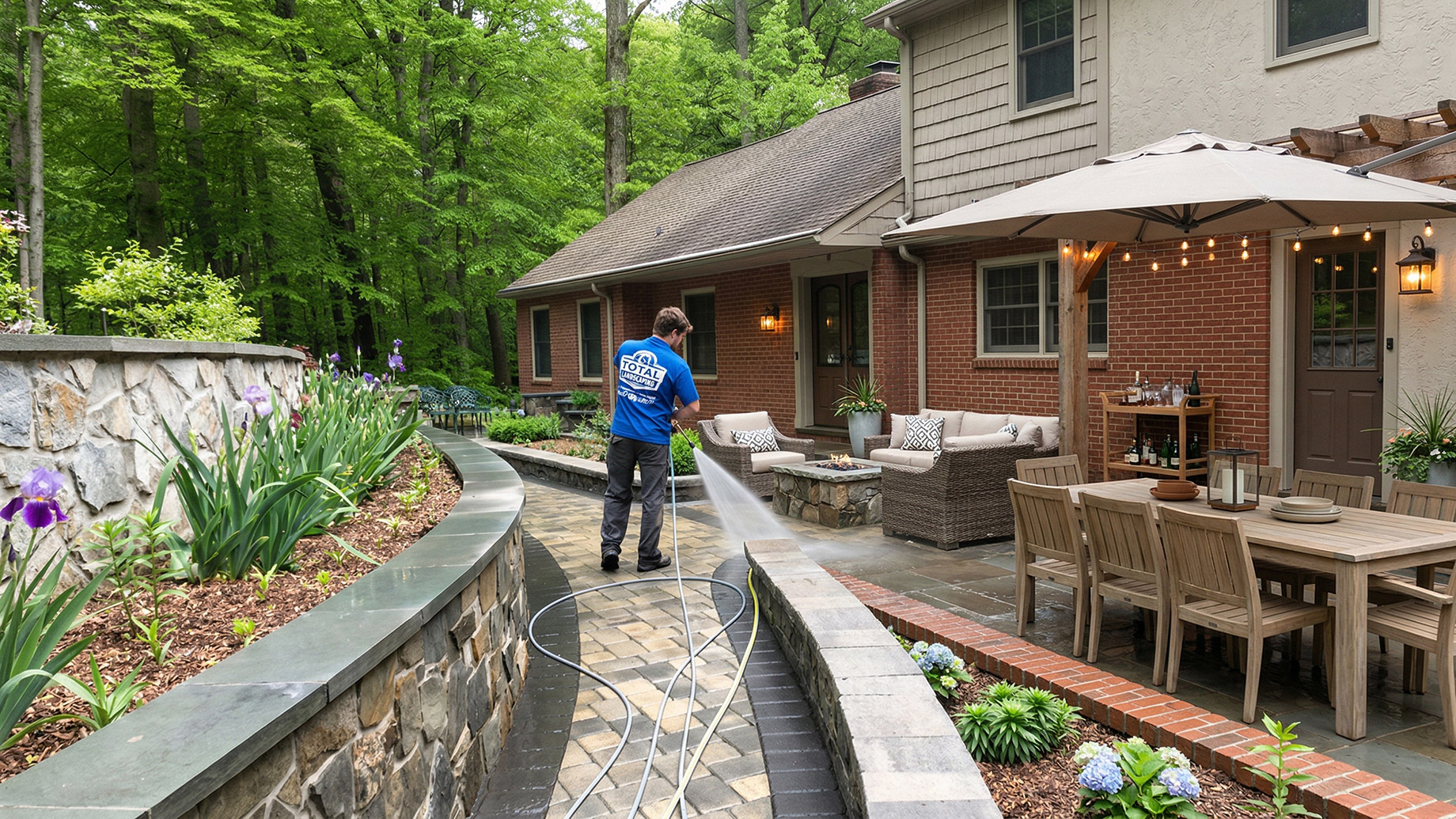
Spending hours scrubbing a patio or pool deck only to see grime return days later frustrates many homeowners. You invest time and effort into making your backyard the perfect gathering spot, yet dirt seems to reappear almost instantly. Understanding why outdoor entertaining spaces lose their clean look requires looking beyond surface-level dirt.
Various environmental factors constantly interact with your hardscaping materials, accelerating the buildup of grime, dust, and organic matter. From microscopic airborne particles to the heavy boots of family members, your patio fights a constant battle against the elements. Recognizing these underlying causes helps you manage expectations and build a smarter maintenance routine for your backyard retreats.
The Hidden Impact of High Foot Traffic Patterns
Your patio and walkways serve as the primary arteries of your backyard. Every time someone steps from the lawn onto the concrete or stone, they carry microscopic soil particles, grass clippings, and natural oils on the soles of their shoes. Over time, these tiny deposits accumulate and grind directly into the surface of your entertaining areas.
Pets also play a significant role in this rapid dirt accumulation. Dogs and cats running through garden beds bring mud and natural debris directly onto your freshly swept deck. This continuous transfer of organic matter forms a thin, stubborn layer of grime that darkens the stone.
Even barefoot traffic contributes to the problem. Human skin leaves behind natural oils that attract and hold onto fine dust blown in by the wind. Understanding traffic flow helps explain why the areas immediately surrounding doorways and pool ladders darken much faster than the far corners of your outdoor living space.
How Nearby Landscaping Contributes to the Mess
Lush gardens and towering shade trees create a beautiful atmosphere for outdoor gatherings. However, this same vegetation acts as a primary source of the debris that ruins a pristine patio. Plants constantly shed organic material, including leaves, pollen, pine needles, and tiny blossoms.
When these natural elements land on your outdoor hardscapes, they begin to decompose. Moisture from morning dew or sprinkler systems accelerates this breakdown process. As leaves rot, they release tannins, which act as natural dyes that easily stain light-colored concrete or natural stone pavers.
Mulch beds bordering your entertaining zones also shift during heavy rain or strong winds. Tiny fragments of wood chips and dark topsoil migrate onto your walkways, instantly compromising that freshly swept appearance. Managing the buffer zone between your plants and your patio remains crucial for extending the lifespan of your cleaning efforts.
The Invisible Enemy of Airborne Debris
You cannot see it, but the air around your home carries an astonishing amount of particulate matter. Wind transports fine dust, vehicle exhaust particles, and industrial emissions across great distances. Gravity eventually pulls these suspended particles down, where they settle heavily on flat surfaces like pool decks and outdoor dining areas.
During dry seasons, agricultural dust or soil blown from nearby construction sites coats outdoor furniture and flooring. Pollen counts also spike, leaving a distinct yellow or green film over everything in your backyard. Because these particles are microscopic, a simple sweep with a broom often just pushes them around rather than removing them completely.
In many cases, homeowners turn to services like power washing in Wilmington for houses and driveways to remove this stubborn layer, as standard cleaning methods cannot fully eliminate deeply settled particles. This invisible rain of debris guarantees that any outdoor surface will eventually develop a dull, hazy appearance.
Moisture, Mildew, and Algae Growth on Patios
Water plays a dual role in your backyard environment. While necessary for your lawn and garden, excess moisture provides the perfect breeding ground for organic growth on your hardscapes. Shaded sections of your walkway or patio hold onto morning dew and rainwater much longer than areas exposed to direct sunlight.
This persistent dampness invites mildew, mold, and green algae to take root. These organisms thrive in the tiny pores of concrete, brick, and natural stone. Once established, algae spreads rapidly, turning a bright, clean surface into a dull, slippery, and dark mess.
Poor drainage around your entertaining spaces worsens this issue. When water pools near the edge of a patio instead of draining away, it wicks back into the stone. This constant dampness ensures that organic growth returns aggressively, no matter how hard you scrubbed the surface the weekend before.
Why Outdoor Entertaining Spaces Lose Their Clean Look: The Role of Material Porosity
The specific materials used to build your outdoor spaces greatly influence how quickly they look dirty. Concrete, brick, and unsealed natural stones feature highly porous surfaces. Under a microscope, these materials look like hard sponges, full of tiny holes, cracks, and crevices.
When dirt, muddy water, or spilled barbecue sauce hits these surfaces, the liquid carries the dark pigments deep into the pores. Surface cleaning methods, such as sweeping or light hosing, only remove the debris sitting on the very top. The embedded dirt remains trapped below the surface, leaving the patio looking perpetually dull.
This is why many homeowners periodically rely on power washing in Wilmington for houses and driveways, as the high-pressure cleaning can penetrate these pores and lift out deeply embedded grime that regular cleaning cannot reach. Without a high-quality sealant, your hardscapes will continuously absorb environmental contaminants.
Periodic Resets Versus Constant Daily Upkeep
Accepting that outdoor spaces will naturally accumulate dirt takes the pressure off your daily routine. Instead of stressing over every fallen leaf or dusty footprint, homeowners should focus on simple maintenance combined with scheduled, deep-cleaning resets.
A quick blast with a leaf blower or a fast sweep keeps loose debris from settling permanently. You do not need to scrub the stone every single week to maintain a welcoming environment. Instead, rely on a thorough wash a few times a year to strip away the embedded grime, algae, and tannin stains.
For these deeper resets, many people choose power washing in Wilmington for houses and driveways to restore surfaces efficiently. This method helps bring back the original look of patios and walkways without requiring constant effort.
Simple Strategies to Extend the Clean Appearance
While you cannot stop nature, you can implement smart habits to keep your backyard looking presentable for longer stretches. Creating physical barriers and adjusting your landscaping makes a noticeable difference in daily dirt accumulation.
Consider these practical steps to protect your outdoor living areas:
- Place high-quality, heavy-duty mats at all transition points between the lawn and the patio to catch dirt from shoes and paws.
- Trim back overhanging tree branches to reduce the amount of sap, leaves, and bird droppings falling directly onto your dining spaces.
- Adjust your lawn sprinklers to ensure they do not spray hard water or mud directly onto your walkways and pool decks.
- Apply a penetrating sealer to porous stone and concrete every few years to block out stains and moisture.
By combining these strategies with occasional power washing in Wilmington for houses and driveways, you can significantly extend the clean appearance of your outdoor spaces.
Conclusion
Maintaining a pristine backyard requires understanding the environmental forces constantly at work. From heavy foot traffic and decomposing landscaping debris to microscopic airborne dust, your hardscapes endure daily punishment. Recognizing these factors helps explain exactly why outdoor entertaining spaces lose their clean look so rapidly.
Instead of fighting an unwinnable battle for perfection every single day, you can adopt a smarter approach. By managing the surrounding vegetation, sealing porous surfaces, and using solutions like power washing in Wilmington for houses and driveways when needed, you can protect your investment. This balanced strategy ensures your outdoor living areas remain inviting, beautiful, and ready for your next gathering without demanding constant, exhausting upkeep.
