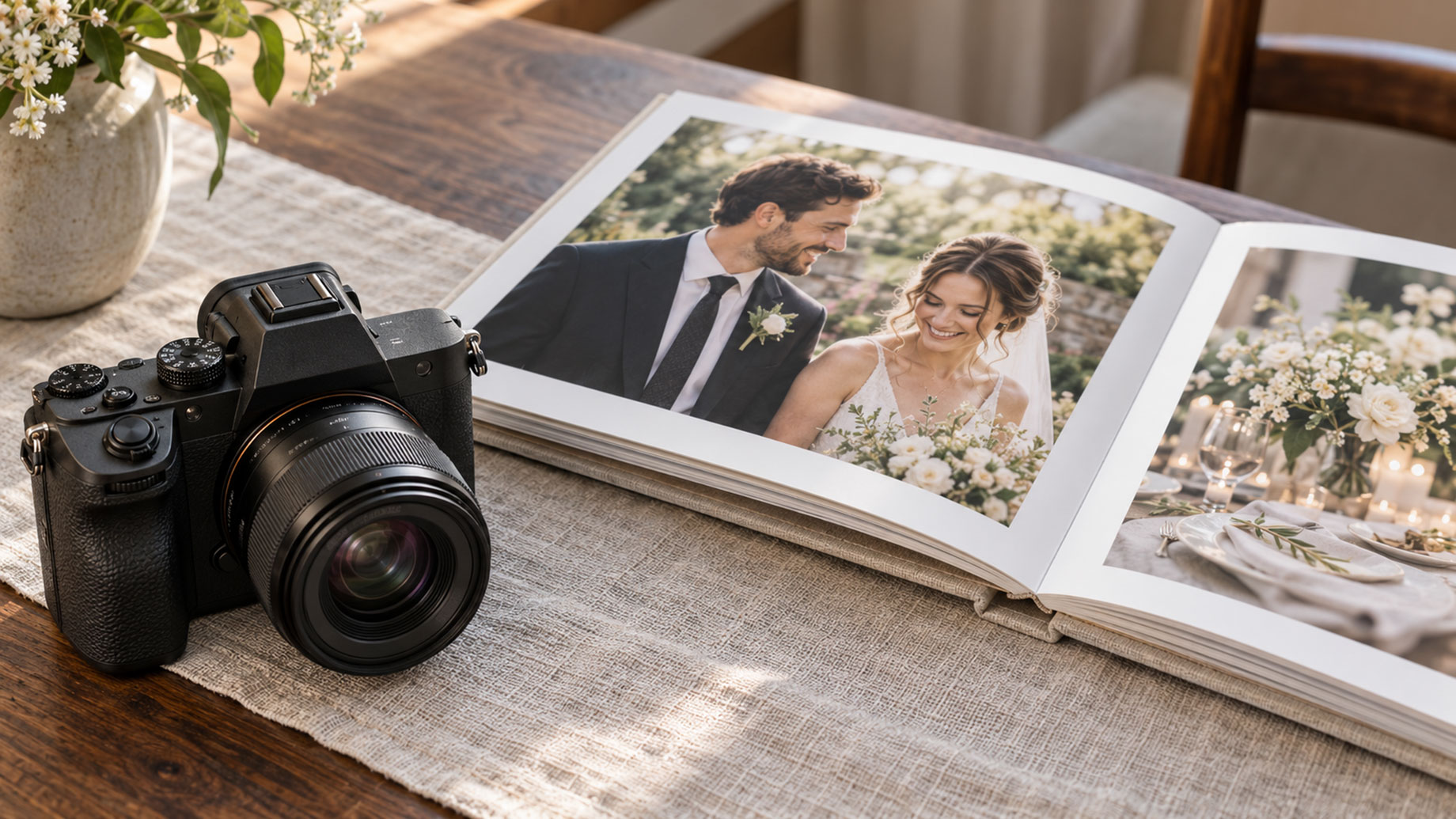
In the case of searching for a prospective wedding photographer, it is necessary to ensure that the quality of their work will be excellent under any lighting conditions. It is also advisable to determine if there are detailed terms regarding the ownership and the delivery of the photos provided. It is essential to make sure that the photos’ visual appearance corresponds to the preferences. One should not forget about feeling comfortable communicating with the photographer, as it ensures following one’s plan and capturing real-life moments.
For the selection of a good creative professional, one has to take into consideration aspects such as skill, backup equipment, and flexibility. In New York Wedding photographer dealing with weddings has to be able to handle changing lighting, a busy schedule, and difficult situations.
Defining Your Core Wedding Photography Aesthetic
Before you talk to any vendors, it is extremely important that you have figured out what kind of an aesthetic you want for your wedding photo album. Each and every photographer has his/her own approach to photography.
Documentary and Photojournalistic Style
A photojournalistic approach is all about real, unposed moments. The photographer is there as someone you do not notice much. They take pictures of people’s real reactions, true feelings, and how the event goes on its own. The photographer does this without stopping your guests or telling them what to do.
Fine Art and Editorial Style
Fine art photography makes your event feel like a high-style magazine shoot. The photos are posed on purpose and planned with care. The lighting is set up well and looks smooth. Photographers who use the style work to keep the backgrounds clean. They pick out artistic ways to set up the shots. There will be close-up images of the clothing, flowers, and decor to show the fine details.
Classic and Traditional Style
Traditional photography focuses on classic portraits. Photographers in this style want people looking right at the camera. They use planned group shots and simple, natural color. This helps the images keep their charm for many years.
Dark and Moody vs. Bright and Airy
Color grading has a big impact on the emotional atmosphere:
- “bright and open”: High-key lighting, pastel colors, raised shadows, and soft lighting technique.
- “dark and moody”: Shadows, high contrast, earthy colors, and heavy shadow falloff.
Technical Rigor and Equipment Preparedness
A photographer needs to have a clear artistic vision. They must use good skills and the right tools to get great results. The equipment should also work well every time.
Comprehensive Low-Light Mastery
Receptions, indoor chapels, and outdoor evening events need strong skills with low light. Ask about using flash away from the camera, good high-ISO sensor performance, and quick main lenses. This makes sure you get sharp and clear photos when it is dark, like during reception dances or when the ceremony is not well-lit.
Dual Card Slots and Data Redundancy
Professional camera bodies have two memory card slots. They save the same photo on both cards at the same time. This quick backup keeps your memories safe from card errors or if anything goes wrong with the equipment.
Physical Equipment Backups
Ask the candidates what backup hardware they bring with them. A good main photographer always brings more than one camera body. They also pack a mix of main camera lenses, extra flash units, more batteries, and several options for memory storage.
Portfolio Evaluation and Full Gallery Review
Most people see just one great picture from an artist on social media. That can show the best someone can do. But it does not show all the work and skills the artist has.
Reviewing Full Event Galleries
Request a few sample wedding albums all the way through. Reviewing an entire album helps you get an idea of how the photographer deals with challenging lighting conditions, chaotic pre-wedding preparations, large family group shots, and dim party environments.
Checking Consistency Across Lighting Environments
Check if the gallery quality stays good at every part of the event:
- The direct sun at midday
- Bright indoor lights from fluorescent bulbs
- A soft glow at sunset during golden hour
- A very dark evening at receptions
Assessing Professional Liability and Contractual Transparency
Clear contract terms help stop people from not understanding what things will be given, when work will be done, and what people can do with the work.
Liability Insurance Coverage
Many top places ask vendors to show a Certificate of Liability Insurance before they can go on the property. Make sure the photographer you choose has enough commercial general insurance.
Image Rights and Personal Usage Permissions
Make clear that copyright ownership and print release rights are not the same.
Copyright ownership means that you own the rights to use and control the photos. A print release lets you use the photos to make prints for yourself, but you do not own the rights.
So, the person with copyright can do more things. The person with a print release can only make prints for their own use.
- Personal Use Rights: You can print, download, and share high-quality images online without any rules to stop you.
- Business Copyright: The photographer keeps the rights for showing the images to help with their business, show their work, or enter contests.
Post-Production Timelines and Deliverable Counts
Make sure your written agreement clearly says when you will get the photos. It should tell you how many finished photos you will get. It should say when you can see a preview. It must also show how the big, clear files will be given to you.
Evaluating Personality Fit and On-Site Leadership
Your wedding photographer will accompany you through most of the events on your wedding day. Communication is an important aspect to ensure that everything goes smoothly.
The Initial Consultation
Arrange for an initial video consultation or even a face-to-face meeting to understand how the two of you communicate, how they act as a leader, and how they interact. They should be comfortable to work with and should give you a chance to raise your concerns regarding the event.
The Engagement Sessions as Trial Runs
This is a great way to prepare yourself for the main event. You will feel more comfortable when posing before the lens and you will have an opportunity to see how the photographer guides you into various poses.
Frequently Asked Questions
When should I reserve my wedding photographer?
Most of the couples reserve their main wedding photographer between 9 and 18 months before their wedding day. This is more common during the peak seasons and weekend weddings.
Do I need a second photographer for my wedding?
The second photographer adds an additional hand. They take photographs from various angles during the ceremony and can shoot from another location for the bride’s preparation at the same time. In addition, they capture more reactions of the guests during the cocktail hour.
What if my photographer gets sick on the wedding day?
The contract must state what will happen during any kind of emergencies. It must state who will replace the photographer in case he/she cannot attend. The replacement must be equally talented and must be selected through credible organizations in that field.
Choosing the right visual team is about finding a good mix of your own style and strong skills. A team should be able to work in a calm and dependable way. If you plan a big luxury event or just need an NYC Courthouse Wedding Photographer, you should check how much past work they have. You need to feel good about the cameras they use and know the work is safe by law. Doing this will help you keep your special memories safe for many years.
