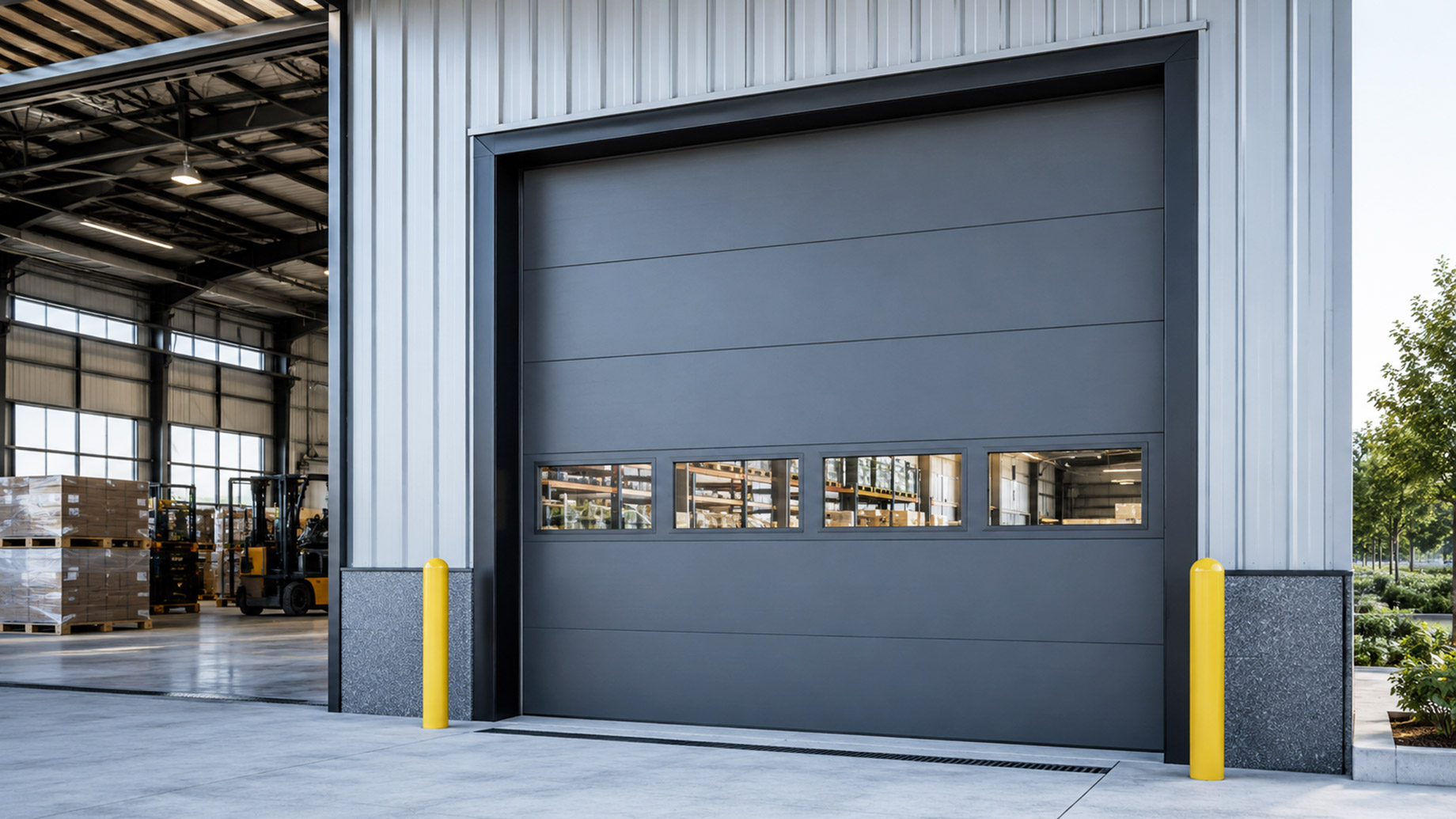
Running a business means focusing on the things that keep operations moving, and your commercial garage door is one of them. It protects your property, supports daily workflows, helps control energy costs, and allows employees, equipment, and deliveries to move in and out safely. Most of the time, it fades into the background until something goes wrong. When it starts sticking, making unusual noises, or refusing to open, even routine tasks can quickly turn into costly delays. If you’re planning to replace your door, it helps to understand what really matters before investing in a solution that looks good on paper but doesn’t perform reliably in everyday use.
Focus on Your Business Needs
When you’re planning a new door, the first question isn’t color or style. It’s what the door needs to do every single day. A busy loading area has very different demands from a quieter service bay or storage building. That’s why many owners start by looking into commercial garage doors installation when their current setup begins slowing down business, creating safety concerns, or driving up repair calls.
A door should open smoothly, seal well, and fit the pace of your operation. If employees are waiting on a sluggish door every morning, that lost time adds up fast. If the door rattles like it’s auditioning for a drum solo, that’s another sign something isn’t right.
Think of the door as part of your workflow, not just part of the wall. When it works well, your day moves easier. When it doesn’t, everybody notices.
Choose the Right Door for Your Business
Not every business needs the same kind of door, and that’s where some owners get tripped up. A warehouse may need a larger opening and stronger materials for repeated truck access. An auto shop may care more about visibility, insulation, and reliable daily cycling. A storage facility might focus on security and simple operation.
If your building has customer-facing areas, appearance can matter more than you’d think. A dented, noisy door sends a message, and it’s usually not a great one. On the other hand, if your operation depends on deliveries, speed and durability may matter more than looks.
You should also think about your location. Wind, rain, heat, and cold all affect performance. A door that works great in mild weather might struggle in a harsher climate. The best choice usually comes from matching the door to your real routine, not just picking the one with the nicest brochure photo.
Think about daily wear
A commercial door can look sturdy on day one and still wear out faster than expected if it gets used nonstop. That’s why daily traffic matters so much. If your team opens and closes the door dozens of times a day, you need something built for that kind of repetition.
Heavy use creates stress on tracks, springs, panels, and openers. Small issues can pile up quickly when the door never gets much of a break. Noise is another clue. A little sound is normal, but grinding, banging, or jerky movement usually means trouble is brewing.
You should also think about bumps and scrapes. In busy work zones, doors get hit by carts, forklifts, and distracted humans who are sure they had enough clearance. It happens. Good materials and a proper fit help the door hold up better over time.
A practical door isn’t just one that closes. It’s one that keeps doing its job after months and years of real-world use.
Plan for safety needs
Safety is one area where “good enough” really isn’t good enough. If a commercial door serves employee areas, delivery zones, or spaces near customers, smooth and predictable operation matters a lot. A door that sticks, drops unevenly, or reacts slowly can become a real hazard.
You’ll want to think about visibility and access too. In some settings, windows help people see movement on the other side. In others, tighter security is the bigger concern. Sensors, reliable openers, and proper alignment all help reduce risk without making the setup overly complicated.
This is also why professional installation matters. Even a quality door can become a headache if it’s fitted poorly. Safety features need to work correctly from the start, not someday after a service call.
A safer door protects more than products and vehicles. It helps protect your staff, your schedule, and your peace of mind. That’s a pretty good return for something most people only notice when it stops working.
Budget beyond the price
It’s tempting to compare doors by sticker price alone, but that number rarely tells the whole story. A lower-cost option may save money today and cost you more later in repairs, maintenance, and lost time. Cheap can be sneaky like that.
A better way to budget is to think in years, not just in purchase cost. Will the door help with insulation and lower energy loss? Will it need frequent service? Will a stronger model reduce downtime during busy weeks? Those questions often matter more than getting the lowest quote.
Installation quality matters here too. A solid product installed badly can become an expensive lesson. You’re not just paying for a door. You’re paying for dependable operation and fewer interruptions.
If your business depends on vehicles, shipments, or secured access, every hour of downtime has a cost attached to it. Looking at long-term value helps you make a choice that supports your business instead of quietly draining it.
Prepare for emergencies
A broken commercial door can throw your whole day off track. Deliveries may get delayed, employees may not access key areas, and security can become a serious concern fast. That’s why emergency service matters so much for commercial properties.
Unlike a squeaky cabinet at home, this isn’t the kind of problem you can ignore for a week and hope it behaves. If the door won’t open, business can stall. If it won’t close, you may have inventory, equipment, or vehicles exposed overnight. Neither situation is fun.
Fast response is especially important when your operation runs on schedules. A missed pickup window or blocked loading zone can ripple into customer complaints and revenue loss. Even a short outage can create a long, annoying domino effect.
When you’re choosing a provider, it helps to ask about emergency commercial service before you need it. The best time to plan for a door emergency is before your door decides to become dramatic.
Choose the right installer
Picking the right installer can make the whole project smoother from day one. You want a company that understands commercial properties, not just one that can technically hang a door. Experience with busy business environments matters because the stakes are different.
Ask practical questions. How often do they work on buildings like yours? What types of doors do they offer? Do they handle maintenance and repairs after installation? Can they respond quickly if something fails later on? Those answers tell you a lot.
It also helps to pay attention to how they communicate. If a provider explains options clearly and asks about your workflow, that’s usually a good sign. If everything sounds vague or rushed, trust your gut.
A good installer doesn’t just sell you a door. They help you choose a setup that fits your building, your schedule, and your long-term needs. That kind of support is worth a lot when business is busy, and surprises are the last thing you need.