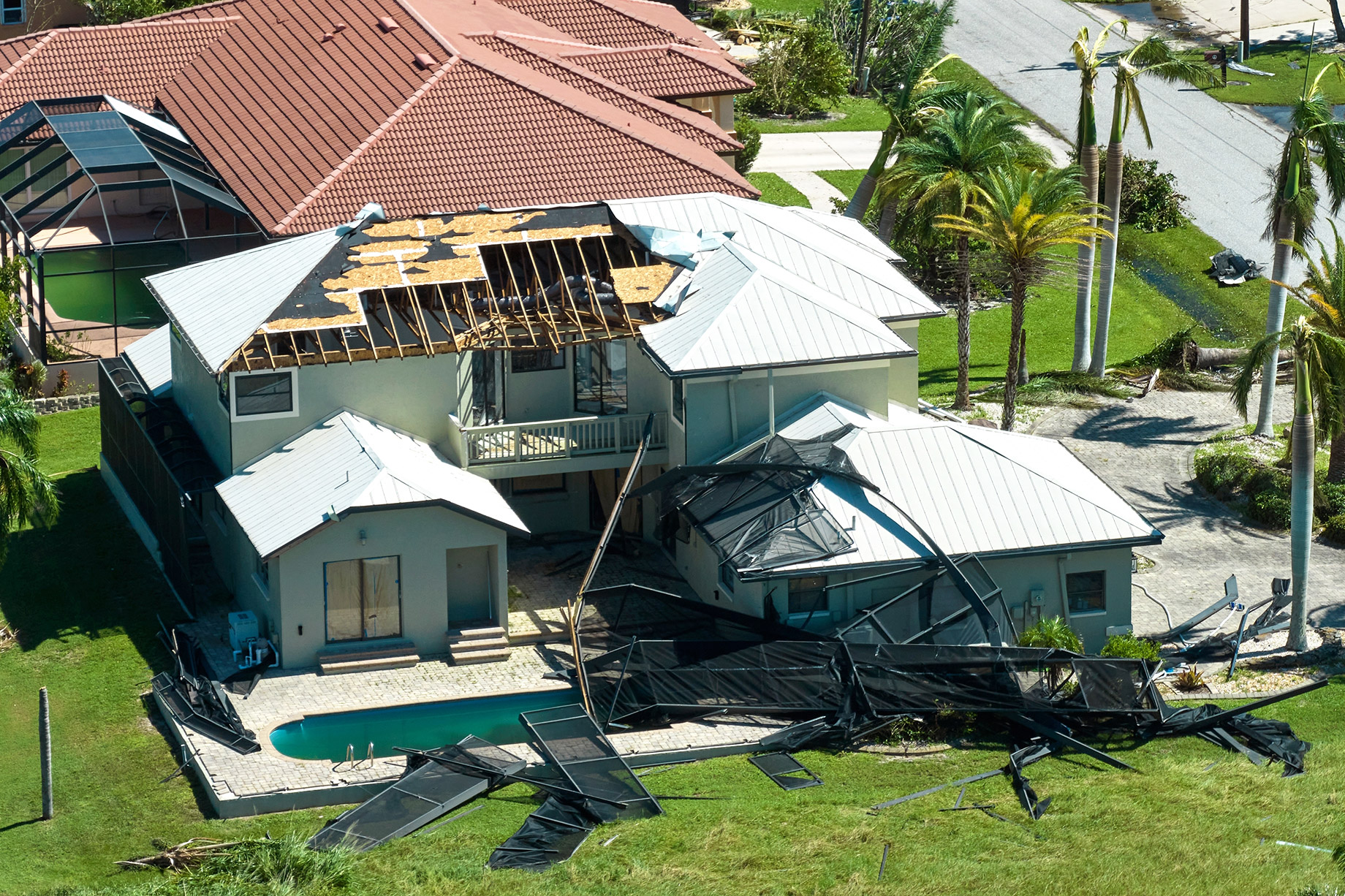
Hurricanes can leave behind more than visible damage. For many homeowners, the aftermath includes a complicated insurance process that does not always go as expected. While policies are meant to provide financial protection, disputes can arise over coverage, timelines, or the value of a claim. What initially seems like a straightforward process can quickly turn into a prolonged and frustrating experience.
In situations like these, understanding when a hurricane damage lawyer may become relevant is an important part of navigating the claims process. Legal involvement is not always the first step, but it often becomes a consideration when challenges begin to affect the outcome of a claim.
Why Insurance Disputes Happen After Hurricane Damage
Insurance disputes following a hurricane are not uncommon. These issues can develop for several reasons, often linked to how policies are written and interpreted. One of the most frequent points of confusion involves the distinction between wind damage and flood damage. Since these are often covered under separate policies, determining the cause of damage can influence whether a claim is approved or denied.
Delays in claim processing can also lead to complications. After a major storm, insurance companies may handle a high volume of claims, which can slow down inspections, evaluations, and payments. In some cases, homeowners may receive settlements that feel lower than expected, leading to questions about how the value of damages was calculated.
Additionally, incomplete documentation or missed deadlines can impact the progress of an insurance claim. Even small gaps in information can result in requests for further review, prolonging the process.
When Legal Guidance Becomes Part of the Conversation
Not every insurance claim requires legal involvement. However, there are certain situations where individuals begin to explore their options more closely. For example, a claim denial without a clear explanation, repeated delays without resolution, or a settlement that does not appear to reflect the extent of the damage may prompt further action.
This is often where discussions around working with a lawyer come into focus. Legal professionals can help interpret policy language, review claim details, and identify whether the handling of a claim aligns with applicable regulations.
Another important aspect involves understanding communication with insurance companies. Policies contain specific terms and conditions, and navigating these can be challenging without familiarity with how they are applied in real scenarios.
What a Lawyer Typically Reviews
When a claim dispute reaches a more complex stage, legal review often begins with a detailed evaluation of the insurance policy itself. This includes examining coverage limits, exclusions, deductibles, and any endorsements that may apply.
In addition to the policy, documentation plays a key role. Photographs, repair estimates, inspection reports, and correspondence with the insurance company are all considered when assessing the situation. These materials help establish a clearer picture of the damage and how the claim has been handled so far.
A lawyer may also look at timelines, ensuring that the claim has been processed within the expected timeframe. In some cases, delays or decisions may raise questions about whether the process has been handled appropriately under state regulations.
The Importance of Timing and Deadlines
One of the most overlooked aspects of insurance disputes is timing. Insurance policies and state laws often include strict deadlines for filing claims, submitting additional documentation, or disputing a decision. Missing these deadlines can limit the available options for resolving a claim.
This is why staying informed about timelines is essential, especially in the aftermath of a hurricane when multiple tasks are being managed at once. Understanding how these deadlines apply can help prevent additional complications later in the process.
Taking a Measured Approach
Dealing with hurricane damage is already a stressful experience, and insurance-related challenges can add another layer of complexity. While not every situation leads to a dispute, it is helpful to understand the different paths a claim may take and the factors that can influence its outcome.
Learning about the role of a hurricane damage lawyer in these scenarios provides a broader perspective on how insurance disputes are handled. Rather than being a first step, legal involvement is often part of a gradual process that depends on the specifics of each case.
Conclusion
Hurricane damage claims can involve more than just reporting losses and waiting for a response. From policy interpretation to claim evaluation, multiple factors shape how these situations unfold. When disputes arise, having a clearer understanding of the process and the potential role of legal guidance can make it easier to navigate the next steps with confidence and clarity.
