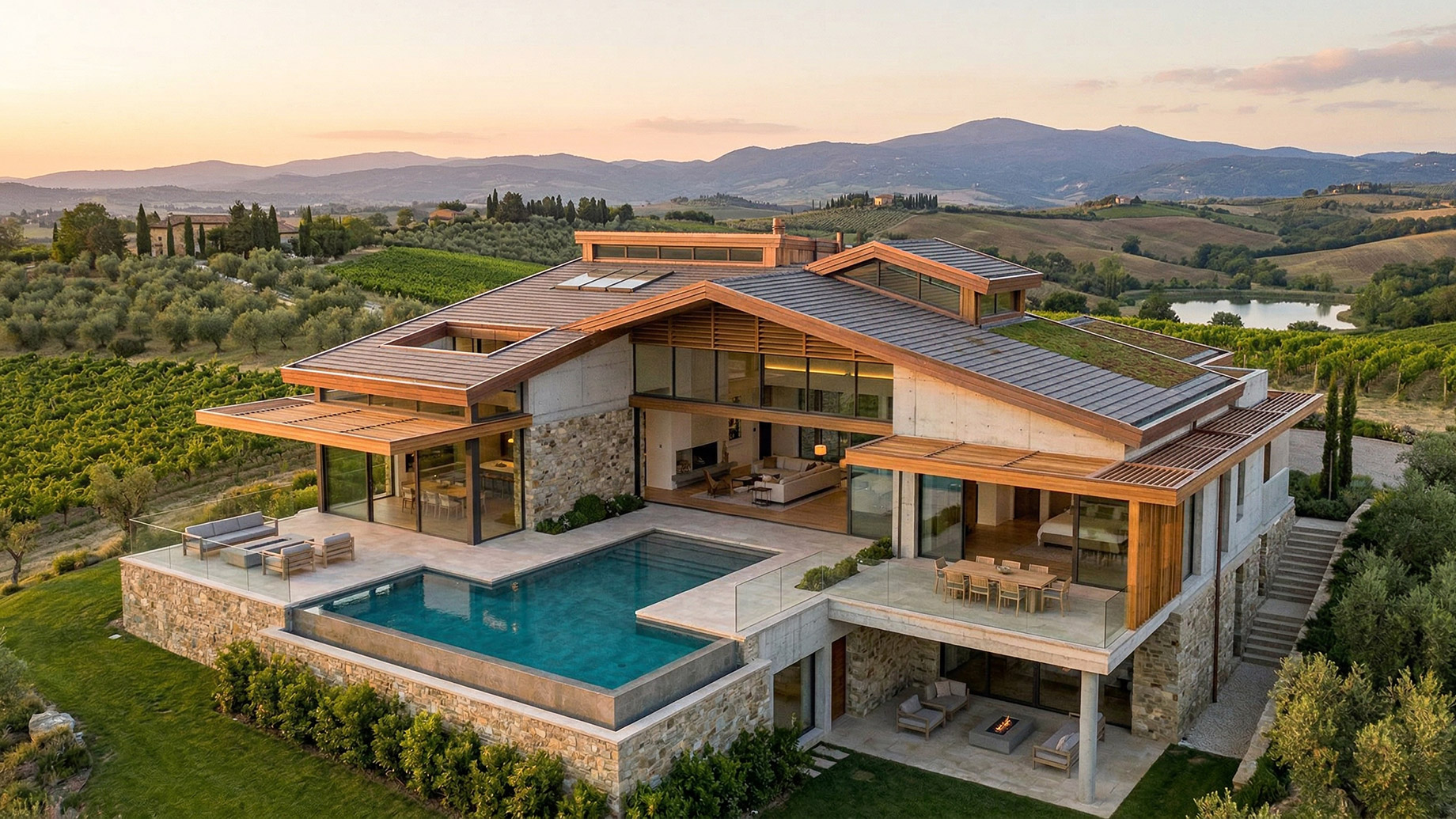
Architecture exists at the intersection of art and engineering. It must protect, support, and serve practical needs — yet it also has the power to inspire, calm, and elevate daily experience. The most successful buildings are not those that prioritize beauty over usability or efficiency over expression. Instead, they achieve harmony between both.
When architecture functions flawlessly but lacks aesthetic consideration, it can feel sterile. When it is visually striking but impractical, it quickly loses value. True excellence lies in integration.
Designing With Purpose First
Every strong architectural concept begins with purpose. A building must respond to how it will be used before aesthetic layers are applied. Homes must support daily routines and comfort. Offices must encourage productivity and collaboration. Public spaces must allow for accessibility, safety, and intuitive movement.
When architects define a building’s function clearly, form begins to evolve naturally. Circulation paths, room dimensions, and spatial relationships are shaped by use. Rather than limiting creativity, these parameters create a structure within which design innovation can thrive.
Purpose-driven planning ensures that beauty enhances functionality rather than competing with it.
Materials That Perform and Inspire
Material selection is central to blending practicality and visual impact. Durable materials ensure structural integrity and longevity, while texture and tone define atmosphere.
Concrete can provide strength and sculptural presence. Glass can maximize daylight and create transparency. Wood can introduce warmth while remaining structurally sound. The key lies in choosing materials that satisfy environmental, structural, and aesthetic requirements at once.
Architecture-focused platforms such as www.kdarchitects.net explore how material choices influence both performance and design quality. As a website dedicated to architectural concepts and project perspectives, it highlights how thoughtful material integration supports buildings that are as durable as they are visually compelling.
Proportion and Scale Create Harmony
One of the most powerful tools in achieving both function and beauty is proportion. Humans instinctively respond to balanced spatial relationships. Ceiling heights, window placements, and room dimensions all influence how comfortable a space feels.
Architects carefully calibrate scale in relation to the human body. Wide corridors prevent congestion. Properly sized windows optimize daylight without overwhelming interiors. Exterior façades rely on rhythm and symmetry to create visual cohesion.
When proportion is handled well, a building feels intuitive. People move through it naturally, experiencing ease and elegance simultaneously.
Light as a Functional and Emotional Element
Light is essential for visibility and safety, but it also shapes emotion. Natural light improves well-being and reduces energy demands. Strategic orientation and window placement can transform how interiors feel throughout the day.
Artificial lighting adds another layer of refinement. Layered illumination supports tasks while enhancing architectural features and atmosphere.
When light is treated as both a technical necessity and a creative medium, buildings gain depth and character.
Structural Clarity and Expression
Beautiful architecture often reveals how it stands. Structural clarity — where beams, supports, and load-bearing elements are logically integrated into the design — creates authenticity.
When structure and aesthetics align, nothing appears forced. A cantilever solves a spatial challenge while offering visual drama. Exposed steel may serve both engineering needs and stylistic intent.
This honesty strengthens both function and visual identity.
Designing for Human Experience
At its core, architecture is about people. Functional layouts improve efficiency, but beauty shapes emotional connection. Acoustics, airflow, transitions between rooms, and outdoor integration all influence daily life.
A thoughtfully designed home fosters comfort. A well-planned public building encourages engagement. A cohesive workplace enhances focus and collaboration.
When architects consider both technical performance and human experience, the result feels complete.
Longevity and Adaptability
Functional beauty also requires adaptability. Flexible layouts, durable construction, and forward-thinking systems ensure buildings remain relevant over time.
Spaces that can evolve with changing needs maintain both practical value and aesthetic appeal. Timeless architecture does not chase trends; it relies on strong fundamentals that endure.
Architecture becomes both functional and beautiful when every decision serves multiple purposes. Purpose guides layout. Proportion shapes comfort. Materials balance durability and character. Light enhances performance and mood. Structure reinforces clarity.
When these elements align, architecture transcends mere construction. It becomes a living environment that supports daily life while inspiring those who move through it — proving that function and beauty are not opposites, but partners in exceptional design.To companies that are interested in enhancing not only their digital infrastructure but also their general resilience and reliability, a general investigation into trusted service providers, such as http://artisanroofing.ca/ can provide helpful insights regarding the maintenance of reliable and resilient systems in every tier of operation.
