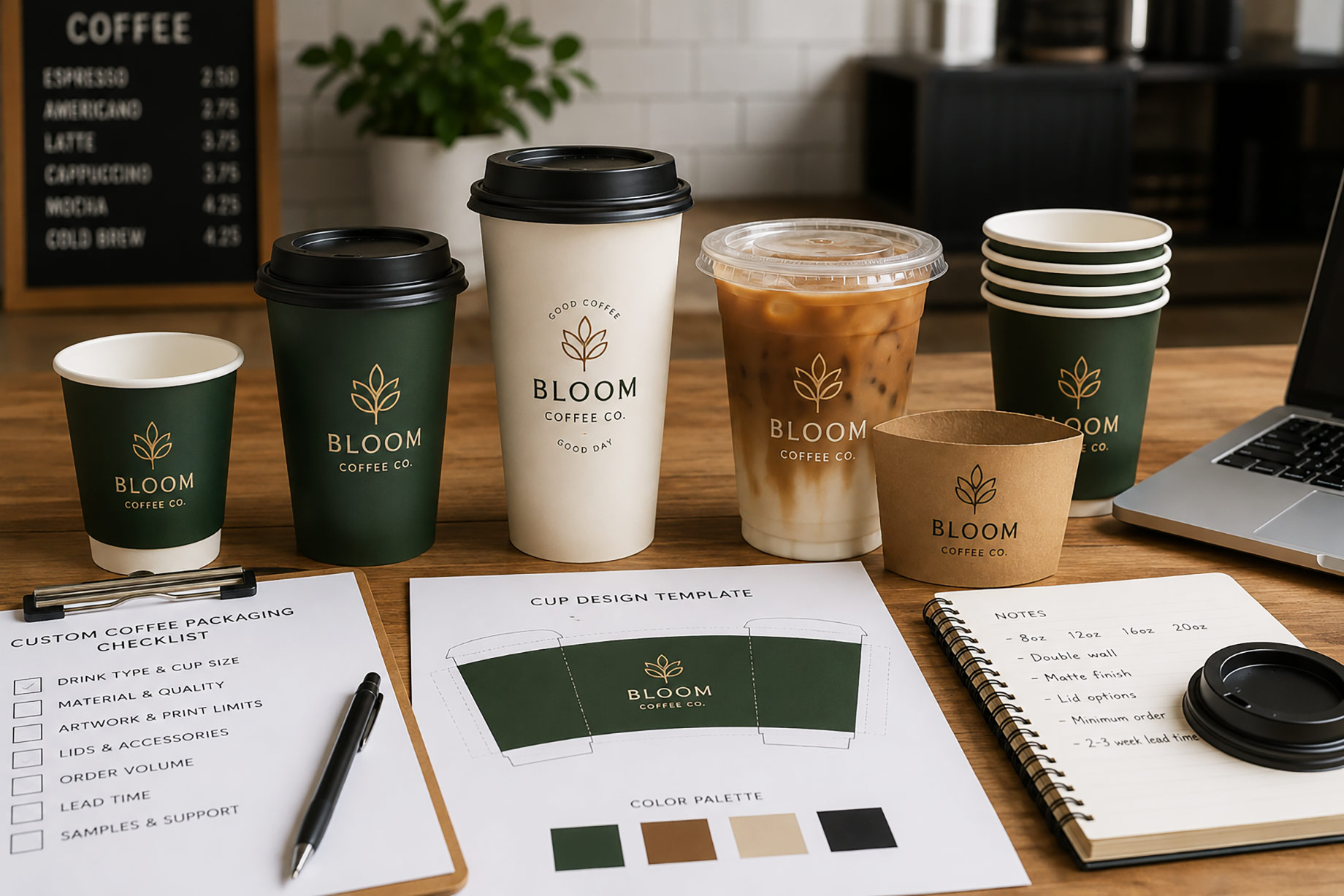
Cup choice affects cost, comfort, storage, and brand presentation. Size, material, print quality, lids, and order volume shape the final result. A poor match can slow service or create waste. This article covers the main points to review before placing an order.
Start With Drink Type and Cup Size
Hot drinks, iced drinks, and specialty beverages need different cup formats. A coffee cups supplier should offer sizes that suit the menu and service style. Check ounce capacity, rim width, and cup height before artwork begins. These details help lids fit well and reduce delays.
The menu should guide the order, not a popular size alone. Espresso drinks may need compact cups, while cold drinks need room for ice. Double-wall cups can aid heat control without a separate sleeve. Clear plastic cups can help display layered or colorful drinks.
Review Material and Daily Use
Packaging has to suit the pace of service. Paper cups should feel firm, while plastic cups need enough strength for transport. Sleeve stock should offer grip and sit securely around the cup. A sample can reveal the true feel and quality of the product.
Storage also deserves attention before a large order. Bulky cartons may strain a small stock room. Stack height, case count, and lid storage can affect workflow. A practical format helps staff restock with less disruption.
Check Artwork and Print Limits
A strong design needs clear space, readable type, and accurate color use. Fine lines may fade, while dense text can look cramped on a curved surface. Ask for a template before the design is final. It helps keep logos and text within the safe print area.
Key Details to Confirm
- Accepted artwork file types
- Print colors and surface finish
- Proof approval steps
- Logo placement for each size
A digital proof helps catch errors before production. Review text, logo scale, color balance, and seam placement. The Coffee Cups Supplier should explain limits linked to the print method or cup shape. Clear proof steps can improve order consistency.
Check Order Volume and Lead Time
Minimum order size can affect budget and storage. A low minimum may suit a first run, event, or short campaign. Larger quantities may reduce unit cost, but excess stock can tie up cash. The order volume should match realistic use.
Lead time deserves its own attention in the schedule. Production, proof approval, and delivery all add days to the timeline. Rush options may help with urgent needs, though extra fees can apply. Allow enough time for artwork changes and final checks.
Assess Lids, Samples, and Support
A cup order is incomplete if the lid fit is poor. Match the lid to rim size, drink temperature, and customer use. Sip lids suit hot drinks, while flat or dome lids may suit cold beverages. Test the full set before a large purchase.
Samples help check grip, print finish, cup strength, and lid fit. They also let staff test the product during normal service. A reputable retailer provides templates, proofs, samples, and order details without pushing one option. Good support makes each requirement easier to verify.
Custom coffee packaging should work for the drink, the staff, and the brand together. The best choice comes from practical checks. Review format, material, artwork, quantity, lead time, and fit before payment. A careful comparison helps reduce waste and keeps the order useful from storage shelf to service counter.
