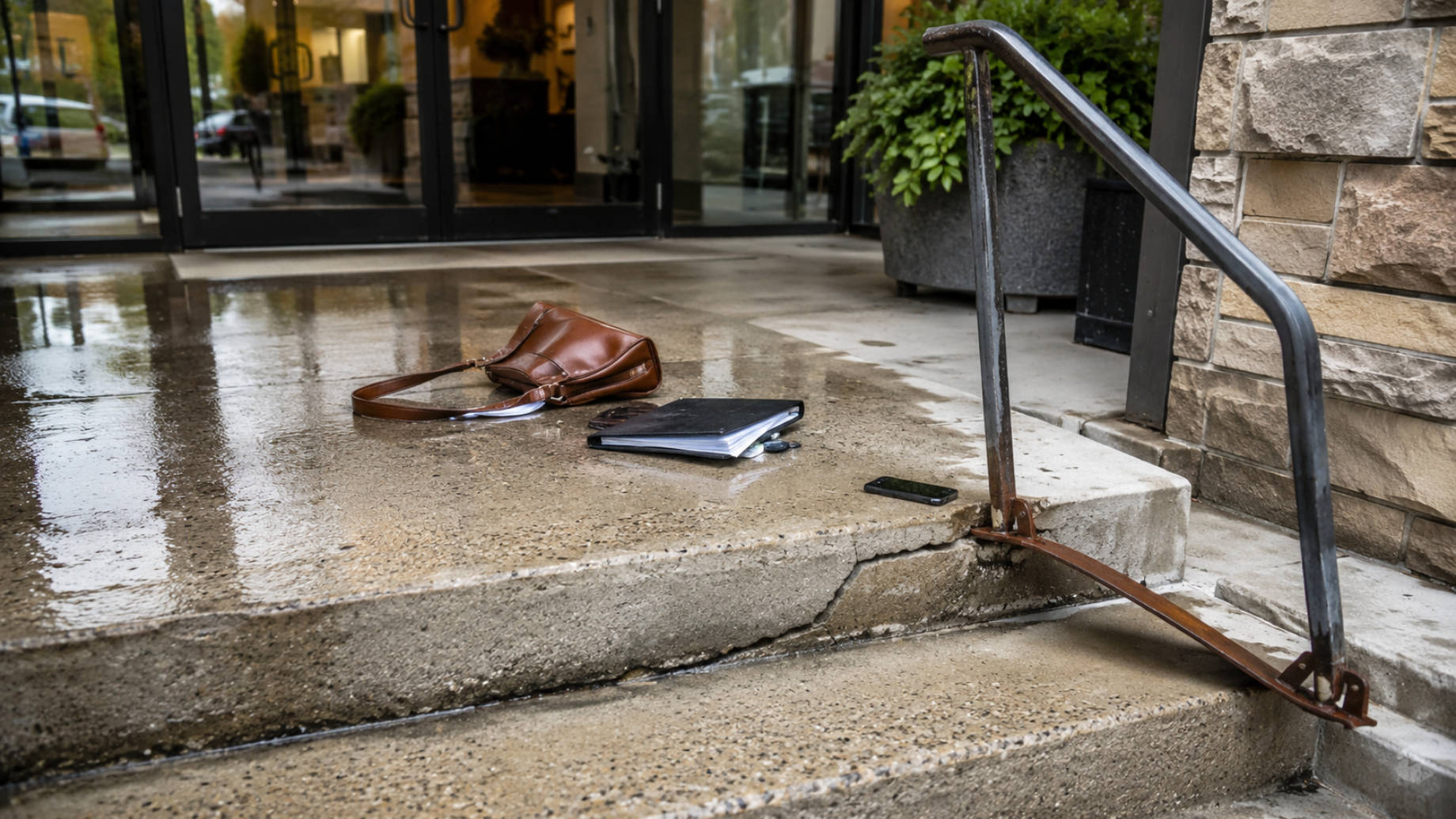
Accidents can happen anywhere at any moment. When you step onto someone else’s property, you expect a safe environment. Property managers must keep their spaces free from hidden traps.
Hazardous conditions can lead to sudden falls or severe harm. Knowing your legal options helps you protect your long-term recovery. Taking swift action secures your peace of mind.
Identifying Property Hazards
Property owners must maintain safe grounds for visitors. Broken steps, slippery floors, or poor lighting can cause serious harm. Property tracking shows these conditions cause many daily accidents across public spaces.
Dealing with a painful medical recovery can disrupt your routine. Seeking legal guidance from a personal injury lawyer helps injured people understand local premises laws. Legal advocates evaluate your medical documentation to construct a strong claim. They work to protect your financial interests during this stressful time.
Unsafe premises often stem from poor building upkeep. Landlords who ignore building codes create dangerous situations for unsuspecting guests. Immediate action helps document these issues before property managers fix the defects.
Understanding Premises Liability Law
Premises liability dictates who pays for injuries on a property. The rules vary depending on your reason for visiting the location. Visitors usually fall into distinct categories, like invitees or licensees. Courts review these roles to determine the owner’s legal duty.
Business guests receive the highest level of protection under the law. Shop owners must actively inspect their storefronts for hidden dangers. Neglecting regular inspections can create liability for unexpected accidents. Customers can seek damages if a store ignores clear structural issues.
Social guests have slightly different protections when visiting a private residence. Homeowners must warn guests about known hidden dangers on the property. Failing to mention a broken deck railing can lead to legal accountability. Residential safety requires mindful awareness from hosts.
Documenting the Scene Immediately
Gathering evidence right away strengthens your legal claim. Take photographs of the exact spot where your accident happened. Visual proof captures the dangerous condition before anyone can alter it. These records prevent defendants from hiding property neglect.
Construction sites hold unique dangers regarding elevation changes. A report from a federal safety agency revealed that over 1/3 of construction deaths stem from slips or falls, with 95.9% involving drops to lower levels. Safe scaffolding remains a major focus for safety inspectors. Workers and visitors face immense risks on poorly managed job sites.
Look around for any witnesses who saw your fall. Collect their phone numbers and brief statements about the incident. Neutral statements help verify your version of the events later. Third-party accounts carry significant weight during insurance disputes.
Seeking Medical Care Right Away
Your health should always remain your main priority. Visit an emergency room or a doctor immediately after your accident. Adrenaline can mask pain, making serious physical wounds seem minor at first. Getting an evaluation protects both your body and your legal rights.
Physical trauma can become increasingly dangerous for older demographics. Government health data indicated the fall mortality rate for older citizens rose 21% over a 6-year span. Early medical checkups can identify internal injuries before complications arise. Healthcare professionals provide the documentation required to validate your claims.
Medical records act as core evidence in your claim. These charts show the direct link between the hazard and your injuries. Missing a doctor visit can weaken your position against insurance adjusters. Consistent treatment proves you take your recovery seriously.
Handling Insurance Adjusters Cautiously
Insurance companies want to settle claims for small dollar amounts. Adjusters might call you quickly to ask for a recorded statement. Giving a statement without preparation can damage your chances of recovery. Protecting your words keeps your claim intact.
Protect your interests by following clear guidelines during insurance conversations. Keep these strategies in mind during your recovery:
- Provide only basic contact information to the claims adjuster.
- Avoid signing early settlement offers without legal reviews.
- Refuse to blame yourself for the property hazard.
- Direct complex inquiries to your legal representative.
Insurance agents use certain tactics to lower payouts. They might argue your footwear caused the slip instead of their client’s floor. Standing firm helps keep your voice heard throughout the process. Defensive arguments from corporations should not discourage you.
Calculating Your Total Financial Losses
Property injuries create heavy financial burdens for families. Medical bills accumulate rapidly from ambulance rides, surgeries, and physical therapy sessions. Tracking every single receipt helps you account for all economic damages. Out-of-pocket expenses can drain your savings quickly.
Lost wages represent another major component of your claim. Missing work means losing out on regular income and benefits. Severe accidents might even impact your future ability to earn a living. Replacing lost funds restores your family’s stability.
Non-economic damages cover your physical pain and emotional distress. These impacts lack a specific price tag but require fair compensation. Quantifying these losses involves looking at how your life changed. Evaluating your daily limitations helps build this portion of the claim.
Proving Fault In Your Property Claim
Winning a case requires proving the owner acted negligently. You must demonstrate that the owner knew about the hazard beforehand. Showing they had ample time to fix the issue supports your claim. Disinterested owners must face consequences for ignoring public safety.
Establishing liability involves proving specific elements in court. Legal claims rely on verifying these key aspects:
- The property manager owed you a duty of care.
- A dangerous condition existed on the premises.
- The manager failed to repair the known danger.
- The hazard directly caused your physical injuries.
Gathering maintenance logs can help establish a timeline of neglect. If a business skipped safety checks for months, its negligence becomes obvious. Clear timelines make it harder for defendants to deny responsibility. Documented negligence forms the core of successful premises lawsuits.
Meeting Critical Legal Deadlines
Every state enforces strict time limits for injury lawsuits. These rules specify exactly how long you have to file a case. Missing the deadline means losing your legal right to pursue compensation permanently. Strict statutes mean delay can destroy a valid claim.
Starting your case early gives your legal team time to investigate. Evidence can disappear quickly when properties undergo sudden renovations or ownership changes. Speaking with professionals early prevents costly filing delays. Swift action protects fading physical evidence from the scene.
Preparing paperwork takes time and careful attention to detail. Gathering accident reports and expert statements requires multiple weeks of steady effort. Acting quickly keeps your case moving forward smoothly. Consistent progress yields better outcomes in legal venues.
