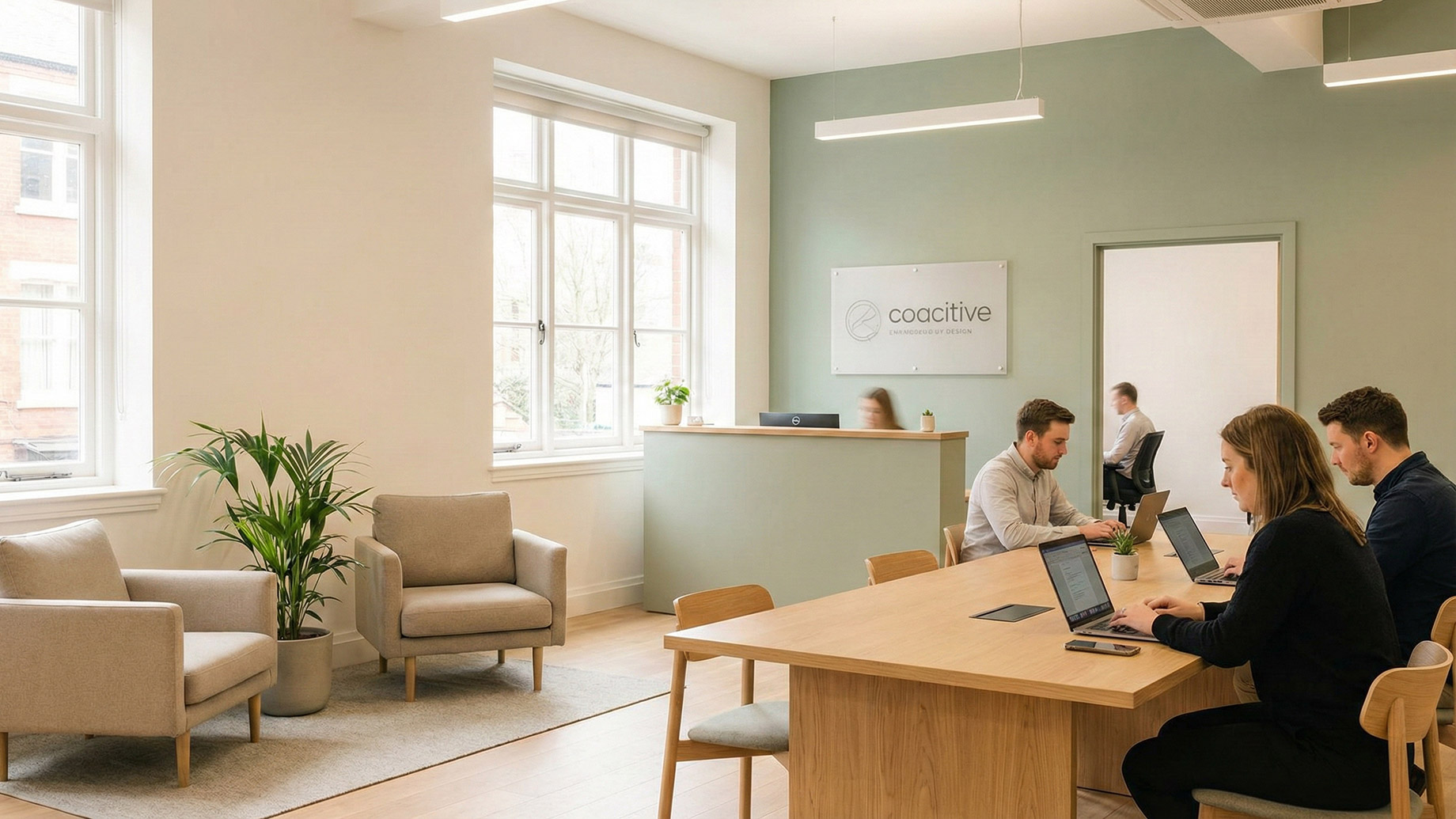
If your office feels “fine” but people still seem drained, distracted, or eager to leave the moment meetings end, the space may be working against you. Many offices look clean on the surface yet still feel cold, cluttered, or oddly stressful. That matters more than most teams realize. Employees spend a big part of their week inside those walls, and clients make fast judgments the second they step in. The good news is you don’t need a full renovation to change the way an office feels. Small, smart improvements can make a space feel warmer, calmer, and easier to work in.
In this article, you’ll learn practical fixes that actually make a difference, without wasting money on things people won’t notice.
Pick Colors That Feel Calm
Paint has a bigger impact than most people expect because it sets the mood of the room. The wrong color can make an office feel sterile, gloomy, or overly intense. The goal isn’t to make the space exciting. The goal is to make it comfortable to work in for hours. In most offices, calm colors work best, especially in areas where people focus or meet with clients. Soft neutrals, warm whites, and muted shades often feel clean without looking harsh. Before you choose anything, think about your lighting and how much natural light you get. A color that looks warm in a bright room can look flat in a darker space. Testing a small patch on the wall can save you from regret later.
If you want expert help choosing the right colors for a professional-looking space, Renewed Walls Painting specializes in creating polished offices that make strong first impressions and build trust with customers.
Head to https://www.renewedwallspainting.com/commercial-painting to learn more.
Choose a Finish That Holds Up
A lot of offices repaint and still end up with walls that look messy again within a year. That usually happens because the paint finish doesn’t match the space. Some finishes show every mark, while others handle daily wear much better. In high-traffic areas like hallways and break rooms, you need paint that cleans easily without leaving shiny scrub marks. A finish like eggshell or satin often works well because it looks smooth but stays more durable than flat paint. Flat finishes can look nice at first, but they tend to show fingerprints and scuffs quickly. Also think about the walls near chairs, doors, and light switches. These spots take constant hits. When you choose the right finish, your office stays fresh longer and requires fewer touch-ups.
Let Lighting Support the Look
You can pick a great paint color and still end up disappointed if your lighting fights against it. Lighting changes how walls look and how people feel in the space. Harsh bright lights can make an office feel tense, while dim lighting can make it feel tired and unprofessional. Start by noticing whether your lighting stays consistent across the office. If one room looks warm and another looks icy, the office won’t feel connected.
Choose bulbs with the same light tone in the main areas so the space feels steady. Also watch for dark corners, especially near entrances or meeting rooms. Adding brighter bulbs or adjusting fixtures can make the office feel cleaner and more open. When lighting supports your paint and layout, the whole office feels more welcoming without major changes.
Clean Up the Details People Notice
Even if your office has nice furniture, small wall issues can ruin the overall feel. People notice dents, nail holes, peeling paint, and cracked caulk more than you’d think, especially in bright lighting. These flaws quietly signal that the space hasn’t been maintained. The fix usually isn’t complicated, but it does take attention. Patch holes, sand rough spots, and touch up scuffed areas before repainting. If trim looks dirty or worn, repainting it can instantly sharpen the room. Don’t ignore doors either. Smudges near handles and kick marks near the bottom build up fast. When your surfaces look smooth and clean up close, the office feels more professional and more comfortable to be in.
Give Every Area a Clear Purpose
A welcoming office doesn’t need to be big, but it does need to feel organized. When people walk into a space and can’t tell where to go, the office feels stressful. Start by checking whether each area has one main purpose. A meeting room shouldn’t double as storage. A hallway shouldn’t become a place for random boxes or extra chairs. Small layout changes can improve flow right away. Keep walkways open and avoid blocking natural paths. If your team shares spaces, create simple rules so things don’t pile up over time. You can also group similar functions together, like placing printing and supply stations in one area. When your office feels intentional, people feel more at ease.
Add Warmth Without Making It Cluttered
You don’t need to decorate heavily to make an office feel welcoming. In fact, too many items can make a space feel busy and distracting. The better approach is adding a few simple details that make the office feel cared for. A clean framed print, a small plant, or a neat waiting area can soften the space without changing the professional tone. Try to keep choices consistent so the office feels unified instead of random. Stick to a few matching frames, similar colors, and simple shapes. Also think about comfort, not just looks. A chair that doesn’t wobble, a clean table surface, and a tidy front desk go a long way. Small upgrades can make people feel relaxed without overdoing it.
Show Your Brand in a Subtle Way
Branding should feel natural in an office, not like an advertisement on every wall. When it’s done well, it builds trust because the space feels consistent and put together. The easiest way to start is through color choices. If your business has a logo color, you can work it in through an accent wall, trim details, or a simple sign. Keep it subtle, especially in workspaces where people need to focus. You can also create consistency by using the same paint tones and finishes across shared areas. Another smart move is making sure client-facing rooms match the rest of the office. When visitors see a space that feels intentional and aligned, they assume the business runs that way too.
Making your office feel more welcoming doesn’t require a full remodel or a huge budget. It comes down to noticing what people actually experience when they walk in and work there every day. Start with the entrance, fix tired walls, and choose paint colors and finishes that fit how the space gets used. Pay attention to lighting, since it can change how the entire office feels. Then focus on small repairs, clear layout choices, and simple upgrades that add comfort without adding clutter. When each space has a purpose and the details look clean, the office feels calmer and more professional. Even a few thoughtful changes can make your team feel better at work and leave clients with a stronger first impression.
