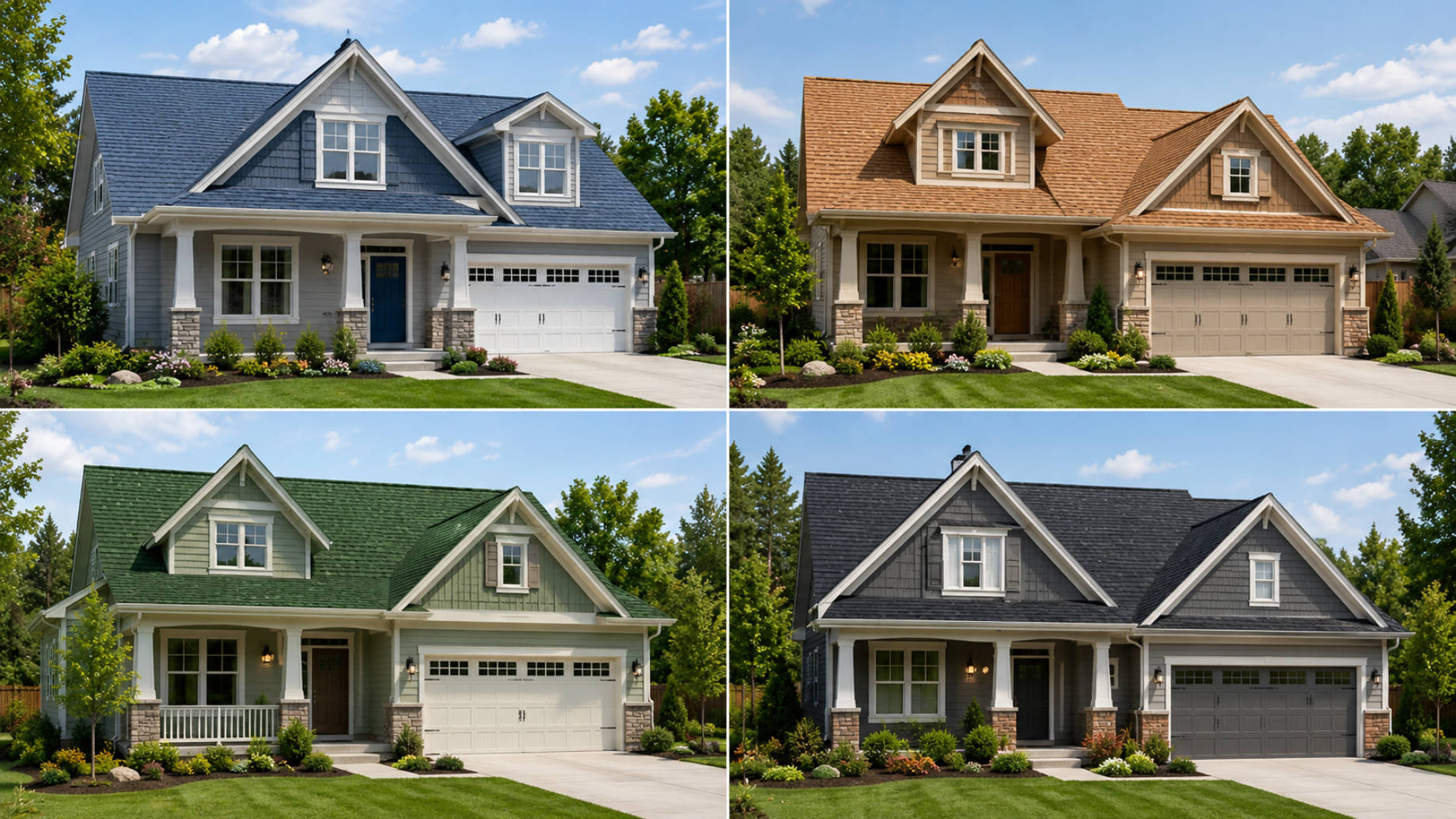
Choosing the right roof shingle color can improve curb appeal, complement your home’s design, support energy efficiency, and even help maintain resale value. Since a roof is one of the most visible parts of a house, the color you choose can influence how the entire property looks for years to come.
When it comes to picking your roof color, it’s important to think beyond current trends. A roof is a long-term investment. The choice you make should work with your home’s style, climate, neighborhood, and future plans.
This guide talks about the factors to consider while picking colors for roof shingles.
Why Roof Color Matters
Before diving into the factors, it’s important to know why roof color matters. Your roof can account for a significant portion of your home’s exterior appearance. Because of its size and visibility, the color has a major influence on first impressions.
A well-chosen roof color can make a home appear more polished, balanced, and attractive. On the other hand, a color that clashes with the exterior may draw attention for the wrong reasons.
Usually, the best-looking roofs are those that feel naturally connected to the home’s overall design.
Match the Roof to Your Home’s Exterior
One of the most important factors is your home’s existing color palette.
Look at permanent features such as:
- Brick
- Stone
- Siding
- Trim
- Gutters
- Shutters
- Windows
Warm exterior tones often pair well with brown, tan, beige, and weathered wood shingles. Cooler exteriors frequently look best with charcoal, gray, slate, or black shingles.
A coordinated color scheme creates a more cohesive appearance and helps the home feel intentional rather than mismatched.
Consider Your Home’s Architectural Style
Different architectural styles tend to work better with certain roof colors.
For example:
- Ranch Homes: Brown, gray, and weathered wood tones often complement the simple, horizontal design.
- Colonial Homes: Traditional colors such as charcoal, black, and slate gray usually create a timeless appearance.
- Farmhouse Designs: Black and charcoal shingles often provide the clean contrast many homeowners want.
- Craftsman Homes: Earthy browns and natural-looking tones typically work well with craftsman details.
- Modern Homes: Dark gray, black, and mixed-tone shingles can enhance a contemporary aesthetic.
Choosing a color that supports the home’s architecture often produces better results than following design trends alone.
How Roof Color Affects Curb Appeal
Roof color plays a major role in how people perceive your home from the street. A roof that complements the exterior can make the property appear newer and more valuable. Since the roof occupies such a large visual area, even small color changes can dramatically affect curb appeal.
This becomes especially important if you plan to sell your home in the future. Buyers often notice the roof immediately, and a well-coordinated color can improve overall impressions before they even walk through the front door.
Think About Climate and Energy Efficiency
Climate should be part of the decision-making process. Lighter-colored shingles generally reflect more sunlight, which may help reduce heat absorption in warmer climates. Darker shingles tend to absorb more heat, which can be beneficial in colder regions.
That doesn’t mean homeowners should choose based solely on temperature. Appearance, local weather patterns, and personal preferences still matter. The goal is finding a balance between aesthetics and practical performance.
Check HOA and Neighborhood Guidelines
Before picking a specific color, make sure there are no restrictions. Some homeowners associations have rules regarding acceptable roofing colors or materials. Ignoring these requirements can create delays and additional expenses.
Even if no formal rules exist, it’s worth considering the surrounding neighborhood. A roof that complements nearby homes often looks more natural and appealing than one that feels completely out of place.
You don’t need to copy your neighbors, but harmony usually works better than extreme contrast.
Understand How Different Materials Affect Color
The same color can look surprisingly different depending on the roofing material. Architectural shingles, standard asphalt shingles, and metal roofing can all reflect light differently. Texture, granule size, and finish influence how a color appears once installed.
This is one reason online photos can sometimes be misleading. A shade that looks perfect on a website may appear completely different on your roof.
Consider Long-Term Maintenance and Appearance
Some colors hide aging and discoloration better than others. Medium grays, weathered wood tones, and blended colors often do a good job of disguising dirt, debris, and minor staining. Very light or very dark roofs may show certain imperfections more easily depending on local conditions.
If a low-maintenance appearance is important, ask roofing professionals which colors tend to age well in your area.
Balance Personal Style With Resale Value
Every homeowner has personal preferences, but it’s wise to think long term. Neutral colors such as gray, black, brown, tan, and weathered wood continue to be popular because they appeal to a broad range of buyers. They also work with many exterior styles.
Bold colors can create a unique look, but they may limit future flexibility. If resale value is a priority, neutral shades are often the safer choice.
Some Common Mistakes to Avoid
Many homeowners regret rushing into this decision.
Common mistakes include:
- Choosing from online photos only
- Ignoring exterior color coordination
- Forgetting climate considerations
- Following short-term trends
- Overlooking HOA requirements
- Selecting a color without viewing samples outdoors
Avoiding these mistakes can help you feel more confident about your investment.
View Samples Before Making a Final Decision
Never rely solely on a screen. Ask for physical samples and place them next to your siding, brick, trim, and landscaping. View them during different times of day and under different weather conditions.
Sunlight, shade, clouds, and rain can all affect how a roof color appears. Taking this extra step can prevent costly disappointment after installation.
Before making a final decision, take time to evaluate the practical and visual factors that affect how a roof will look and perform over its lifespan.
Key Takeaways
- Roof color affects appearance, value, and long-term satisfaction.
- Match shingles with your home’s existing exterior features.
- Consider architectural style when narrowing options.
- Climate can influence both comfort and energy efficiency.
- Neutral colors often provide the strongest resale appeal.
- Always check neighborhood and HOA requirements first.
- Look at physical samples outdoors before making a final decision.
