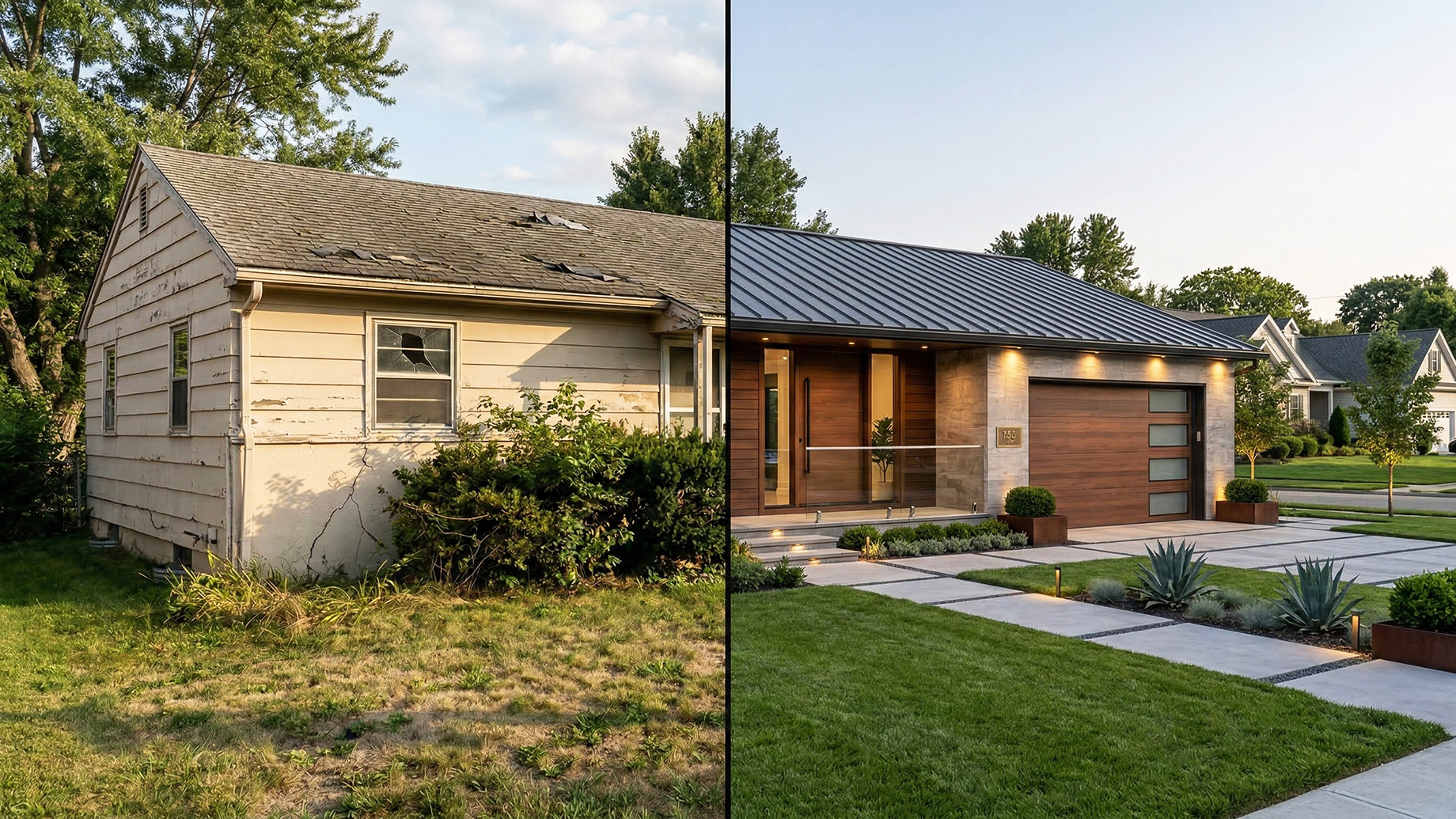
Selling a home usually feels simple when a property only needs fresh paint, new lighting, or small decorative updates. Many homeowners assume buyers will easily overlook these small details. A different situation appears when a property has deeper issues, such as structural wear, aging systems, damaged flooring, or outdated plumbing. In these cases, selling may feel more stressful and confusing.
Many sellers worry that buyers will immediately lose interest once they learn about major repair needs. Some fear that their property may stay on the market for months without receiving serious offers. Reality shows that homes needing repairs still sell every day. Buyers, investors, and renovation specialists often search for properties that need more than cosmetic work.
A clear plan makes this process easier. Learning how buyers view repair-heavy homes, pricing the property correctly, and choosing the right selling strategy can help homeowners move forward without feeling overwhelmed.
When Repairs Go Beyond Simple Touch-Ups
Some homes require much more than cleaning, decluttering, or replacing fixtures. Larger issues often involve roofing problems, plumbing failures, outdated electrical systems, or structural concerns. These types of repairs can affect how buyers evaluate a property.
Homes with significant repair needs attract a different group of buyers compared with fully updated houses. Renovation investors, contractors, and experienced homeowners often look for these opportunities. They see potential where others see problems. Their goal usually involves improving the property and increasing its value over time.
This is one reason many sellers explore working with Delaware Home Buyers when facing large repair concerns. Cash-focused buyers and investors often evaluate a home based on potential rather than current condition, which allows sellers to move forward without completing every repair.
Why Many Traditional Buyers Step Back
Buyers searching for move-in-ready homes usually want a smooth purchasing experience. Large repairs can introduce uncertainty. Mortgage lenders sometimes place restrictions on homes with serious issues, which can make financing more complicated.
Inspection reports may reveal foundation movement, water damage, outdated wiring, or major roof wear. These discoveries can lead to renegotiations or canceled contracts. Many traditional buyers simply prefer avoiding homes that require immediate investment after closing.
Another factor involves renovation costs. Material prices, contractor availability, and long project timelines may discourage buyers who are already stretching their budgets. This hesitation explains why homes with larger repair needs sometimes receive fewer offers through traditional listings.
Pricing Strategy That Reflects Reality
Pricing plays a major role when selling a property that requires significant work. Setting a price that reflects the condition helps attract serious interest quickly. Buyers who specialize in renovation projects expect pricing that accounts for repair costs.
A realistic price often encourages stronger engagement from investors and renovation-focused buyers. It also reduces time spent on the market. Homes priced too high may sit without activity, which creates concern among potential buyers.
Market comparisons can help determine a fair number. Looking at similar homes that needed work provides valuable insight. Adjustments based on square footage, location, and repair scope help establish a competitive price point that motivates buyers to take a closer look.
During this stage, many sellers also consider the future home appraisal lenders may require. Properties with visible repair issues sometimes receive lower appraisals, which can affect financed buyers. Pricing with this possibility in mind helps prevent surprises later in the selling process.
Selling As-Is Can Simplify Everything
Many homeowners choose to sell their property in as-is condition when facing major repairs. This approach means the seller will not complete improvements before closing. Buyers accept the property in its current state. Selling as-is reduces stress for homeowners who lack the time, funds, or energy for renovation projects. It also removes long repair timelines that could delay a sale. Buyers interested in as-is properties usually already plan renovation projects. Their goal is to purchase homes with potential value once the improvements are complete. This arrangement allows both sides to move forward with clear expectations.
Small Steps That Still Improve Buyer Interest
Large renovations may not make sense before selling, yet a few simple actions can still improve buyer perception. These small efforts help buyers imagine future possibilities without requiring large investments.
Basic improvements can include:
- Removing clutter to create a more open space
- Cleaning carpets or floors
- Improving lighting in darker areas
- Mowing the lawn and trimming landscaping
- Fixing minor safety issues, such as loose railings
These small changes help buyers focus on the home’s layout and potential instead of distractions. Presentation still matters even when selling a property that needs larger updates.
Inspection Reports and Honest Communication
Transparency builds trust during any real estate transaction. Sellers who openly share known issues often make negotiations smoother. Buyers appreciate honesty about repair needs before inspections occur. Providing documentation about past repairs, maintenance records, or contractor evaluations can also help buyers feel more confident about moving forward. Clear information allows buyers to estimate renovation costs more accurately. Surprises during inspections often lead to renegotiations or contract cancellations. Honest communication reduces these risks and helps maintain steady progress toward closing.
Exploring Different Buyer Options
Several types of buyers exist for homes that require significant repairs. Each group approaches the purchase process differently. Traditional buyers may still show interest if the location is attractive and renovation costs remain manageable. Investors often purchase homes to improve and resell them. Rental property buyers may focus on long-term income rather than immediate cosmetic appeal. Some companies specialize in purchasing properties quickly using cash offers. These buyers typically evaluate homes based on future potential rather than current appearance. Their streamlined process can reduce the number of showings and shorten closing timelines.
Planning Your Next Move With Confidence
Selling a house that needs more than cosmetic fixes can feel intimidating at first. Major repairs often create uncertainty about pricing, buyer interest, and how long the process might take. A thoughtful strategy can turn this challenge into a manageable step forward. Recognizing which buyers actively seek renovation opportunities helps sellers focus their efforts.
Realistic pricing, clear communication, and flexible selling options allow homeowners to move past repair concerns without unnecessary stress. Many homes that appear difficult to sell still find motivated buyers every day. With the right approach, even properties in need of major improvements can attract attention and lead to a successful sale.
Frequently Asked Questions
Q1: What should I do if my house needs major repairs before selling?
Answer: If your house needs major repairs, you have a few options. You can choose to sell it as-is, which means you won’t make any repairs before the sale. Alternatively, you might consider making some minor improvements to enhance buyer interest, like cleaning, decluttering, or fixing small safety issues. Ultimately, it’s important to price the home realistically to attract the right buyers, especially those interested in renovation projects.
Q2: Will buyers be interested in a home that needs significant repairs?
A: Yes, many buyers, particularly investors and renovation specialists, actively seek homes that need more than just cosmetic fixes. They often see potential in properties that require work and are willing to invest in renovations to increase the home’s value. So don’t worry, there are buyers out there looking for projects!
Q3: How should I price my home that needs repairs?
Answer: Pricing your home accurately is crucial. Set a price that reflects its current condition and accounts for necessary repairs. Research similar homes in your area that also need work to gauge a fair asking price. This approach can help attract serious buyers and reduce the time your home spends on the market.
Q4: What does selling a home as-is mean?
Answer: Selling a home as-is means you will not make any repairs or improvements before closing. The buyer agrees to accept the property in its current condition. This can simplify the selling process for you, as it avoids the stress of coordinating repairs and renovations. Many buyers who look for as-is properties are planning to renovate after purchase, so they understand the potential of a fixer-upper.
