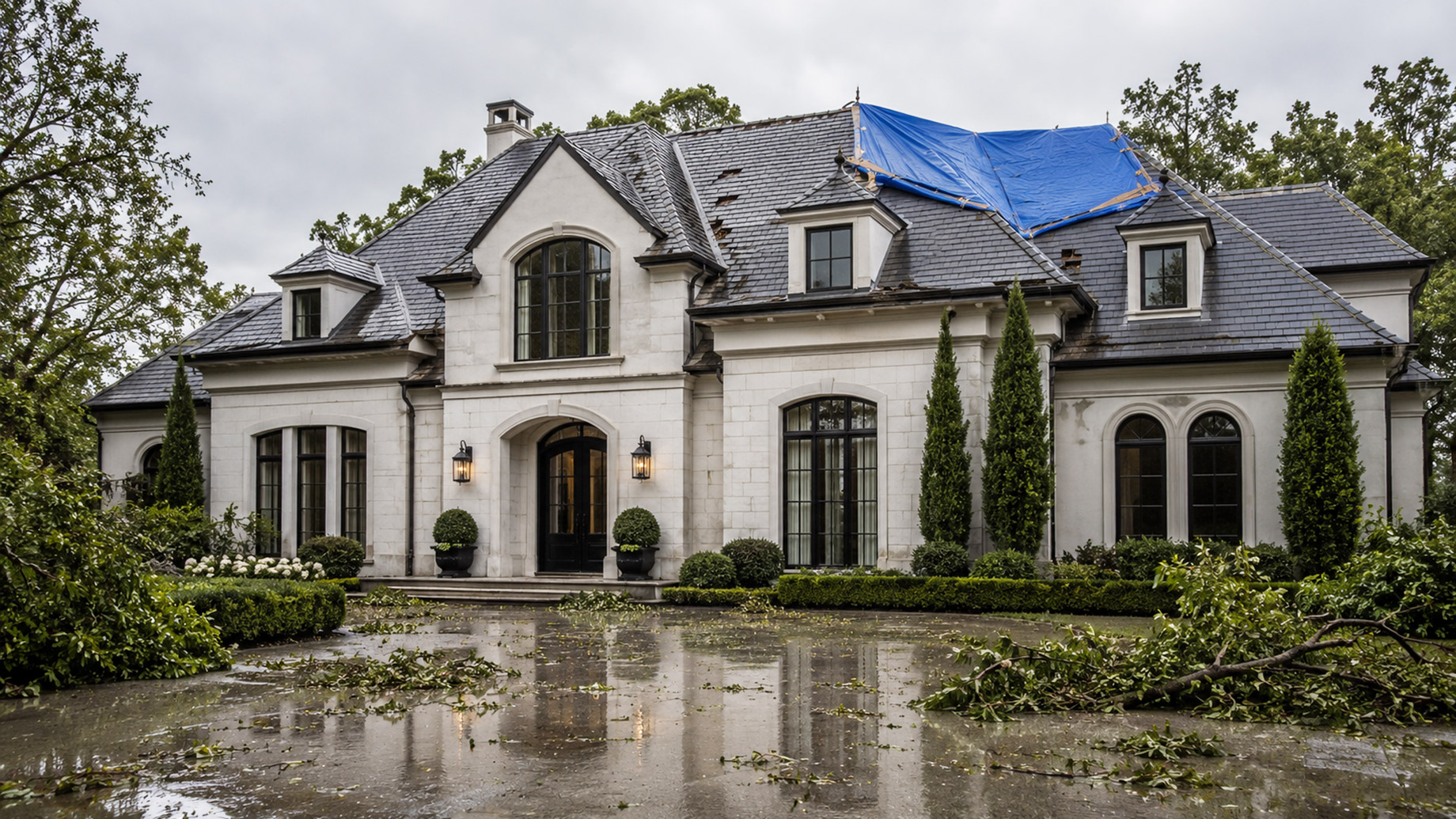
Severe weather events can cause immediate damage to property exteriors. Homeowners often face a long list of repairs after high winds or heavy rains pass through the area.
Protecting your investment requires quick action to prevent minor issues from turning into major structural losses. Taking systematic steps helps secure the building envelope quickly.
Delaying repairs can lead to costly interior complications later. Fast intervention shields the structure from additional weather cycles.
Assessing Severe Storm Impact
High winds rip shingles from roofs and break window seals without warning. Property owners need to inspect the perimeter safely after the skies clear. Look for visible cracks along siding panels or gaps near window trim.
Some updates indicate that governmental assistance programs provide funding for recovery. A local government announcement highlighted that qualifying residents can receive up to $350,000 to rebuild storm-damaged housing options.
Documenting the destruction with photographs creates a clear record for insurance providers. Property owners should take close-up images of dented metal trim and cracked siding panels.
Finding Professional Support
Evaluating structural issues requires specialized knowledge and proper equipment. Many homeowners choose to contact local storm damage services to schedule a comprehensive property assessment. These trained professionals identify hidden exterior issues that untrained eyes might miss during a casual walk.
Expert teams evaluate roofing systems, siding integrity, and foundation stability. They provide detailed reports that help property owners navigate insurance claims efficiently. Having an expert inspection minimizes the risk of overlooking critical structural weaknesses.
Professional contractors possess the right tools to measure roof slopes and detect hidden damp spots. They offer reliable advice on whether to repair or replace damaged exterior components. Relying on expert guidance streamlines the entire restoration process.
Addressing Roof Resilience
The roofing system serves as the primary shield against harsh environmental elements. Wind forces exert massive upward pressure on standard residential shingles during severe weather. Upgrading materials can prevent severe lifting or detachment when future storms strike.
An educational document focused on resilient retrofits outlines optimal design specifications for residential systems.
The manual mentions that a roof needs to resist uplift forces, remain sealed against leaks, repel fire, and reflect heat to keep interiors cool. Investing in these advanced features strengthens property defense systems.
Choosing high-quality underlayment adds an extra layer of defense against wind-driven rain. Impact-resistant shingles reduce the risk of hail penetration during spring and summer storms. Modern roofing technology offers superior longevity compared to older building materials.
Managing Water Intrusion
Water penetration represents a severe threat to structural materials after wind damage. Small tears in the roof membrane allow water to seep into attic spaces unnoticed. Addressing these leaks immediately preserves the integrity of interior walls and insulation layers.
An article from a disaster relief organization notes that active leaks introduce unwanted water that triggers mold growth. Securing the exterior prevents these issues from developing. Property owners should watch for specific warning signs during their regular checks:
- Wet spots on ceiling, drywall, or upper walls.
- Discolored patches along interior insulation barriers.
- Musty odors originating from attic spaces or crawl spaces.
Mold remediation increases total restoration costs significantly if left unchecked. Keeping water out remains a top priority during the initial recovery phase. Quick tarping prevents rain from entering compromised sections of the roof.
Implementing Immediate Structural Safeguards
Temporary covers protect vulnerable areas before permanent repairs begin – these solutions keep elements out temporarily.
Tarps secured with wooden strips prevent rainwater from entering exposed roof decks. Heavy plastics can seal broken windows against changing weather patterns.
Using heavy-duty fasteners prevents wind from tearing temporary barriers away from the structure.
Homeowners should avoid walking on damaged roofs themselves due to safety risks. Hiring qualified crews maintains safety and secures the exterior envelope.
Clear debris from paths to allow repair vehicles easy access to the home. Structural safety should always take precedence over cosmetic fixes. Secure properties resist subsequent weather systems far better.
Protection Measures
Upgrading exterior materials provides lasting safety advantages for residential buildings. Fiber cement siding resists impact damage from flying debris much better than vinyl options. Impact-resistant windows offer strong defense against high-velocity wind pressures.
Regular maintenance routines keep these materials functioning as intended throughout the year.
Cleaning gutters allows rainwater to drain away from the foundation walls properly. Trimming overhanging tree limbs reduces the risk of branches falling onto the house during a storm.
Regular inspections catch minor wear before severe storms exploit those weaknesses. Investing in durable upgrades lowers long-term repair expenditures. Resilient properties maintain their value well over extended periods.
Restoring a property exterior after severe weather demands patience and careful planning. Taking quick action protects structural integrity and maintains property value.
Working with reliable professionals guarantees that repairs meet modern building standards. Secure exteriors provide peace of mind during future weather events.
Preparedness protects your household from unexpected financial strains. Committing to quality craftsmanship keeps your home safe and comfortable.
