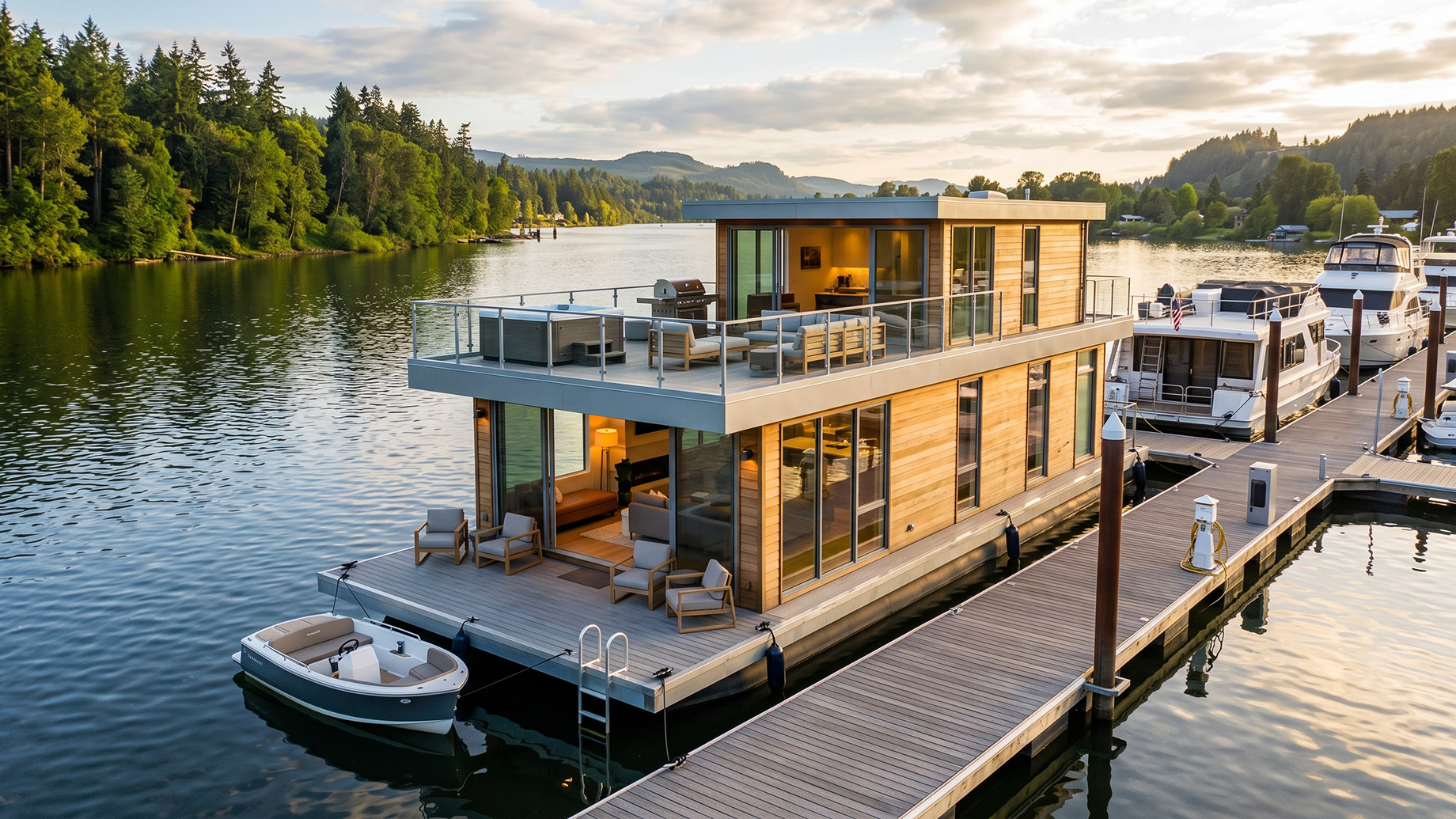
Owning a houseboat isn’t just about having a place to live; it’s about embracing a lifestyle that merges the serenity of water with the comforts of home. For many, the idea of waking up on the water, with the gentle sway of the boat and the sound of lapping waves, offers a kind of peace that can’t be found on land. But as with any major investment, there are several factors to consider before diving in. From understanding the costs involved to choosing the right location, here’s everything you need to know before buying a houseboat.
1. Determine Your Needs and Lifestyle
Before you even start browsing for houseboats, it’s important to ask yourself what kind of lifestyle you envision. Houseboats can vary widely in size, style, and functionality. If you’re planning to live on the water full-time, you’ll need something with more space and amenities. On the other hand, if you’re just looking for a weekend getaway, a smaller, more compact model might be perfect.
Think about the following factors when considering your needs:
- Full-time vs. Part-time Living: Do you plan to live on your houseboat year-round or just for vacations and weekends?
- Size and Comfort: Houseboats range from small, cozy vessels to large, luxurious floating homes. How much space do you need for living, cooking, and entertaining?
- Maintenance and Upkeep: Larger houseboats may require more maintenance, so consider whether you have the time and resources to care for a bigger boat.
2. Understand the Costs Involved
Houseboats, much like traditional homes, come with a variety of costs – both upfront and ongoing. The initial purchase price is just the beginning. You’ll need to account for marina fees, maintenance, insurance, and utilities.
Initial Purchase Price
The price of a houseboat varies based on factors such as size, age, and amenities. Smaller, older boats may be more affordable, while new or custom-built houseboats can reach prices of several hundred thousand dollars. Be sure to set a realistic budget and consider all of the costs associated with your new lifestyle.
Ongoing Costs
- Marina Fees: Docking a houseboat often requires paying monthly marina fees, which cover mooring, access to utilities, and maintenance of the marina itself.
- Maintenance and Repairs: Like any vessel, houseboats are exposed to the elements and require ongoing care. Make sure to budget for repairs, including checking the hull, engine, plumbing, and electrical systems.
- Insurance: You’ll need specialized insurance for your houseboat, which can sometimes be more expensive than regular boat insurance.
- Utilities: Depending on your marina, you may need to pay for electricity, water, and sewage services.
3. Considering Your Location
When it comes to houseboat living, location plays a significant role in your experience. Whether you prefer the tranquility of remote lakes or the convenience of city marinas, the place where you keep your houseboat will influence much of your lifestyle. Some houseboat owners are drawn to the hustle and bustle of urban areas with easy access to amenities, while others prefer the solitude and peace that more secluded areas offer.
For example, places like the Florida Keys offer beautiful coastal waters and vibrant marine life, attracting those who want to live near the ocean. On the other hand, the Pacific Northwest, with its lush landscapes and calm waterways, provides a different, more serene environment.
Additionally, if you’re considering houseboats in a more affordable and tranquil setting, houseboats for sale in Oregon could be an excellent option. Oregon’s stunning rivers, including the Willamette and Columbia, as well as beautiful lakes like Crater Lake, provide opportunities to live close to nature while still being within reach of a thriving arts and cultural scene.
- Access to Amenities: A location closer to cities or marinas will provide easier access to essential services like grocery stores, medical facilities, and entertainment, making it more convenient for those who need to live with close proximity to urban life.
- Cost of Living: Choosing a location in a more remote or rural area can reduce costs like marina fees, but it may also mean fewer options for amenities and services, which could impact your day-to-day life.
- Water Conditions and Safety: The water conditions where you dock your houseboat can affect your lifestyle. Calm waters are perfect for peaceful living, while more turbulent waters may limit the ability to use your houseboat as a full-time residence or create additional maintenance needs.
4. Stability and Safety
Safety is paramount when living on the water, and houseboats are no exception. Unlike land-based homes, houseboats are subject to water movement, which can make stability a concern, particularly in rougher conditions.
Key Safety Features
- Stabilizers: Some houseboats come with stabilizers that help minimize rocking and swaying, especially during inclement weather.
- Safety Gear: Ensure your boat is equipped with life jackets, fire extinguishers, and a first aid kit. It’s also advisable to have emergency flares and a GPS onboard.
- Carbon Monoxide Detectors: Many houseboats have stoves or generators, so it’s essential to install carbon monoxide detectors to ensure everyone’s safety onboard.
Other Safety Considerations
- Water Regulations: Each region has different laws regarding water navigation, waste disposal, and anchoring. Be sure to research and follow these regulations.
- Weather Preparedness: Learn about the weather patterns in your area. Always be prepared for storms or sudden weather changes that may affect your safety.
Extra Tips on Buying a Houseboat
When buying a houseboat, there are a few additional steps to keep in mind to make the process smoother and ensure your investment is well protected.
- Consider a Pre-Purchase Inspection: Just like buying a traditional home, it’s crucial to have a marine surveyor inspect a used houseboat. This can help identify hidden issues like leaks, engine problems, or structural damage that might not be immediately visible.
- Check for Resale Value: While you may love your houseboat now, consider its future resale value. Houseboats can depreciate, so opting for a model that holds its value will be an important consideration down the line.
- Think About Long-Term Living: If you plan to live on the water year-round, make sure the houseboat is equipped to handle seasonal changes, such as insulation for colder months or air conditioning for summer heat.
- Keep Maintenance in Mind: Regular cleaning, engine maintenance, and monitoring the hull’s condition are vital for keeping your houseboat in good working order. Make sure you’re prepared to take on the necessary upkeep.
Owning a houseboat can be a transformative experience, offering a lifestyle that blends adventure, tranquility, and a connection to nature. However, as with any major purchase, it’s important to do your research and understand the full scope of costs and responsibilities. With the right preparation and careful consideration of factors like location, safety, and maintenance, you’ll be well on your way to enjoying life on the water in your own floating home.
