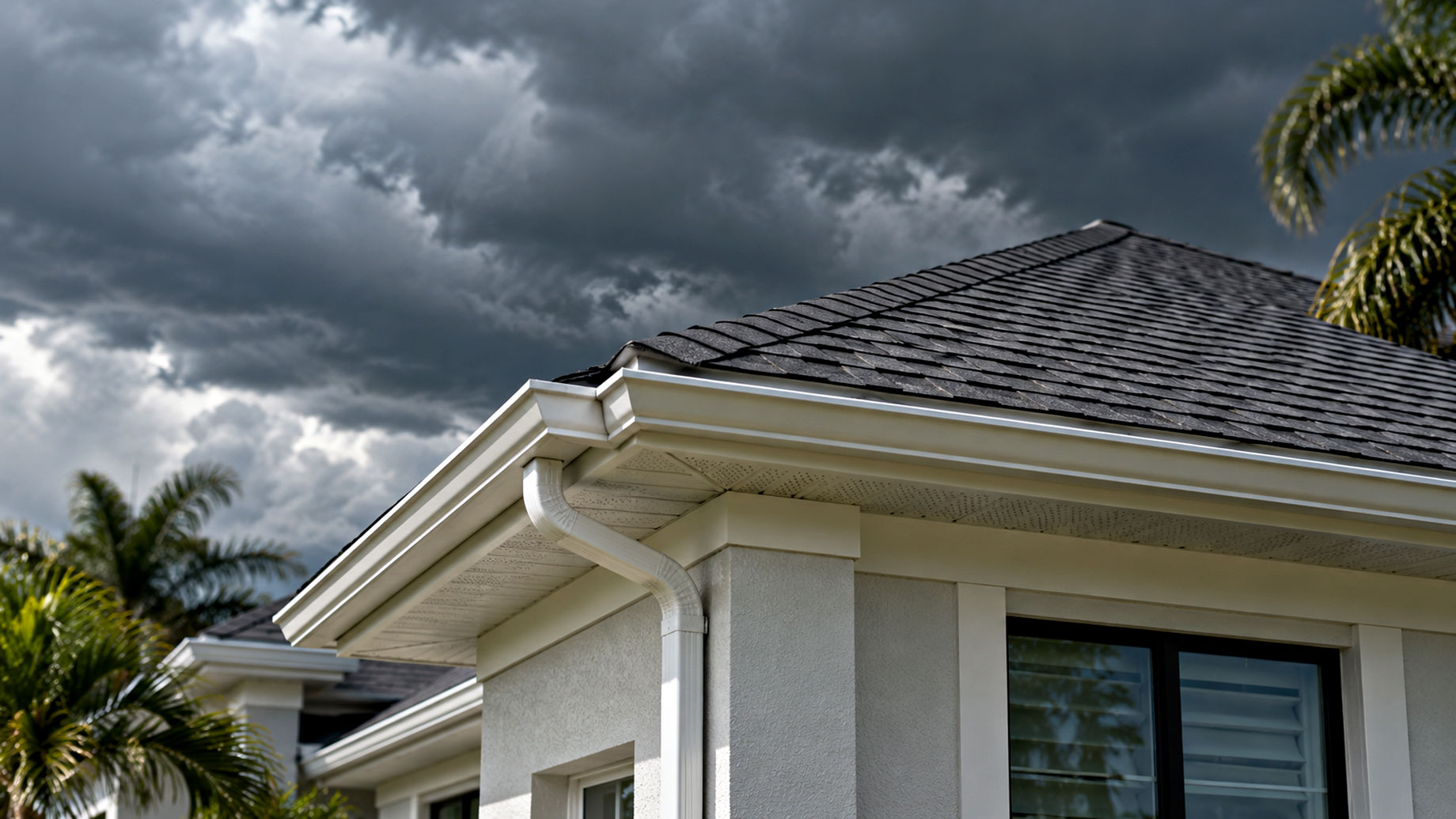
Florida homeowners know that the annual storm season brings unpredictable and potentially hazardous weather patterns, ranging from localized severe thunderstorms and torrential tropical downpours to destructive tropical depressions and major Category 5 hurricanes. In this demanding subtropical climate, a home’s structural building envelope is under continuous environmental stress throughout the entire year. Ensuring that your building structure—especially your complete roof assembly—is fortified against high-velocity winds, airborne debris, and wind-driven rain is essential for safeguarding your property investment, protecting your family, and preventing costly interior water damage.
The Critical Role of Roof Structural Integrity
Your roofing system serves as the first and most critical barrier against severe exterior forces. When intense hurricane gusts sweep across Florida neighborhoods, they create powerful aerodynamic uplift pressures along the roof edges, eaves, overhangs, and ridges. If the primary roofing materials, underlying waterproof barriers, or roof deck sheathing are compromised or improperly fastened, wind and moisture can rapidly breach the building envelope and cause catastrophic structural failure.
Partnering with an experienced, licensed, and insured residential roofing contractor allows property owners to thoroughly assess existing structural vulnerabilities, identify minor points of wear before severe weather strikes, and execute code-compliant reinforcements that meet or exceed rigorous Florida Building Code standards.
Key Structural Elements to Inspect Before Storm Season
Prior to the peak of the Atlantic hurricane season, property owners should prioritize an in-depth inspection of several critical architectural and roofing components:
- Roof Deck Attachment and Fastening Schedules: The structural strength of the connection between the plywood or OSB roof decking and the underlying rafters directly determines uplift resistance. Inspecting for proper nail spacing, corrosion-resistant 8d ring-shank fasteners, and the absence of rotted wood sheathing prevents catastrophic deck panel loss during extreme wind events.
- Roof-to-Wall Connectors (Hurricane Straps): Structural tie-downs, such as heavy-duty galvanized steel hurricane clips and double wraps, anchor roof trusses firmly to the masonry or wood-framed exterior walls. Upgrading older toenail connections provides essential continuous load path protection from the roof down to the foundation.
- Flashing, Drip Edges, and Valley Liners: Metal flashings around critical roof penetrations, including plumbing vent pipes, chimneys, skylights, and valley junctions, must be securely anchored and sealed with high-grade elastomeric sealants. Deteriorated or improperly installed flashing remains one of the most common causes of hidden leaks.
- Underlayment and Secondary Water Barriers: Modern roofing assemblies rely on high-performance synthetic underlayments and self-adhering modified bitumen secondary water barriers applied directly over deck seams. This crucial secondary barrier keeps your living spaces dry even if surface shingles or tiles are dislodged by strong winds.
- Soffits, Fascia Boards, and Gable Ends: Loose or improperly fastened soffit panels can easily blow out under positive wind pressure, allowing wind-driven rain to inundate the attic space. Ensuring soffit tracks and fascia boards are firmly secured prevents attic flooding and electrical hazards.
Choosing the Right Roofing Materials for Florida Climates
Selecting appropriate roofing materials tailored to Central Florida’s intense heat, high humidity, and storm activity is vital for long-term peace of mind. Homeowners have several proven options to consider:
- Architectural Asphalt Shingles: Heavyweight architectural shingles with enhanced wind resistance ratings (up to 130 mph) provide durable, cost-effective storm protection with multi-layered dimensional strength.
- Standing Seam Metal Roofing: Metal roofing systems offer unmatched durability, exceptional wind resistance up to 150+ mph, superior fire ratings, and reflective thermal properties that lower energy consumption during hot summer months.
- Concrete and Clay Tiles: Concrete and clay tiles offer classic aesthetic appeal and outstanding longevity, provided they are installed using mechanical fasteners and specialized foam adhesives rated for high-wind zones.
Post-Inspection Maintenance and Documentation
Routine pre-storm maintenance should always conclude with comprehensive photographic documentation. Having detailed records of your roof’s condition, recent inspections, and code-compliant upgrades streamlines insurance claims in the aftermath of a storm and supports eligibility for valuable wind mitigation insurance discounts.
By proactively addressing structural vulnerabilities and investing in quality materials, Florida homeowners can approach storm season with total confidence, knowing their properties are resilient, fortified, and built to endure.
