Key Takeaways
- Intelligent heating systems provide personalized, energy-efficient temperature control for modern homes.
- Innovative features, such as remote access, adaptive learning, and zone heating, offer both comfort and cost savings.
- Understanding compatibility, installation, and future trends can guide homeowners to the right solution.
Table of Contents
- Understanding Smart Heating Systems
- Key Features of Smart Heating Solutions
- Benefits of Implementing Smart Heating
- Popular Smart Heating Products
- Considerations Before Upgrading
- Future Trends in Smart Heating
- Conclusion
As technology continues to transform the way we live, homeowners are increasingly exploring innovative heating solutions that promise a blend of convenience, comfort, and efficiency. Investing in intelligent climate control is not only about staying warm—it’s also about making smarter, eco-friendly choices for the environment and your budget. Whether you live in a modern apartment or a classic home, incorporating advanced heating systems into your space makes sense. If you ever experience system issues or need expert support, professional heating repair in Manasquan, NJ, is readily available to keep your home comfortable throughout the seasons.
Innovative heating options empower homeowners with enhanced control and monitoring via easy-to-use apps and voice-activated assistants. These advanced systems quickly adapt to user preferences and occupancy patterns, helping to reduce energy waste without impacting daily comfort. And while the up-front investment might seem daunting, the long-term savings and environmental benefits are often substantial.
Before making the switch, it is essential to understand what sets these systems apart and how they can be tailored to your unique needs. With increasing media coverage and high-profile technological advancements, now is an excellent time to consider integrating an innovative heating system into your home.
According to a recent review by Wirecutter, a publication of The New York Times, leading smart thermostats consistently reduce energy use while improving household comfort, making them a recommended addition for many homeowners.
Understanding Smart Heating Systems
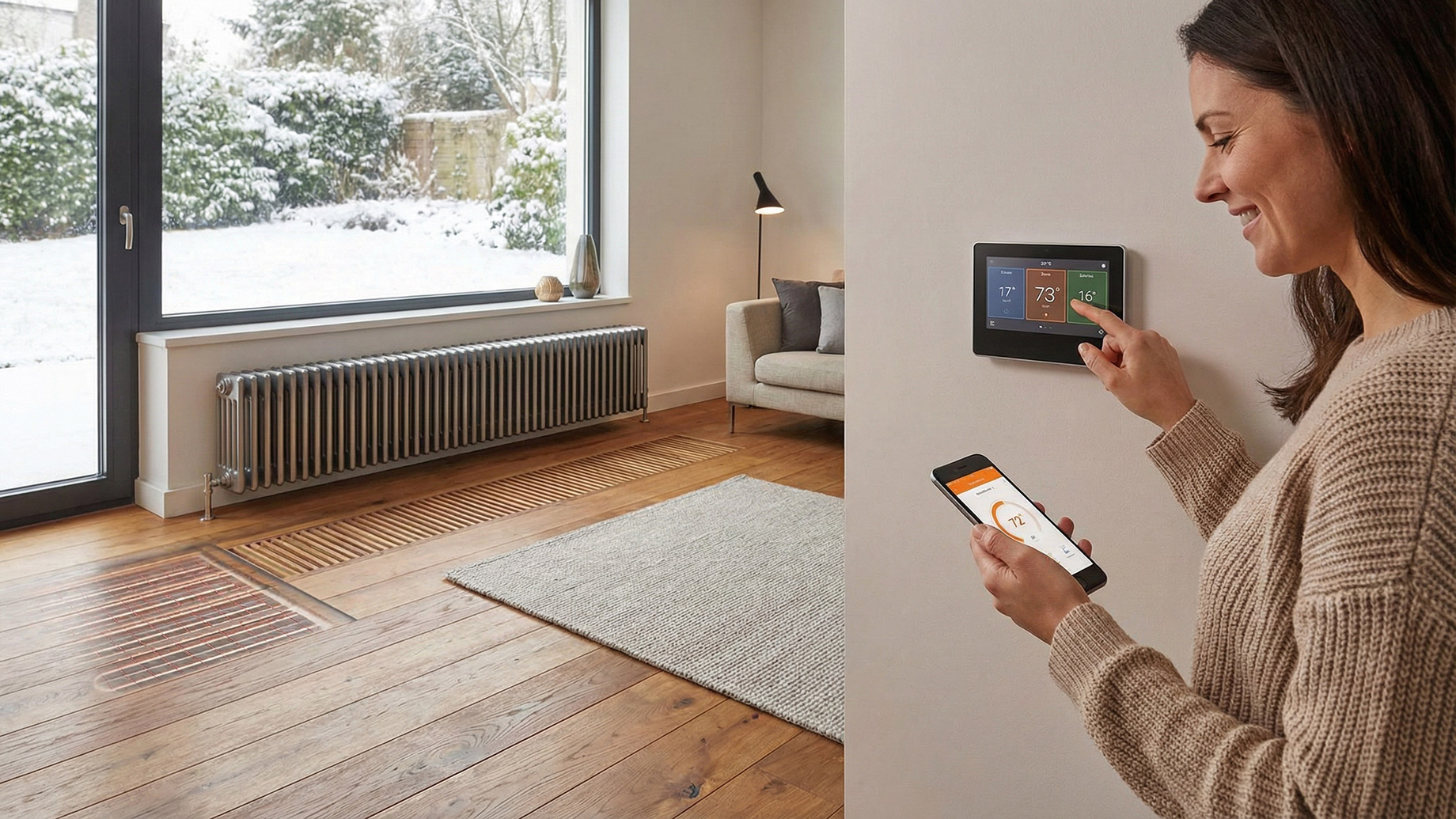
Intelligent heating systems combine advanced sensors, programmable thermostats, and seamless wireless connectivity to deliver precise temperature control. Unlike older systems, innovative heating learns user routines over time, automatically adjusting temperatures based on occupancy and personal comfort preferences. These solutions offer real-time monitoring and remote scheduling, ensuring warmth is delivered exactly when—and where—it’s needed.
The backbone of innovative heating is its integration with modern devices, such as smartphones, smart speakers, and home automation platforms. This allows for intuitive control, whether you’re adjusting the heat from your living room or remotely via a mobile app. For many, this flexibility transforms the traditional home environment into a high-performance, responsive haven.
Key Features of Smart Heating Solutions
- Remote Access: Seamlessly manage heating settings from anywhere, making it easy to adjust temperatures before you arrive home or while you’re away on vacation.
- Adaptive Learning: Intelligent algorithms analyze your routine, reducing energy usage during unoccupied periods and adjusting warmth to your lifestyle.
- Zone Heating: Individual room control allows you to heat only the spaces in use, delivering personalized comfort and reducing waste.
- Smart Home Integration: Easily connect heating to other devices—such as bright lighting or security systems—for a cohesive, convenient experience.
Benefits of Implementing Smart Heating
The shift to innovative heating solutions unlocks a host of advantages for homeowners. First and foremost, energy optimization helps minimize utility bills. According to the U.S. Department of Energy, families can save about 10% annually on heating and cooling by using programmable systems correctly. Smart thermostats extend these savings through better data analysis, routine-based programming, and smart zone controls.
- Personalized Comfort: Tailored settings ensure each room feels just right at any hour, catering to the unique needs of family members and various areas.
- Reduced Carbon Footprint: Less wasted energy means a more minor environmental impact for your household.
- Convenient User Experience: Intuitive controls and easy scheduling simplify day-to-day home heating management.
Popular Smart Heating Products
Today’s market features a range of robust smart heating devices that deliver strong performance and reliable results:
- Ecobee Smart Thermostat Essential: Known for its sleek touchscreen and occupancy-sensing technology, it boasts up to 23% annual energy savings.
- Lennox S40 Smart Thermostat: Designed for seamless use with Lennox equipment, offering advanced energy optimization and real-time data reporting.
- Tado Smart Thermostat: Innovative for its digital Hydronic Balancing capabilities, allowing users to fine-tune hot water distribution without professional intervention.
Considerations Before Upgrading
Before installing a new innovative heating system, take the time to evaluate your home’s current infrastructure. Not all systems are compatible with every type of boiler or radiator, so it is crucial to double-check compatibility. While many popular products are DIY-friendly, others may warrant professional assistance to ensure optimal performance and warranty protection. Additionally, carefully weigh the upfront investment against future utility savings; innovative heating often pays for itself in reduced energy costs over time, but this timeline varies based on household usage and local energy prices.
Future Trends in Smart Heating
The future of innovative heating is shaped by anticipatory artificial intelligence, deeper integration of smart homes, and a growing focus on sustainability. Look for systems that automatically adjust for weather changes or user patterns, such as predictive heating based on your commute or real-time energy rates. Many new solutions offer interoperability with advanced home automation platforms, allowing users to orchestrate complex routines that include lighting, ventilation, security, and heating. As environmental responsibility becomes a top priority, expect more products featuring renewable energy integration, enhanced energy tracking, and robust eco-settings.
Conclusion
Innovative heating solutions are redefining home comfort by merging energy efficiency, advanced technology, and intuitive user control. Each year, an increasing number of households are upgrading to intelligent systems that not only deliver reliable warmth but also support cost savings and environmental stewardship. Assess your home’s needs, research popular products, and consider the potential for integration and long-term trends—which can yield a cozier, greener, and smarter living space for years to come.
