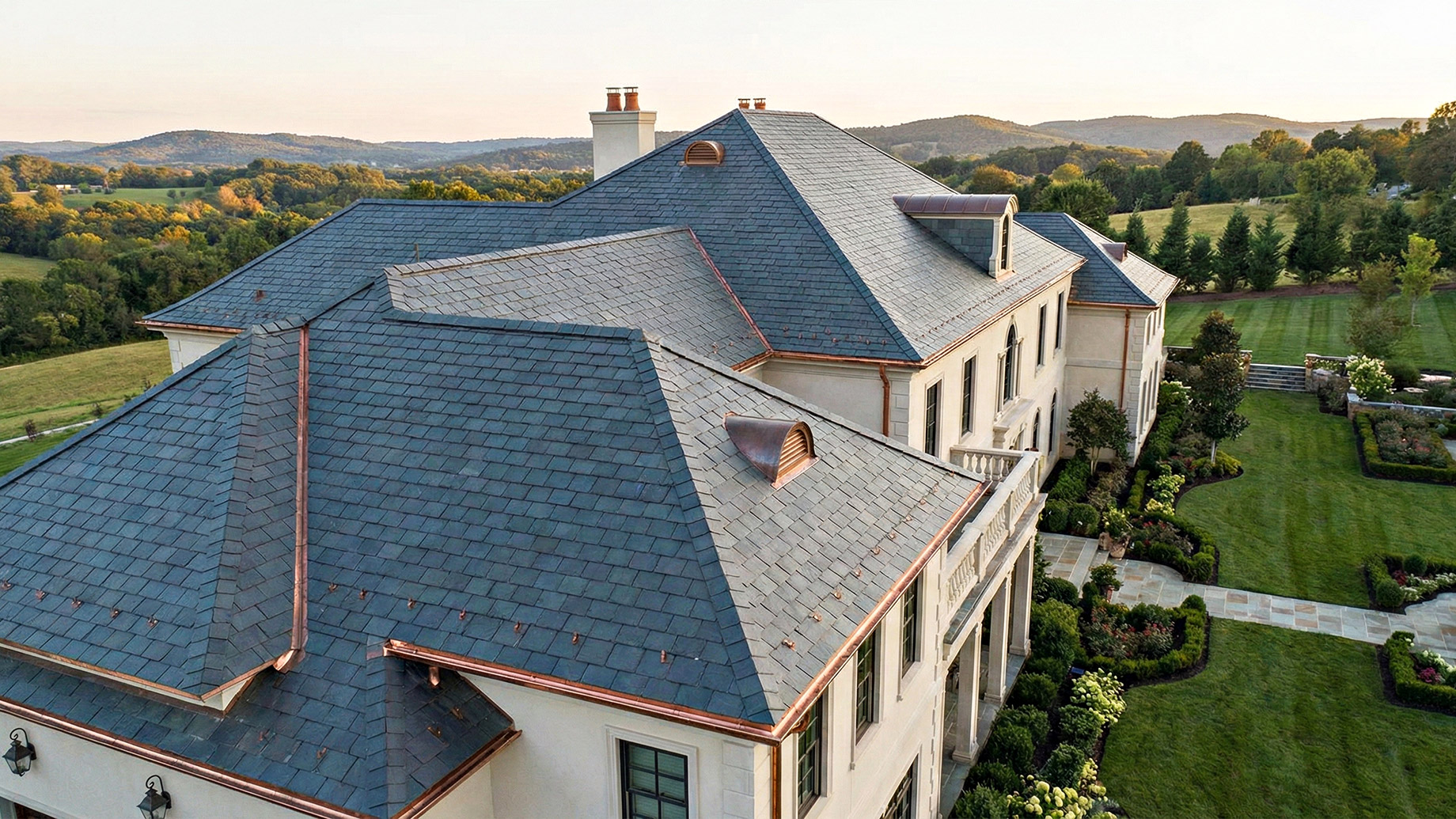
A roof is one of the most important systems protecting a home, yet its performance is often taken for granted. Day after day, it absorbs environmental stress from sun exposure, rain, wind, and temperature changes. When roofing standards are inconsistent or poorly applied, small weaknesses quietly develop and reduce long-term reliability.
Professional standards exist to prevent these gradual failures. They guide material selection, installation methods, and ongoing evaluation so the roof performs as a complete system rather than a collection of parts. Homeowners who understand the value of working with a qualified roofing company are better equipped to protect both their property and their investment. Many begin this process after consulting Upright Roofing and Construction and learning how consistent standards shape roof longevity.
By understanding how professional roofing practices influence durability, homeowners can make informed decisions that reduce future risk and support dependable performance over time.
What roofing standards actually mean
Roofing standards define how materials should be installed, secured, and integrated with the structure. They are developed to ensure roofs can withstand environmental conditions while maintaining consistent protection.
These standards address more than surface materials. They cover underlayment, flashing, ventilation, and drainage coordination. When each component meets professional expectations, the roof functions as a unified system.
Consistency is what separates long-lasting roofs from short-term solutions.
Why professional standards matter for durability
Durability depends on precision. Even high-quality materials can fail if installed incorrectly. Misaligned components, improper fastening, or skipped steps create stress points that worsen over time.
Professional standards reduce these risks by ensuring every stage of the process follows proven methods. This attention to detail allows materials to perform as intended throughout their lifespan.
Durability grows from disciplined execution.
Protecting the structure beneath the roof
The roof’s primary role is to protect everything below it. When standards are not followed, moisture can bypass protective layers and reach decking, insulation, and framing.
Water intrusion often spreads silently before becoming visible indoors. By the time signs appear, structural elements may already be compromised. Adhering to professional standards reduces these hidden threats.
Strong roofs protect entire structures.
Supporting consistent weather resistance
Roofs face repeated exposure to harsh conditions. Wind uplift, heavy rain, and temperature swings test material integrity constantly. Standards are designed to help roofs handle these stresses without failure.
When installation meets professional guidelines, components resist movement and separation. This stability improves resistance during storms and reduces the likelihood of emergency repairs.
Prepared systems perform better under pressure.
Improving energy efficiency through proper methods
Roof performance affects indoor comfort. Gaps, poor ventilation, or improper layering allow heat transfer that strains heating and cooling systems.
Professional standards address airflow and insulation coordination. When installed correctly, roofs help regulate indoor temperatures more efficiently. This reduces energy loss and supports consistent comfort.
Efficiency depends on correct execution.
Reducing long-term maintenance demands
Roofs installed without clear standards often require frequent maintenance. Small issues appear repeatedly because underlying problems were never resolved.
Professional installation reduces recurring issues by addressing root causes. With fewer weaknesses, the roof requires less ongoing attention and fewer corrective repairs.
Reliable standards reduce long-term effort.
The role of inspection and accountability
Professional standards include inspection checkpoints. These evaluations ensure each phase meets expectations before moving forward.
Accountability improves outcomes. When work is reviewed systematically, errors are identified early rather than after damage occurs. This process increases confidence in the finished system.
Inspection strengthens reliability.
Preventing premature material failure
Many roofing materials fail early not because of defects, but because of improper installation. Incorrect fastening patterns or incompatible materials shorten lifespan.
Standards guide correct pairing and placement. This helps materials age evenly and predictably rather than deteriorating unevenly.
Proper methods protect material performance.
Coordinating roofing with other exterior systems
A roof does not operate alone. It must integrate with drainage, ventilation, and exterior walls. Poor coordination creates weak transitions where water and air can enter.
Professional standards emphasize these connections. Proper flashing and alignment ensure seamless performance across systems.
Integration strengthens overall protection.
Supporting long-term property value
Roof condition is a major factor in property value. Buyers and inspectors often evaluate installation quality as closely as material age.
A roof installed to professional standards signals responsible ownership. This reduces buyer concern and supports stronger resale potential.
Quality workmanship adds measurable value.
Why experience influences standards
Standards are best applied by experienced professionals who understand how designs perform in real conditions. Experience helps anticipate challenges that plans alone cannot predict.
A reputable roofing company applies standards with practical insight, adapting methods without compromising quality. This balance ensures performance under varied conditions.
Experience refines execution.
Reducing stress through predictable performance
Uncertainty about roof condition creates stress, especially during severe weather. Homeowners worry about leaks, damage, and unexpected expenses.
Roofs built to professional standards perform more predictably. This reliability reduces anxiety and allows homeowners to trust their protection year round.
Confidence grows from consistency.
The importance of professional evaluation
Not all roofing issues are visible from the ground. Professionals assess subtle signs of wear, alignment, and system balance that homeowners may miss.
Midway through evaluation or planning, Upright Roofing and Construction helps homeowners understand how professional standards apply to their specific roof. This insight supports informed decisions rather than reactive fixes.
Knowledge replaces guesswork.
Building resilience for changing conditions
Weather patterns continue to change, increasing stress on roofing systems. Roofs installed without strong standards become more vulnerable over time.
Professional practices prepare roofs for long-term exposure. By following proven methods, systems remain resilient even as conditions evolve.
Prepared roofs adapt better.
Long-term benefits of professional roofing standards
The benefits of professional standards accumulate gradually. Reduced repairs, consistent protection, and stable performance all contribute to long-term satisfaction.
Choosing a roofing company that prioritizes standards over shortcuts helps homeowners avoid preventable problems. With guidance from Upright Roofing and Construction, professional roofing standards protect home performance, preserve value, and support dependable protection for years to come.
