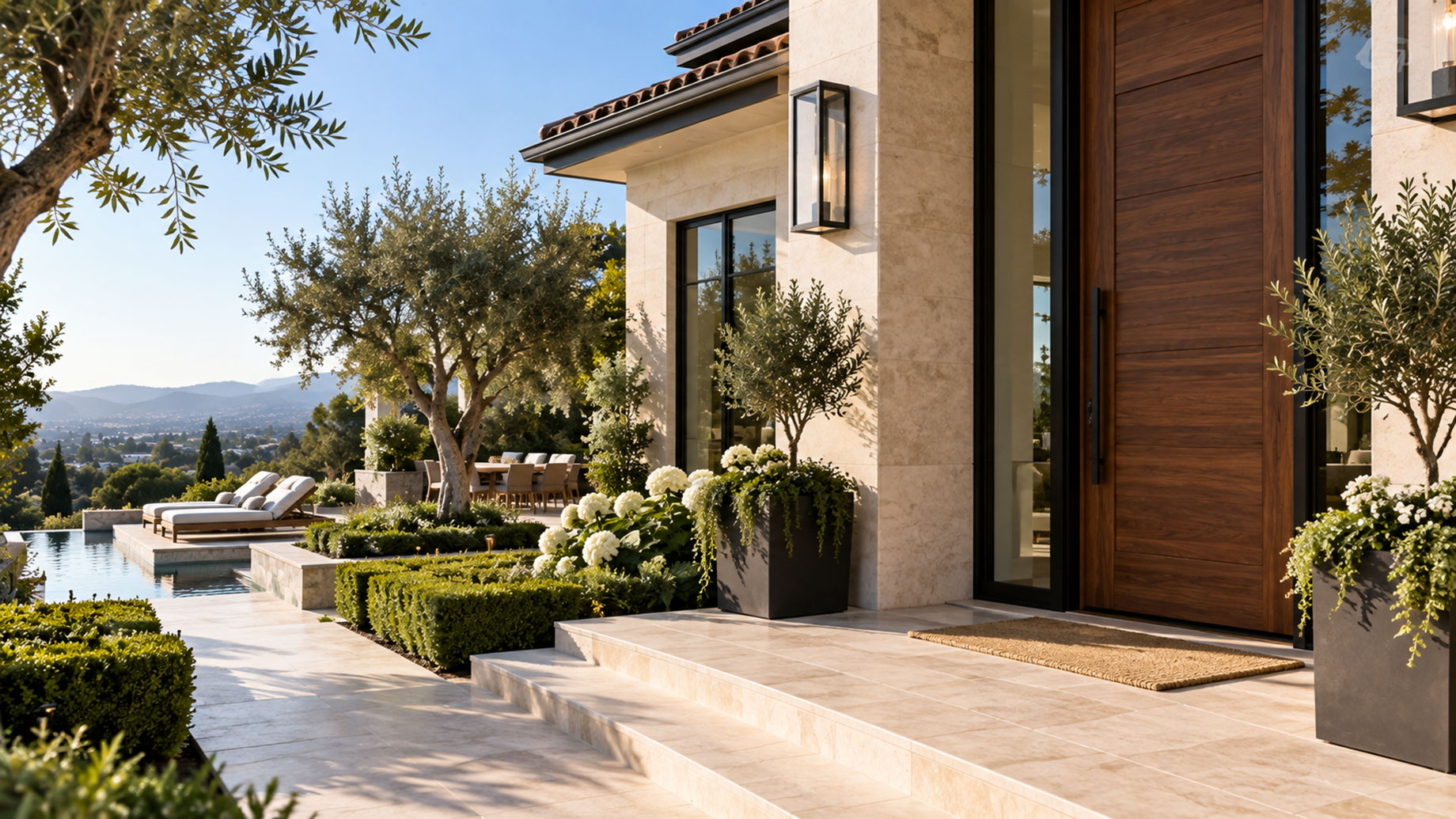
Luxury homes in Irvine, California often carry a level of craftsmanship that standard construction simply does not include. Custom cabinetry built to fit a specific kitchen layout, hardwood floors selected for their grain and finish, decorative paneling in a formal dining room, and built-ins designed around a homeowner’s exact specifications all represent significant investment beyond the structural wood most termite discussions focus on. When termites damage this kind of woodwork, the loss extends past repair cost into something harder to replace: matching a discontinued wood finish or recreating a custom built-in is rarely as simple as patching a section of drywall.
Why Custom Woodwork Carries Different Stakes Than Standard Framing
Structural framing damage is a safety and integrity concern first, with cosmetic consequences second. Custom woodwork inverts that priority in a meaningful way. A termite-damaged section of decorative paneling or a built-in bookshelf may not threaten the structure of the home at all, yet the cost of replacing it, especially when it was custom milled or finished to match surrounding features, can rival or exceed the cost of standard structural repair. That reality changes how luxury homeowners should think about termite risk, since the financial exposure is not limited to the parts of the house that hold the roof up.
This distinction also affects how damage typically gets discovered. Custom woodwork tends to receive more visual attention than a garage stud wall, which means damage is sometimes caught earlier. At the same time, decorative finishes can also mask early warning signs that would be obvious on unfinished wood, since a thick coat of stain or a painted surface can conceal the early stages of termite activity longer than raw framing would.
The Wood Features Most Exposed to Termite Risk in Luxury Homes
Certain features common in high-end Irvine properties carry disproportionate termite exposure simply because of their materials and placement. Outdoor structures such as pergolas, custom decks, and wood fencing sit in direct contact with soil and weather, making them a frequent entry point even when the main structure remains untouched. Extensive landscaping, while visually appealing, often places mulch, wood borders, and irrigation lines close to the foundation, creating exactly the kind of moist, wood-adjacent environment termites are drawn to.
Indoors, built-ins and cabinetry installed against exterior walls or over concrete slabs can conceal termite access points behind finished surfaces that homeowners rarely look behind during normal use. Hardwood flooring installed directly over a wood subfloor adds another layer of exposure, since damage can spread beneath the visible surface for a considerable time before a soft spot or discoloration becomes noticeable. None of these features are unusual for a luxury property, but together they represent a wider range of vulnerable wood than a standard home typically contains.
Moisture Control Strategies That Protect High-Value Wood
Moisture is the single factor most consistently linked to termite activity, and luxury properties often have more of it near vulnerable wood than owners realize. Irrigation systems designed for elaborate landscaping can inadvertently keep soil consistently damp near a foundation or near wood landscape features. Gutters and downspouts that do not direct water sufficiently away from the house can create the same effect along exterior walls close to custom trim or siding.
Addressing this starts with adjusting irrigation schedules and sprinkler placement so water is not consistently pooling near foundation walls or wood structures. Regrading soil that slopes toward the house rather than away from it, and maintaining a gap between mulch beds and any wood siding or trim, further reduces the moisture conditions termites rely on. For homeowners managing these details across a large property, working with a service such as Pest Control Irvine can help identify moisture issues that are not obvious from a casual walk around the yard, particularly in areas where landscaping design and termite prevention pull in different directions.
Inspecting Exterior Wood, Rarely Used Rooms, and Landscaped Areas
A consistent inspection routine matters more for luxury properties than the size of the investment alone might suggest, simply because larger homes have more square footage where early damage can go unnoticed. A few areas deserve particular attention:
- Exterior wood trim, fascia boards, and any wood-framed outdoor structures for soft spots or visible mud tubes
- Rarely used guest rooms, formal spaces, or seasonal wings where damage could progress for months before anyone notices
- Wood elements near foundation walls, including siding, trim, and structural wood in crawl spaces
- Landscaped beds, wood borders, and irrigation lines positioned close to the home’s perimeter
Rooms that see daily use tend to reveal problems quickly, since residents notice a sticking door or an odd sound underfoot. Formal living rooms, guest suites, or wings of a large home used only occasionally do not offer that same built-in monitoring, which makes scheduled inspection far more important in those areas than in the parts of the house occupied every day.
Why Regular Monitoring Protects Both Appearance and Property Value
Termite damage to custom woodwork rarely announces itself the way structural damage does. A sagging beam is hard to miss, but a termite-affected section of custom cabinetry might only show a slight discoloration or a barely perceptible change in how a drawer fits, details that are easy to overlook without deliberate attention. By the time damage becomes visually obvious in finished woodwork, the colony behind it has often been active for a considerable period.
Property value adds another dimension to this concern. Buyers evaluating a luxury home pay close attention to the condition of custom features, and evidence of termite damage, even damage that has already been repaired, can affect both appraisal and buyer confidence. Consequently, monitoring is not only about avoiding repair costs but also about protecting the long-term value that custom woodwork was meant to add to the property in the first place.
Protecting the Long-Term Value of a Custom Home
Reducing termite risk around custom woodwork in an Irvine luxury home comes down to recognizing that these features carry a different kind of exposure than standard construction. Moisture control, targeted inspection of exterior wood and rarely used spaces, and attention to how landscaping interacts with the foundation all address the conditions that allow termite activity to take hold near valuable wood features. Homeowners who build these checks into a regular routine, rather than waiting for visible damage to prompt action, are far better positioned to protect both the appearance and the underlying value of the craftsmanship their home was built around.
