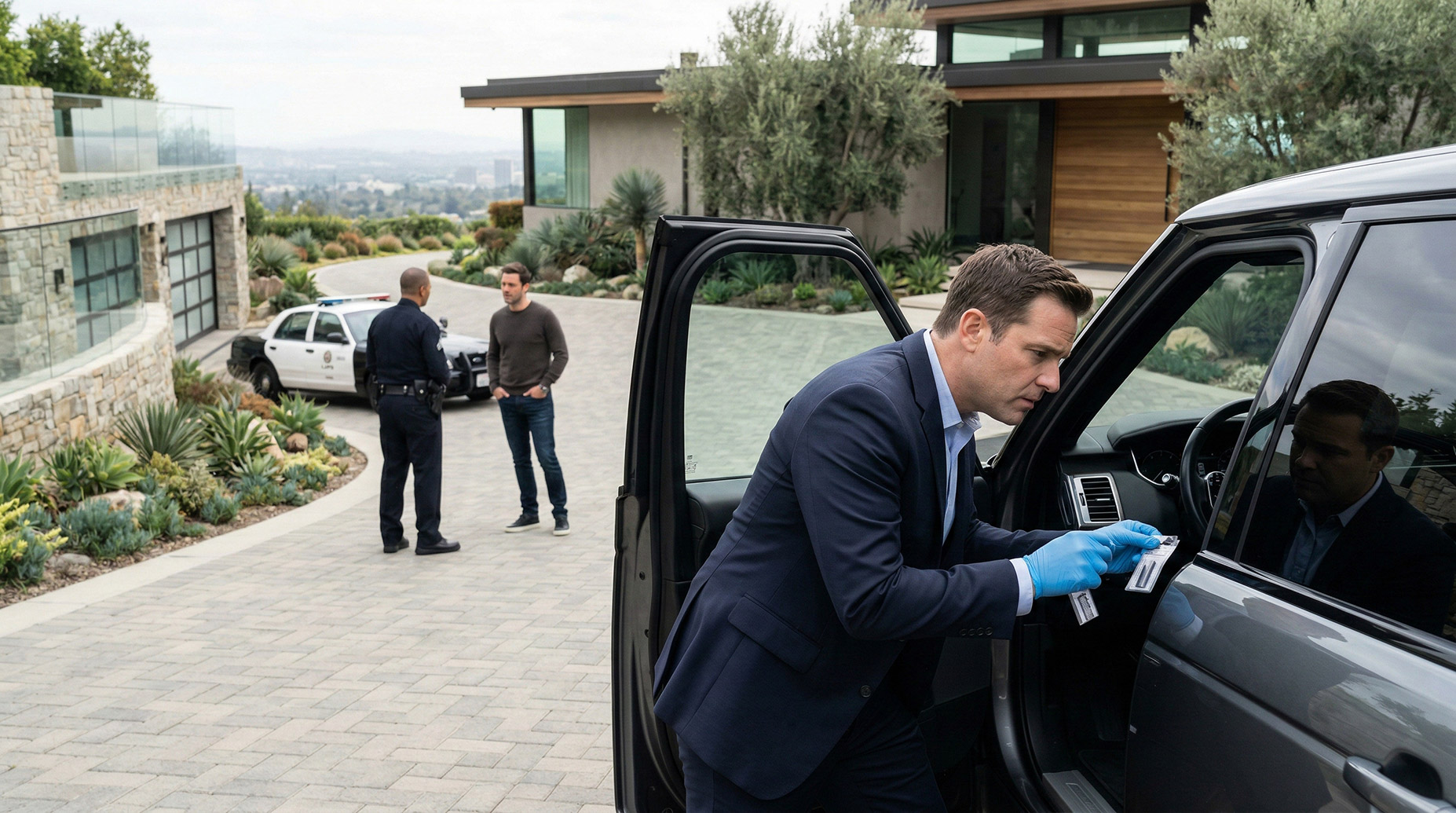
Gun cases in Los Angeles can feel like stepping onto a trapdoor. One moment it’s a routine interaction. The next, it’s “felony,” “mandatory minimum,” “firearm enhancement,” “loss of rights.” People don’t always realize how many different facts can change the entire direction of a case.
Was the firearm loaded? Where was it located? Was it accessible? Was it registered properly? Was there a prior record? Was there any other alleged offense in the mix? These questions aren’t trivia. They’re the steering wheel.
Why LA gun cases escalate so quickly
California gun laws are strict, and LA enforcement tends to be aggressive when a firearm appears alongside anything else. Even something that started as a traffic stop can turn into a major criminal file if officers believe there’s a violation.
A few common escalation triggers:
- Firearm found with alleged drugs
- Firearm found near a prohibited location
- Prior conviction or restraining order issues
- Alleged gang enhancement factors
- “Constructive possession” arguments in shared vehicles or homes
And sometimes the case isn’t even about the firearm itself. It’s about what the firearm supposedly suggests. Intent. Threat. Danger. That kind of framing can harden quickly.
Possession is not always possession
Here’s a thing people don’t love hearing: being near a firearm can become “possession” in the prosecution’s narrative. The law looks at control and knowledge, not just who physically held something.
That’s why shared-space scenarios get tricky:
- A gun in a glovebox when multiple people use the car
- A firearm in a home with roommates or family
- A bag left behind at a friend’s place
So what matters? Who had access, who knew, where it was stored, and what evidence ties it to a specific person.
Enhancements and “stacking” penalties
Gun charges can come with enhancements that multiply exposure. Add an allegation of another crime, even if it’s contested, and the case can become a different animal.
It’s also common for prosecutors to charge multiple counts and then negotiate from that higher starting point. It creates leverage. It also creates fear. Fear makes people rush into decisions.
The defense often starts with the stop and the search
Gun cases frequently originate with an encounter: a stop, a search, a “consent” request, a pat-down. The legality of that moment matters.
Was there reasonable suspicion for the stop? Was the search justified? Was there a lawful basis for a pat-down? Was consent pressured or coerced? Did questioning continue after someone invoked rights?
If the initial contact was unlawful, the evidence can become vulnerable. And that’s not some mythical loophole. It’s the system enforcing its own rules.
The quiet consequence: permanent loss of gun rights
A conviction can lead to long-term or permanent restrictions on firearm ownership and possession. For people who grew up around responsible gun ownership, or who work in security-adjacent fields, that consequence can feel like losing a part of identity. It can also affect employment in subtle ways.
If firearm storage and responsibility is part of someone’s life, it’s worth understanding how security practices reduce risk and prevent misunderstandings, including why secure storage gets emphasized so heavily. For a practical read that doesn’t preach, this overview of why a locked safe matters in a household lays out the basics in plain terms.
What to do when the charge hits
A few practical steps matter early:
- Don’t try to “explain” the firearm situation in the moment.
- Don’t assume officers will “note cooperation” and let it slide.
- Document where the firearm was located and who had access.
- Preserve messages, receipts, or purchase documentation if relevant.
- Identify witnesses who can speak to ownership and access.
And for people looking for help with gun charges should contact a good Los Angeles gun crime lawyer to learn their rights.
Because gun cases in LA don’t reward improvisation. They reward clarity. Facts. Strategy. And patience, even when everything feels like it’s moving too fast.
